
Workplace safety and health (WSH) principles are crucial for creating a safe, productive, and efficient environment, especially in industries like the metalworking industry. These principles focus on minimizing risks and ensuring that safety remains a priority for all workers, reducing accidents and boosting productivity.
Implementing effective WSH practices in the metalworking industry is vital due to the inherent hazards, such as cutting, welding, and machining metals. These practices prevent injuries and promote a safety-first culture, leading to better business outcomes, like increased productivity and improved employee satisfaction.
Management commitment is essential for success. When leadership prioritizes safety, it sets an example for the entire company. Managers should support safety initiatives, invest in training, and ensure resources are available to maintain safe conditions.
Compliance with safety regulations is a must. Following these rules ensures that workplaces meet safety standards and avoid legal issues. In the metalworking industry, hazards like sharp tools, heavy machinery, and high temperatures are common, so compliance is crucial.
Risk management is vital in the metalworking industry. Identifying hazards, assessing risks, and implementing control measures reduce potential harm. Risks such as machine malfunctions, chemical exposure, and ergonomic issues are all addressed through effective management processes.
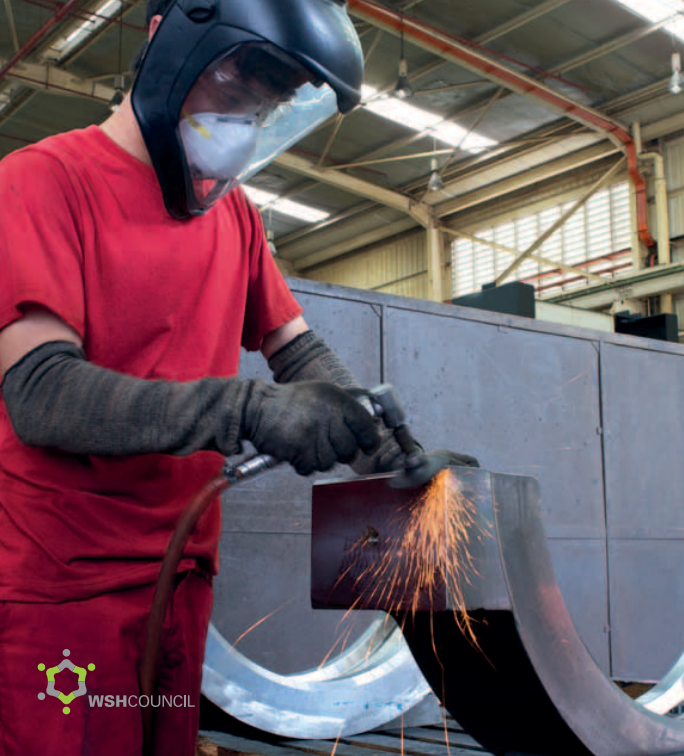
Training and competency are key. Workers must understand machine operation, PPE use, and safety protocols. Proper training ensures that everyone can work safely in the metalworking industry.
Clear communication reinforces safety. Consistently delivering safety messages from management to workers helps maintain a culture of safety. This can be done through regular meetings, clear signage, and written safety guidelines.
Operational practices, like equipment maintenance, proper storage, and safety devices on machines, are essential for maintaining workplace safety. These practices reduce accidents and keep workers safe.
Measuring safety performance is critical. Using key metrics to assess safety measures helps improve procedures. Regular audits, feedback, and incident analysis lead to ongoing safety improvements.
Building risk management capability strengthens the ability to identify and mitigate hazards. This includes continuous training and the development of systems that enhance safety standards.
By focusing on these aspects of WSH in the metalworking industry, companies create safer workplaces. This improves both employee well-being and overall business performance.