Code of Practice for Working Safely at Heights

Categories: 

Module 1: Introduction

  • Scope, purpose, and terms and definitions related to fall prevention.

Module 2: Fall Prevention Plan

  • Principles, coverage, and essential components of a fall prevention plan, including policies, responsibilities, and risk management.

Module 3: Components of a Fall Prevention Plan

  • Key elements: Policy, risk management, safe work procedures, PPE usage, training, inspections, accident investigations, and emergency response.

Module 4: Permit-to-Work System

  • Principles, requirements, scope, and implementation of the permit-to-work system.

Module 5: Fall Control Measures

  • Access and egress risk assessment, safety considerations for roof access, and access to top of vehicles/containers.

Module 6: Fall Prevention Systems

  • Types of systems: edge protection, guard-railing, scaffolds, mobile elevated work platforms, suspended scaffolds, mast climbing work platforms.

Module 7: Anchorage, Lifelines, and Restraint Systems

  • Application and requirements for anchorage, lifelines, lifeline devices, travel restraint systems, and personal fall arrest systems.

Module 8: Safety Guidelines for Equipment and Rooftop Work

  • Guidelines for using ladders, step platforms, and safety considerations for working on rooftops and fragile roofs.

  • Introduction to fall prevention, outlining its scope, purpose, and key terms and definitions related to fall hazards and prevention strategies.
  • Overview of a Fall Prevention Plan, focusing on its principles, coverage, and the essential components required for effective fall prevention.
  • Key components of a Fall Prevention Plan, including policy development, assigning responsibilities, risk management, control measures, safe work procedures, personal protective equipment use, inspection and maintenance, training, accident investigation, and emergency response.
  • Importance of a permit-to-work system in fall prevention, detailing the principles, requirements, scope, and implementation of this safety measure.
  • Risk assessment and safety considerations for access to and egress from work areas, including roof access and access to the tops of vehicles and containers.
  • Types of fall prevention systems, such as edge protection, guard-railing, scaffolds, mobile elevated work platforms, and suspended scaffolds, to minimize fall risks.
  • Use of anchorage points and lifelines, including their application, installation, and the role of lifeline devices in ensuring worker safety.
  • Implementation of travel restraint systems to prevent workers from falling while allowing safe movement in elevated areas.
  • Understanding personal fall arrest systems, including their fundamentals, limitations, hazards, training requirements, and rescue procedures for workers using these systems.
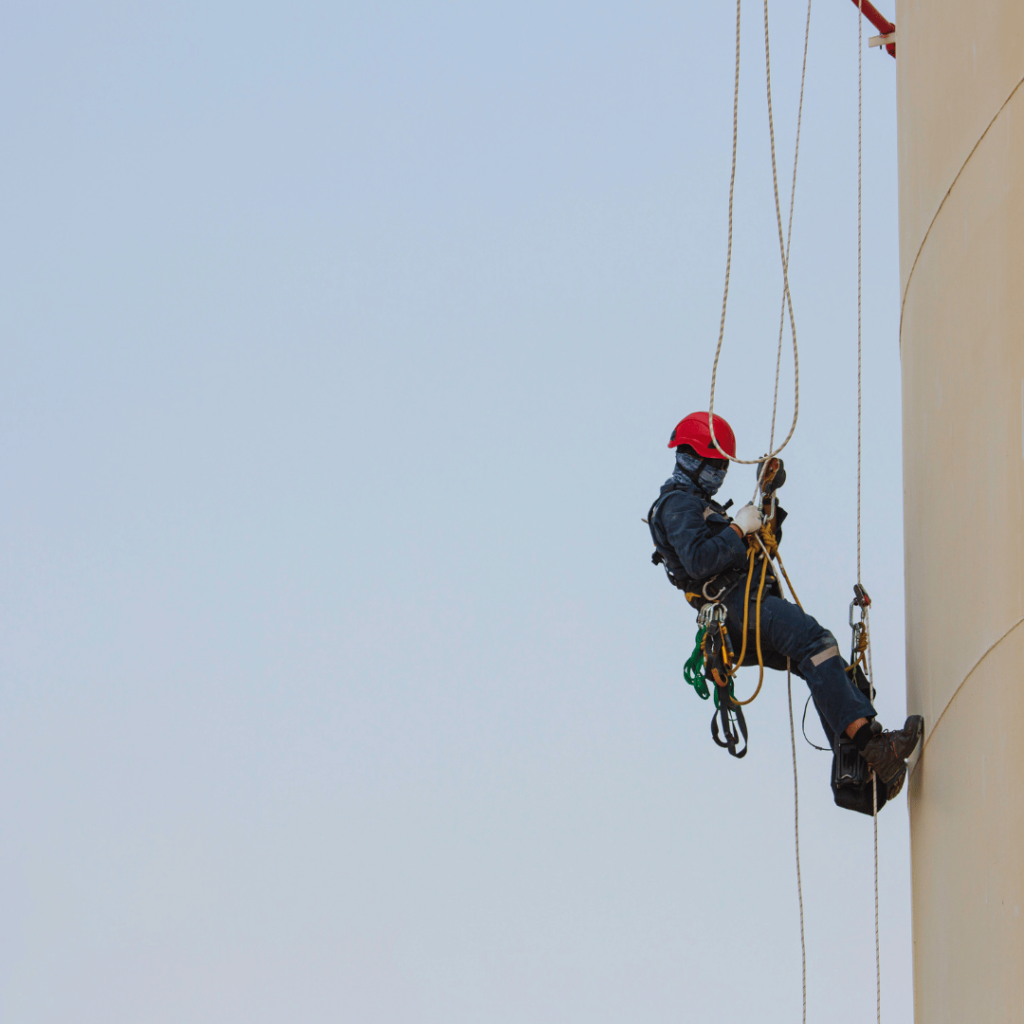
  • Safety considerations for work positioning systems, such as work positioning belts and industrial rope access systems, to support workers at heights.
  • Guidelines for using ladders and step platforms safely, covering portable and fixed ladders to prevent falls during elevation.
  • Hazards associated with working on rooftops, including safety precautions for pitched roofs and fragile roof surfaces to minimize fall risks.