
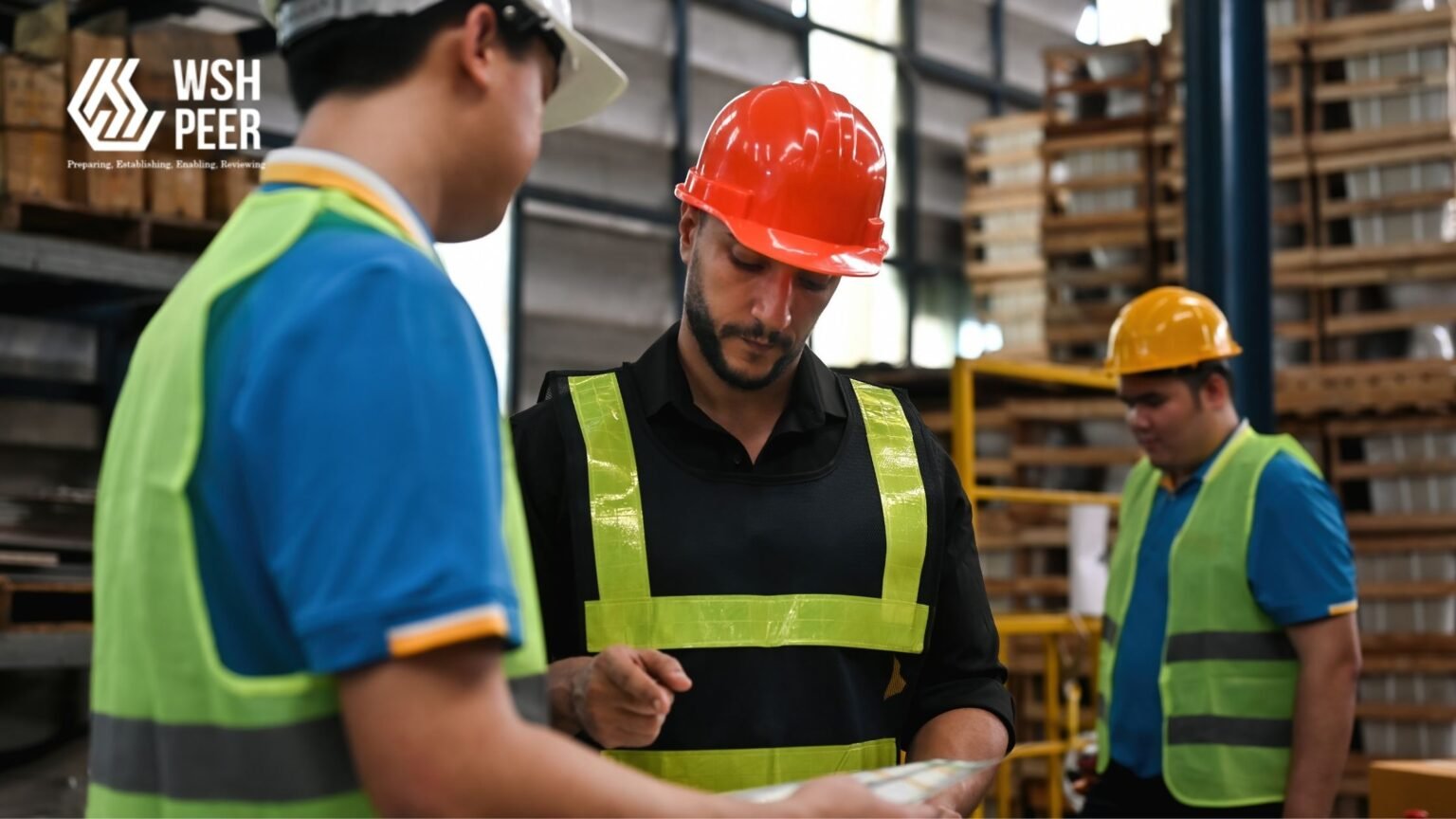
Workplace inspections are one of the most common safety practices across industries. Yet despite frequent inspections, incidents still occur.
Why?
In many cases, inspections are performed routinely but not always effectively. Inspectors may focus only on obvious hazards while overlooking underlying risks. Findings may be recorded, but corrective actions may not address root causes.
As a result, inspections become a compliance activity instead of a risk prevention tool.
This is where safety inspection training becomes essential.
The Hidden Gap in Workplace Inspections
Even when organisations conduct regular inspections, several gaps often appear.
1. Limited Hazard Identification Skills
Some hazards are easy to identify. Others require deeper understanding of workplace risks, human factors, and operational processes.
Without proper training, inspectors may miss critical warning signs.
2. Weak Root Cause Analysis
Many inspection findings only address symptoms.
For example:
- Oil spill cleaned, but source not investigated
- Broken guard replaced, but maintenance issue ignored
Without root cause analysis, the same hazards may reappear repeatedly.
3. Lack of Structured Inspection Methodology
Effective inspections require a systematic approach.
Inspectors need to know:
- What to observe
- How to assess risk levels
- How to prioritise corrective actions
Training helps inspectors apply consistent standards across the organisation.
How Safety Inspection Training Strengthens Risk Management
Proper safety inspection training equips HSE teams with the skills needed to conduct meaningful inspections.
1. Better Hazard Identification
Training improves the ability to recognize both obvious and hidden risks.
Inspectors learn how to evaluate equipment, processes, and human behaviour more effectively.
2. Stronger Risk Assessment
Participants learn how to assess risk severity and likelihood, allowing organisations to prioritize high-risk issues first.
3. More Effective Corrective Actions
Training helps inspectors understand how to recommend solutions that address root causes instead of temporary fixes.
This ensures inspections lead to real safety improvements.
Combining Training with Digital Inspection Tools
To achieve the best results, organisations often combine competency development with digital technology.
Digital inspection platforms help teams record and track findings efficiently.
If you’re interested in how technology can transform inspection processes, you may also read our related article:
“Digital Safety Inspection: The Future of Workplace Safety in Singapore.”
This article explains how digital systems help organisations track inspection findings and improve safety visibility.
When training and digital tools work together, organisations gain both capability and efficiency.
Curious for more insights? Why Construction Safety Training Must Be Digitized in High-Risk Projects
Building a Stronger Safety Culture Through Training
In Singapore’s safety landscape, organisations are expected to maintain high workplace safety standards. Training plays a critical role in achieving this.
By investing in safety inspection training, organisations can:
- Improve hazard detection
- Strengthen risk control
- Reduce repeat incidents
- Enhance safety leadership
Most importantly, inspections shift from routine activities to proactive risk prevention tools.
Develop Inspection Competency with PEER Training
If your organisation wants to improve the effectiveness of workplace inspections, strengthening inspector competency is a critical step.
PEER Training programs help safety professionals:
✔ Improve hazard identification skills
✔ Conduct structured workplace inspections
✔ Apply risk assessment methods effectively
✔ Turn inspection findings into meaningful safety improvements
Equip your HSE team with the knowledge and skills needed to conduct impactful safety inspections.
