

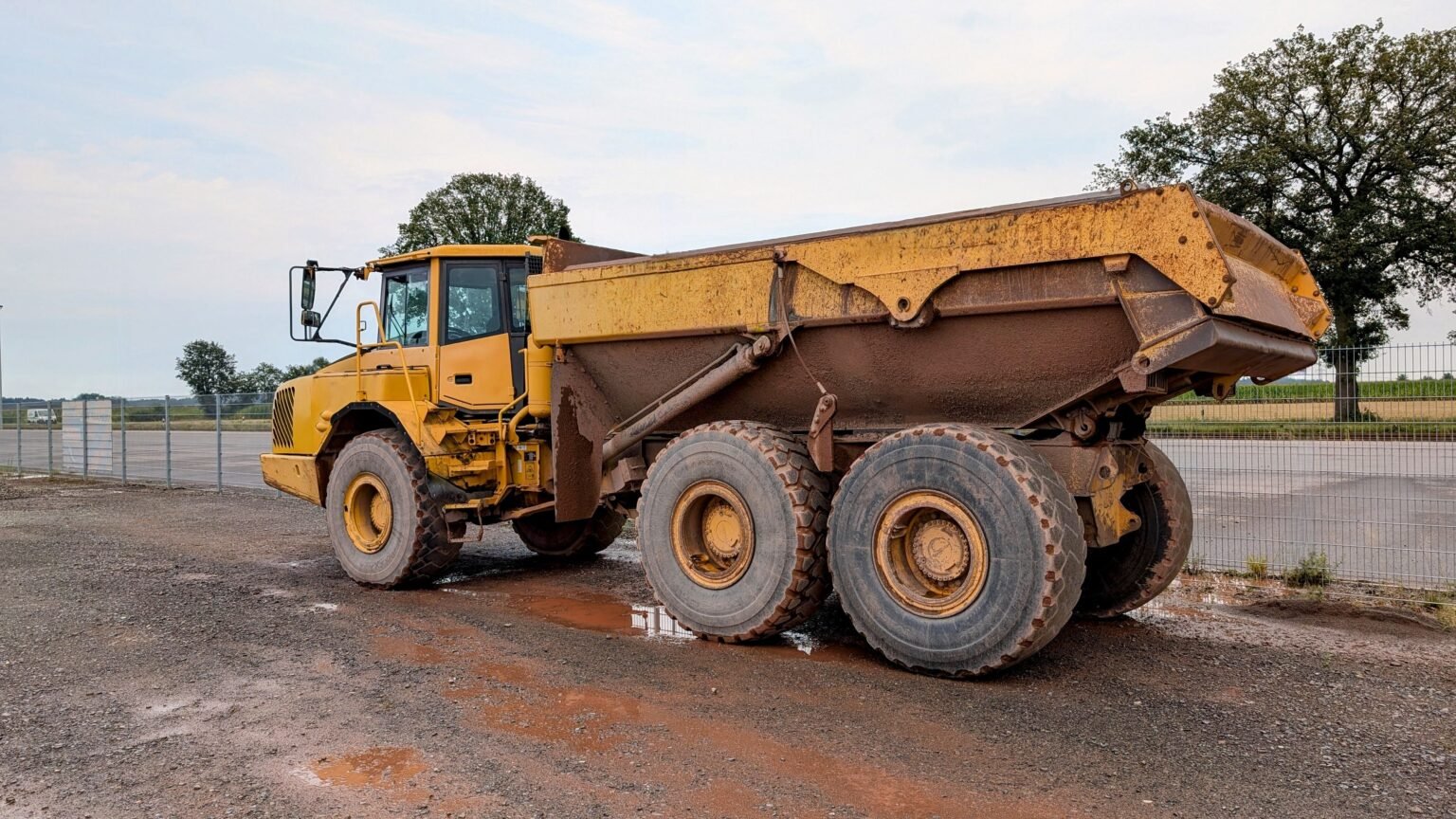
Vehicle rollaway prevention is one of the two topics MOM put at the centre of its safety time-out in October 2026. On 5 October, after a spate of workplace deaths since September, MOM called on construction, transport, and storage firms to hold a voluntary Safety Time-Out from 5 to 18 October, with particular focus on the safe use of concrete pumps and on measures that stop vehicles rolling away. MOM’s guidance was practical: make sure handbrakes are engaged before drivers leave their vehicles, and use wheel chocks where appropriate.
This guide turns that guidance into something a supervisor can use tomorrow morning: a five-minute toolbox talk script, a checklist, and a short quiz.
In this guide: What MOM asked for · Why vehicles roll · 5-minute talk script · Checklist · Quick quiz · FAQs
Key takeaways
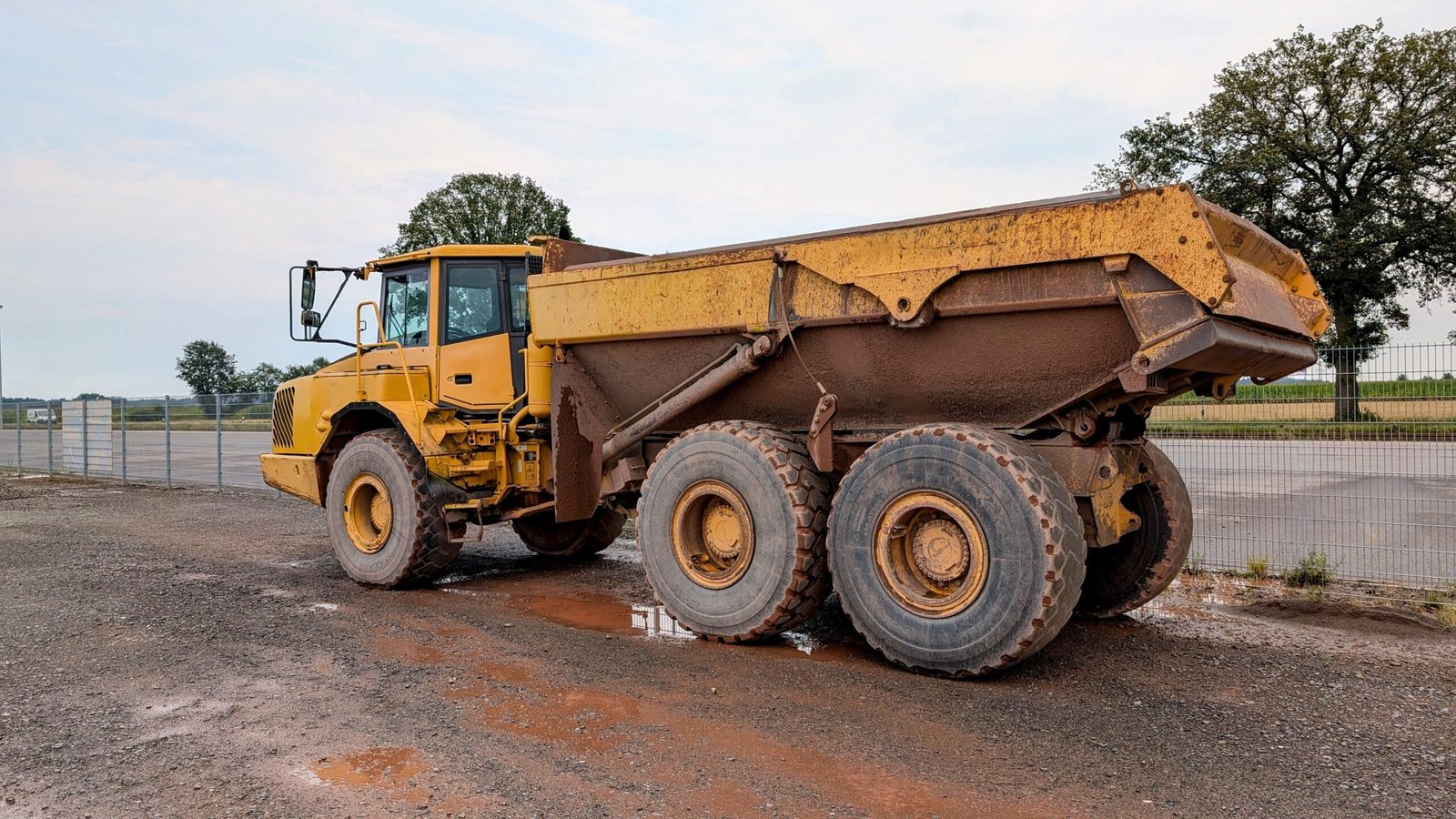
What MOM Asked For on Vehicle Rollaway Prevention
According to reports of MOM’s 5 October announcement, the ministry urged firms to use the Safety Time-Out to review work procedures, strengthen risk controls, and address safety gaps. It also announced enhanced enforcement measures for both industries for one month ending on 4 November: a higher composition fine for first-time offences, a longer minimum stop-work order, and a three-month debarment from hiring new migrant workers in egregious cases. Check MOM’s website for the current position, since these measures were time-limited.
The details are in the AsiaOne report of MOM’s announcement.
Why Vehicles Roll Away
Vehicle rollaway prevention starts with understanding why it happens. Rollaways usually come from a small lapse at a bad moment. Common causes include:
- The handbrake was not applied before the driver got out
- Parking on a slope or soft, uneven ground
- No chocks during loading, unloading, or maintenance
- A brake fault that was not reported or fixed
- A driver stepping out “just for a moment” with the vehicle still in gear or the engine running
The common thread is habit. The vehicle was left unsecured because it felt quick and low risk, and the consequences of that shortcut can be severe for anyone in the vehicle’s path.
A 5-Minute Vehicle Rollaway Prevention Toolbox Talk Script
Adapt the wording to your site and your vehicles. Keep it conversational.
- Open (30 seconds). “Today we are talking about vehicles that move when nobody is driving them. MOM has asked all of us to take this seriously.”
- Why it matters (1 minute). “A vehicle that rolls can hit people, equipment, or other vehicles in seconds. Most rollaways start with a small habit we skip when we are rushed.”
- The rules (2 minutes). “Handbrake on before you leave the cab. Park on level ground where you can. Use chocks on slopes and during loading and unloading. Report any brake problem before the vehicle goes back to work. Nobody stands in the path of a parked vehicle.”
- Ask (1 minute). “Where on this site are the places a vehicle could roll? Who has seen someone leave a vehicle without the handbrake on?”
- Close (30 seconds). “If you see a vehicle left unsecured, stop and tell the supervisor. That is not nagging. That is looking after each other.”
Record the talk, the topic, and who attended. If you need a refresher on running these sessions, read what a toolbox meeting is.
Vehicle Rollaway Prevention Checklist
| Check | What good looks like |
|---|---|
| Parking position | Level, firm ground where possible; marked parking areas |
| Handbrake | Applied before the driver leaves the cab, every time |
| Gear and engine | Vehicle secured as the manufacturer and site rules require |
| Wheel chocks | Used where appropriate, such as slopes and during loading or unloading |
| Brake condition | Faults reported and fixed before the vehicle returns to work |
| People and path | Nobody working or standing in the path of a parked vehicle |
| Supervision | Spot checks and a way to report unsecured vehicles |
Quick Quiz: Vehicle Rollaway Prevention in Practice
Decide what you would do, then click to compare.
1. A driver gets out to chat with the loader, leaving the engine running and the truck on a slight slope. What do you do?
Ask him to secure the vehicle first: handbrake on, chocks if needed, and follow site rules on engine and gear. A slight slope is still a slope.
2. A driver says the handbrake “feels a bit soft” but he is only moving the truck a short distance. Can he proceed?
No. A brake fault is reported and fixed before the vehicle works. Short distances still end in the same place if it rolls.
3. There are no chocks at the unloading bay. What now?
Pause unloading and get chocks. Where they should be used, they should be available. Add them to the bay checklist.
Supervisors: Making Vehicle Rollaway Prevention Stick
- Walk the site. Look for vehicles parked on slopes or without chocks.
- Recognise good habits as well as correcting bad ones.
- Treat near misses as lessons. A vehicle that moved a little is a warning, so investigate it.
- Repeat the talk. One session fades fast. Come back to it weekly while attention is high.
Records to Keep
Keep the date, talk topic, leader, and attendance for each session, plus any actions raised. For induction content that includes vehicle rules, see our guide to safety induction training, and to learn from incidents properly, read about root cause analysis training.
Vehicle Rollaway Prevention FAQs
What is vehicle rollaway prevention?
The practices that stop a parked vehicle from moving on its own, such as applying the handbrake, parking on suitable ground, and using wheel chocks where appropriate.
Why did MOM focus on vehicle rollaway prevention?
MOM called for a Safety Time-Out in construction, transport, and storage after recent fatalities, with a particular focus on concrete pump safety and measures that stop vehicles rolling away.
When should wheel chocks be used?
Where appropriate, such as on slopes and during loading, unloading, or maintenance. Your risk assessment and site rules decide the specifics.
How often should vehicle rollaway prevention be covered in toolbox talks?
Often enough that it becomes habit. Many sites cover it weekly during high-risk periods and repeat it after any near miss.
Next Steps
Use the script at your next toolbox meeting and add the checklist to your daily vehicle checks. Read what a toolbox meeting is for a refresher on running short briefings, and review MOM’s announcement as reported by AsiaOne.
