


Construction Safety Inspection in Singapore: How to Reduce Risks and Improve Compliance
In Singapore’s highly regulated construction industry, safety inspections are not just a routine, they are a critical line of defense against workplace incidents.
Yet, many companies still rely on manual inspection processes: paper-based checklists, scattered documentation, and delayed reporting.
At first glance, this may seem manageable. But in reality, manual inspections often create blind spots:
- Delayed identification of hazards
- Inconsistent reporting across sites
- Missed follow-ups on critical findings
In a fast-paced construction environment, even a small delay can lead to serious consequences project delays, regulatory penalties, or worse, workplace accidents.
So the real question is: Can your current inspection system keep up with the complexity of modern construction projects in Singapore?
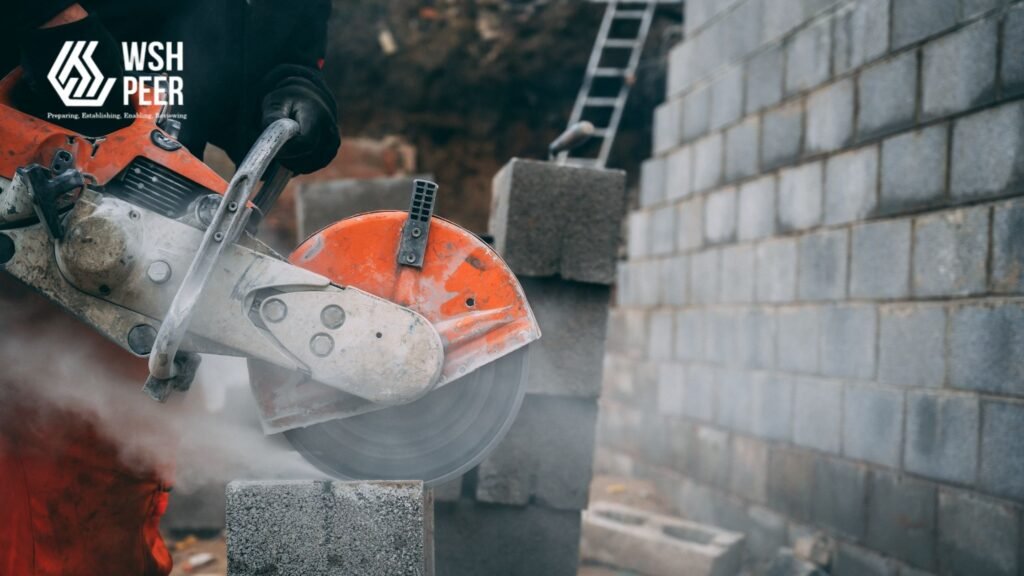
Challenges in Construction Safety Inspections
Complex Work Environments and High-Risk Activities
Construction sites in Singapore involve multiple contractors, dynamic workflows, and high-risk activities such as working at height, heavy lifting, and confined space operations.
Ensuring safety across all these variables requires more than just periodic inspections, it requires consistent, real-time visibility.
However, common challenges still persist:
- Lack of standardisation in inspection processes
- Difficulty tracking corrective actions across multiple teams
- Limited visibility for management into site-level safety performance
Regulatory Pressure and Compliance Requirements
The Ministry of Manpower (MOM) enforces strict Workplace Safety and Health (WSH) regulations. Non-compliance can result in fines, stop-work orders, or reputational damage.
To stay compliant, companies must ensure:
- Proper documentation of inspections
- Timely closure of safety findings
- Readiness for audits at any time
Manual systems make this significantly harder, especially when data is fragmented or outdated.
Why Digital Inspection is the Game Changer
1. Real-Time Monitoring Across Sites
Digital inspection systems allow safety teams to monitor multiple construction sites in real time. This ensures that hazards are identified and addressed immediately—without waiting for manual reports.
2. Standardised and Structured Inspections
With pre-built templates aligned with Singapore’s safety standards, inspections become more consistent and reliable across different projects and teams.
3. Faster and Automated Reporting
Instead of spending hours compiling reports, digital platforms automatically generate inspection reports. This reduces administrative burden and improves accuracy.
4. Better Tracking of Corrective Actions
One of the biggest gaps in manual inspections is follow-up. Digital systems provide clear tracking of findings, assigned responsibilities, and deadlines—ensuring nothing falls through the cracks.
5. Audit-Ready Data Anytime
All inspection data is stored centrally and can be accessed instantly. This makes it easier to prepare for audits and demonstrate compliance with MOM regulations.
How PEER Training Supports Construction Safety Excellence
Practical Training for Real-World Application
PEER Training is designed specifically for construction professionals in Singapore.
The program focuses on:
- Conducting effective digital safety inspections
- Understanding compliance requirements
- Improving hazard identification and risk assessment
Participants gain hands-on experience using digital tools, ensuring they can immediately apply what they learn on-site.
Bridging the Gap Between Knowledge and Execution
Many safety trainings focus on theory. PEER Training goes further by helping teams implement practical solutions that improve daily operations.
This means:
- Faster adoption of digital inspection systems
- Improved collaboration between safety teams and operations
- Stronger safety culture across projects
Take the Next Step Towards Safer Construction Sites
If your organisation is still relying on manual inspection processes, now is the time to rethink your approach.
Digital inspection is no longer optional, it is essential for:
- Reducing workplace risks
- Improving operational efficiency
- Ensuring compliance with Singapore regulations
Build Safer, Smarter Construction Operations
In Singapore’s construction industry, safety is non-negotiable.
By combining effective training with digital inspection tools, companies can move beyond compliance and build a proactive safety culture that protects both people and projects.
The future of construction safety is not just about doing inspections.
It’s about doing them better, faster, and smarter.