

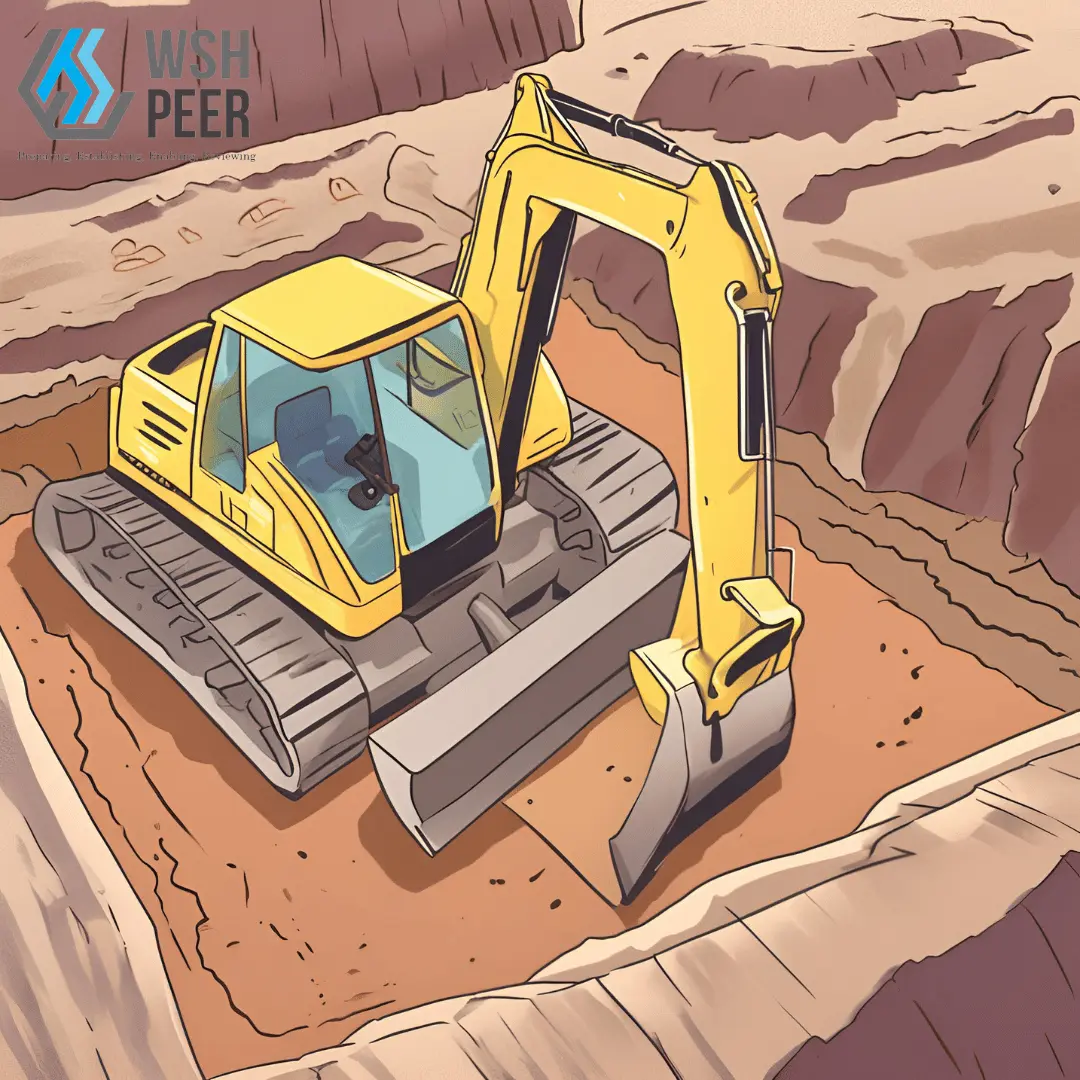
Excavation plays a crucial role in preparing the ground for building structures, roads, and other essential infrastructure. This process involves the careful removal of soil, rocks, and other materials, ensuring that the site is ready for the next phase of construction. Let’s explore what excavation entails and why it is indispensable.
What Is Excavation?
Excavation involves the removal of soil, rocks, or other materials from the ground. This process is fundamental in preparing a work site for constructing buildings, roads, and other infrastructure. Additionally, excavation can encompass activities such as mining, material handling, dredging, trenching, forestry, demolition, or drilling. It also:
- Enhances the efficiency of drainage and utility systems, minimizing the risk of water damage and erosion to the pavement above.
- Makes spaces safer and more accessible.
Types of Excavation
1. Topsoil Excavation
Before laying a foundation or installing pipelines, the top layer of soil must be removed. This initial phase involves marking the area to be excavated, known as ground tracing, to guide the process. Once marked, the topsoil is extracted to the required depth
2. Rock Excavation
In some areas, the soil contains rocks or even boulders that need to be removed before construction can commence. Heavy-duty excavators are used to remove and relocate these obstructions.
3. Footing Excavation
Foundations need footings to stabilize them, preventing the building from sinking or collapsing over time due to ground settlement, freezing, and thawing. Excavation is necessary to dig trenches for these footings
This process involves removing the spoil, which is the soil layer directly below the topsoil. The spoil, consisting of soil, dirt, and rubble, is often used to construct embankments, foundations, bridges, and ditches
5. Cut and Fill Excavation
This type of excavation involves removing the topsoil and spoil to use for creating embankments, raised land sections, and foundation filling.
Similar to footing excavation, trench excavation has broader applications.It’s employed to excavate trenches for installing pipes and sewer lines. Trenches can be shallow (less than 19 feet deep) or deep (19 feet or deeper) and must be excavated in stages to prevent collapse.
Dredging involves removing dirt, sediment, and debris from the bottoms of water bodies to ensure unobstructed navigation for boats and other vessels.
Muck, a combination of soil and water found at many construction sites, must be removed to ensure a stable foundation. It can either be relocated or spread over the ground to dry.
This involves digging large areas of soil and dirt below ground level to install basements and other underground structures
This happens when materials from another site are brought in to finish a project. It’s often used to level or fill areas that have already been excavated. Commonly borrowed materials include soil, sand, and gravel.
Safety Excavation Operation
Excavation operation safety is a crucial thing that must be considered. Of course, this is done to reduce the number of work accidents that could occur at any time. Therefore, HSSE control over these risky activities is considered very important. The following are the Safety Excavation Operation components that can be carried out at your project site
Pre-Requisites
- Letter of Appointment: Officially designate responsible personnel.
- Safe Work Procedure (SWP): Establish and follow standardized procedures for safe work practices.
- Risk Assessment: Conduct thorough assessments to identify and mitigate potential hazards.
This checklist helps ensure all necessary safety measures and documentation are in place:
- Documentation Check: Verify permits from relevant authorities, maintenance records of excavation machinery, and conduct HSSERIA (Health, Safety, Security, Environment Risk, Impact Assessment) and SWP briefings.
- Pre-Operation Checks: Inspect machinery and safety equipment, ensure proper access and egress for personnel, and manage the storage of excavated materials.
- Environmental Checks: Ensure vehicle washing facilities are available, prevent the accumulation of excavated earth, and take measures to avoid water ponding.
- Approval Process: Route the checklist for assessment and approval before attaching it to a Permit to Work (PTW).
This daily checklist ensures that both the machinery and the operating personnel meet safety standards:
- Certification Check: Verify the certification of the machinery and the operating personnel, and ensure the operator has access to the equipment manual.
- Machinery Inspection: Conduct thorough checks of the engine, hydraulic systems, traveling systems, electrical systems, limit switches, operating controls, structural components, and brakes.
- Completion: Attach the completed checklist to the PTW.
Conclusion
Excavation is a vital process in construction and development, preparing sites for buildings, roads, and infrastructure. It involves the careful removal of soil, rocks, and other materials, ensuring the ground is ready for further construction. By understanding the types of excavation—such as topsoil, rock, footing, and trench excavation—and implementing rigorous safety measures, you can mitigate risks and create a safer work environment.
Safety is paramount in excavation operations. Implementing HSSE controls, conducting risk assessments, and following Safe Work Procedures (SWPs) are essential steps to minimize accidents. Using comprehensive checklists for pre-operation, daily equipment, and environmental checks further ensures that all safety standards are met.
For enhanced workplace safety management, consider using PEER. This web-based app provides a structured approach to safety, helping you maintain compliance and protect your team throughout the excavation process. By integrating PEER into your safety protocols, you can ensure a more secure and efficient worksite.
