

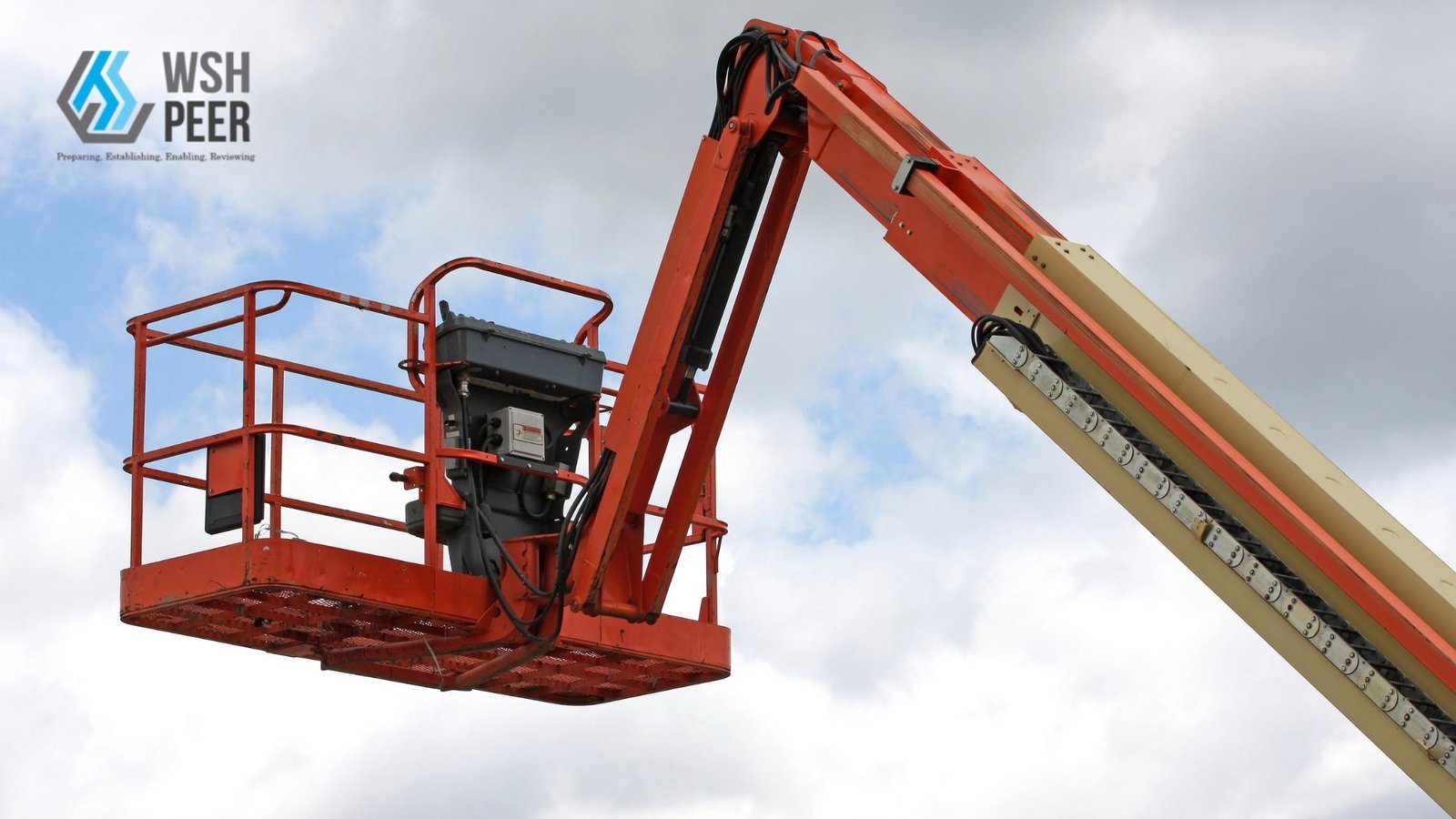

Daily Boom Lift & Scissor Lift Checklist: A Practical Guide for Safer Operations in Singapore Worksites
Why Daily Checks Still Fail on Site
In many Singapore worksites, daily inspections for boom lifts and scissor lifts are already part of standard operating procedures. Teams complete checklists before operations begin, supervisors sign off, and everything appears compliant.
Yet, incidents related to elevated work platforms (EWPs) still occur.
This raises a critical question:
If inspections are already being done daily, why do risks still slip through?
The answer often lies not in whether inspections are performed but how they are performed.
The Gap Between Checklist and Real Risk
From our experience working with safety teams, we often observe that daily EWP inspections become routine tasks rather than risk-driven processes.
Here are common gaps found in boom lift and scissor lift inspections:
1. Static Checklists in Dynamic Environments
Worksites in Singapore are highly dynamic, weather conditions, terrain, and operational demands change daily. However, many teams rely on static checklists that do not adapt to these changes.
2.Visual Checks Without Context
Operators may check components like guardrails, tires, or controls—but without fully understanding how small irregularities could escalate into serious hazards.
3.Lack of Real-Time Reporting
Issues identified during inspections are often recorded manually and reported later. This delay can result in unsafe equipment being used before corrective action is taken.
4.Inconsistent Inspection Quality
Different operators may interpret checklist items differently, leading to inconsistent inspection standards across teams.
5.No Data-Driven Insight
Daily checklists are completed but rarely analyzed. This means recurring issues are not identified early, and preventive action is limited.
Turning Daily Inspections into a Safety Advantage
When done right, daily boom lift and scissor lift inspections can be more than just a compliance requirement, they can become a powerful tool for operational safety and efficiency.
A well-structured inspection process should enable teams to:
- Detect risks before they escalate into incidents
- Standardize inspection quality across operators
- Provide real-time visibility to supervisors and management
- Identify recurring issues through data trends
- Improve decision-making on equipment usage and maintenance
In Singapore’s highly regulated environment, companies that move beyond manual checklists and adopt structured, digital inspection systems gain a clear advantage—not just in compliance, but in operational performance.
Access a Ready-to-Use Daily Checklist
If your team is looking to improve the effectiveness of daily boom lift and scissor lift inspections, the first step is having a structured and practical checklist that aligns with real site conditions.
Explore a comprehensive and ready-to-use checklist here:
👉 /en/project/daily-boom-lift-scissors-lift-checklist/
This checklist is designed to help your team move beyond routine checks and start identifying real risks before they impact your operations.