

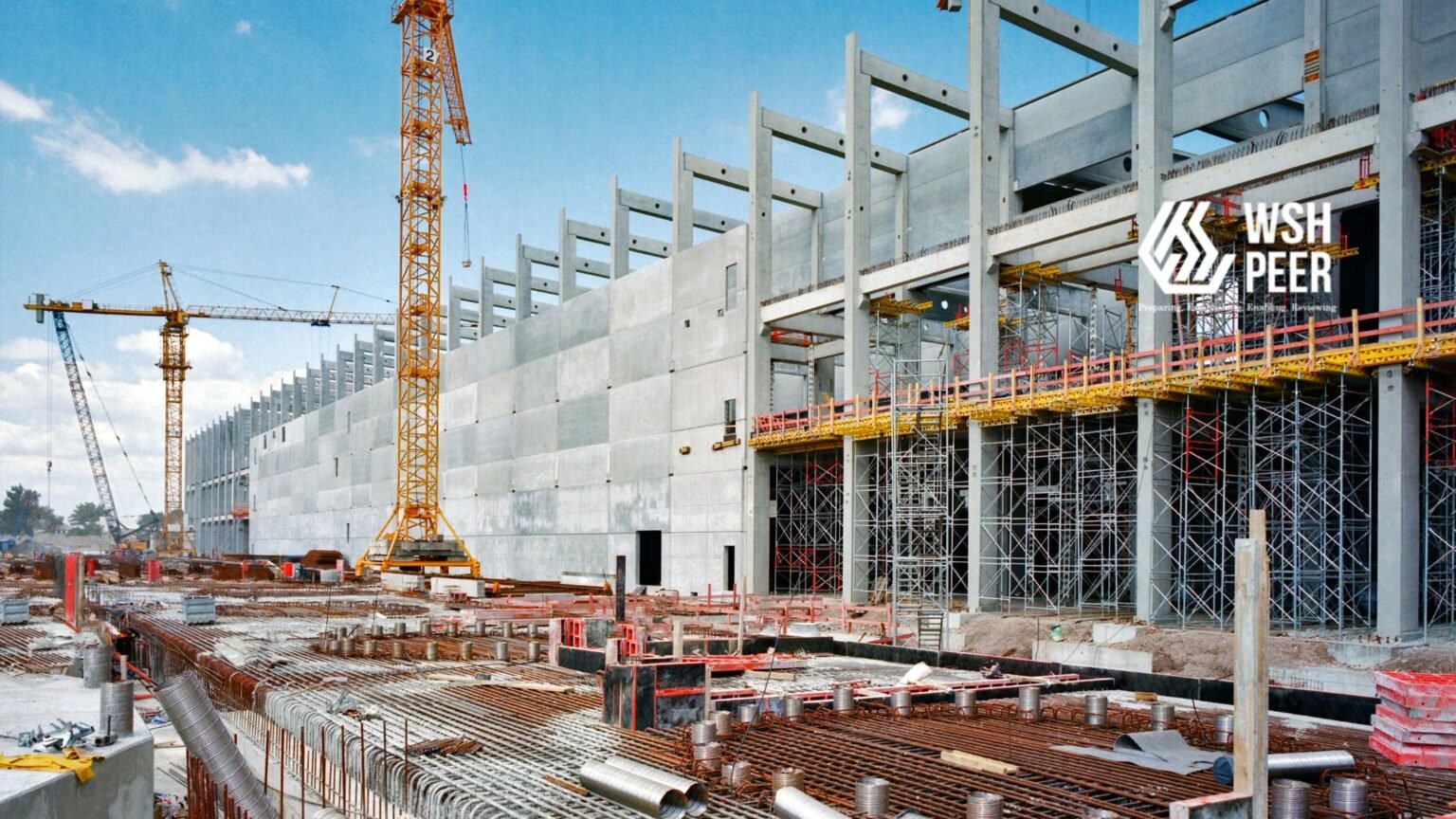
Enhancing Workplace Safety in Multi-Project Sites with PEER
In the industrial landscape, the success of a project is not solely measured by speed and final outcomes but significantly by the level of workplace safety. When multiple contractors and external vendors converge on a single project site commonly referred to as a multi-project site, the challenges of maintaining safety standards escalate dramatically. Accidents often occur not from internal employees but from contractors or temporary vendors working in the company’s area. This raises critical questions about how to manage safety effectively in such complex environments.

Understanding the Risks: Why Contractors Are Vulnerable
One of the primary reasons contractors often become focal points for safety incidents is the disparity in safety standards. Each contractor typically operates under its own safety culture and protocols. Some may strictly adhere to Personal Protective Equipment (PPE) guidelines, while others may be lax regarding work permit procedures. When these varied practices converge on a single site, the potential for accidents increases unless there is a harmonized Standard Operating Procedure (SOP) established by the project owner.
Moreover, external vendors often lack familiarity with the site layout, including hazard points, evacuation routes, and fire extinguisher locations. This unfamiliarity makes them more susceptible to risks such as tripping over equipment, falling from heights, or exposure to hazardous materials. The pressure of tight deadlines can exacerbate these risks, leading some contractors to bypass essential safety protocols, such as obtaining work permits or failing to report before conducting hot work.
Common Accidents in Multi-Project Sites
Accidents on multi-project sites can range from minor to severe, but their impacts can ripple through project timelines and company reputations. Common incidents include:
- Electrical shocks due to improper energy isolation (Lock Out Tag Out).
- Falls when working at heights without full-body harnesses.
- Injuries from heavy equipment due to lack of communication with operators in other areas.
- Minor fires resulting from welding activities conducted without a hot work permit.
These incidents, while seemingly straightforward, can lead to significant disruptions, tarnishing a company’s safety record and overall reputation.
Implementing Effective Safety Measures: The Role of SOPs
To mitigate the risk of accidents among contractors on multi-project sites, companies must adopt a more systematic and rigorous approach, particularly through the implementation of contractor safety SOPs. Here are some crucial components:
- Contractor Safety Induction: Before commencing work, all external personnel must undergo a safety induction. This includes familiarization with the work area, potential hazards, emergency response procedures, mandatory PPE usage, and penalties for safety violations.
- Permit to Work System: No work should commence without an official permit from the safety supervisor. All high-risk activities—such as hot work, work at heights, confined space operations, or electrical work—must follow a documented and approved work permit system.
- Pre-Job Safety Meetings & Tool Box Talks: Every morning, contractor teams should conduct tool box meetings to discuss the day’s work hazards and preventive measures. This practice fosters awareness and enhances communication and coordination among teams on-site.
- Contractor Audits and Inspections: Regular inspections by internal HSE teams or third-party auditors are essential to ensure compliance with established SOPs. Audit results should be accompanied by a Corrective Action Plan to ensure necessary improvements are implemented.
- Reward and Punishment System: Implementing a reward system for contractors demonstrating excellent safety performance can serve as a strong motivator. Conversely, strict penalties for safety violations—ranging from warnings to fines or vendor blacklisting—must be enforced.
Overcoming Challenges: The Reality of Implementation
Despite having detailed SOPs, real-world implementation often faces hurdles. Common challenges include limited supervision during night shifts or weekends, the transient nature of contractor workers making consistency difficult to manage, and inter-vendor ego clashes that hinder collaboration. Additionally, project management pressure to prioritize targets over safety can compromise safety protocols.
Here, the commitment from management becomes crucial. Safety must be ingrained in the organizational culture, not merely a formality on paper. It is essential to recognize that external vendors are not just supplementary workers but integral parts of the overall safety system.
Fostering an Inclusive Safety Culture
Looking ahead, the approach to contractor safety must evolve to be more inclusive and collaborative. Companies should view external vendors as equal stakeholders in the safety framework. This means all workers on the project site, whether internal or external, must adhere to the same safety regulations without exceptions or tolerances for violations.
By establishing a consistent system, promoting open communication, and fostering a shared commitment to safety, multi-project sites can transform into productive workplaces without compromising human lives. Workplace accidents are not just numbers on a monthly report; they represent lives that can change in an instant. Prioritizing contractor safety is essential, requiring rigorous SOPs, ongoing training, and continuous oversight—not as mere formalities but as vital investments to ensure everyone returns home safely each day.
