


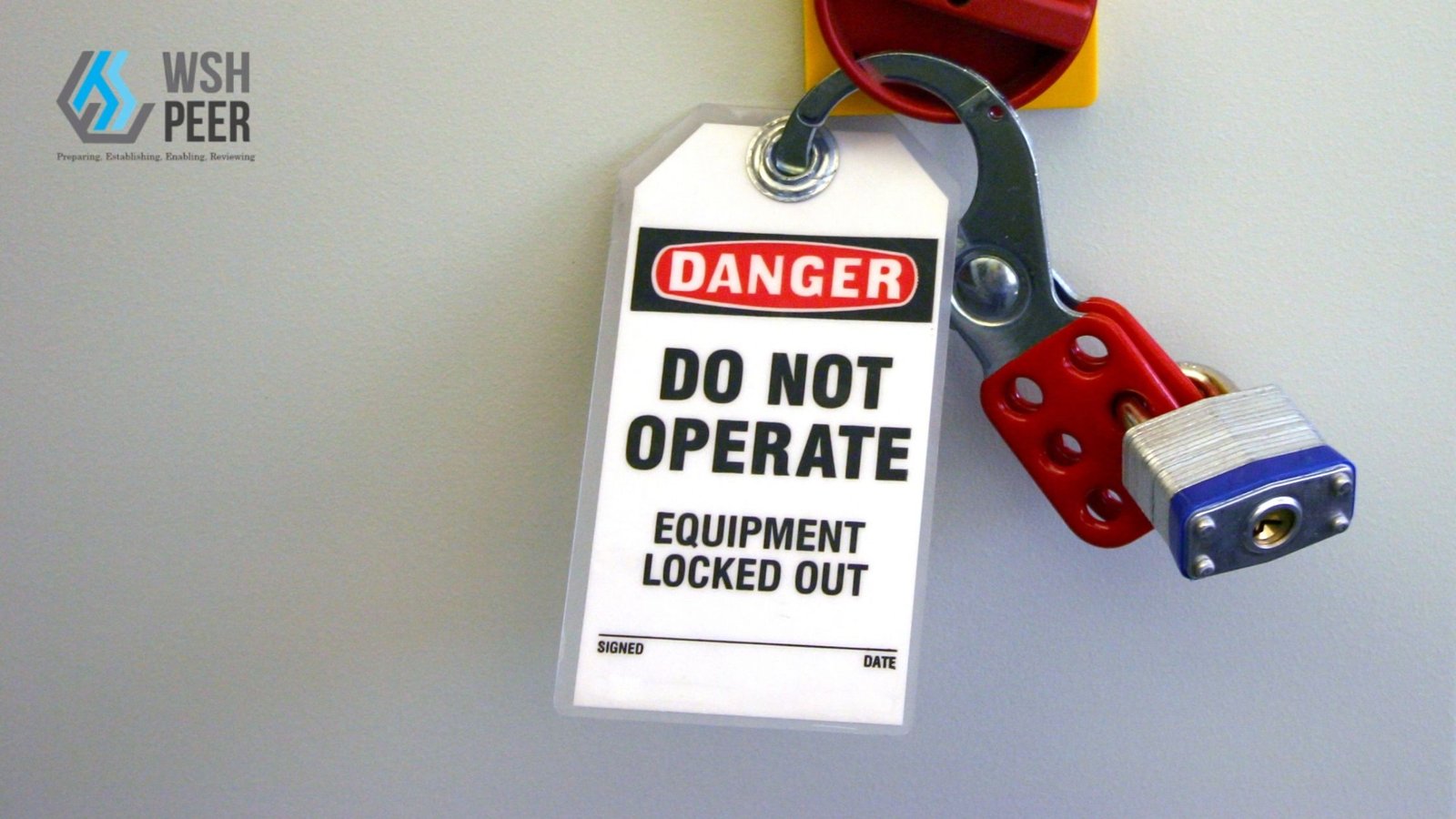

Enhancing Workplace Safety with a Maturity Model for Lockout Tagout Systems
In the realm of workplace safety, ensuring the protection of employees during maintenance activities is paramount. One critical component of this safety protocol is the Lockout Tagout (LOTO) system, designed to control hazardous energy during servicing and maintenance of machinery. However, many organizations find their LOTO programs stagnating at the levels of written procedures and classroom training. While this may appear compliant on paper, the reality often reveals significant gaps, especially in complex maintenance scenarios. This is where a maturity model for LOTO becomes essential.
The Maturity Model Framework
The maturity model for LOTO can be categorized into four distinct levels, each representing a different stage of implementation and effectiveness:
- Level 1 – Administrative Compliance: Procedures exist, training is conducted, but application is inconsistent. Documentation is present, yet energy verification is rarely tested.
- Level 2 – Controlled Implementation: Specific energy isolation procedures are available for each machine, and standard devices are utilized. Supervisors conduct spot checks, but measurement is limited to training completion rates.
- Level 3 – Verified Execution: LOTO is verified in the field through energy isolation verification tests. Observational audits are conducted, and error rates begin to be measured.
- Level 4 – Integrated Risk Control: LOTO is integrated with permit-to-work systems, risk assessments, and reliability programs. Data measurement is analyzed for root causes, and continuous improvement is driven by key performance indicators (KPIs).
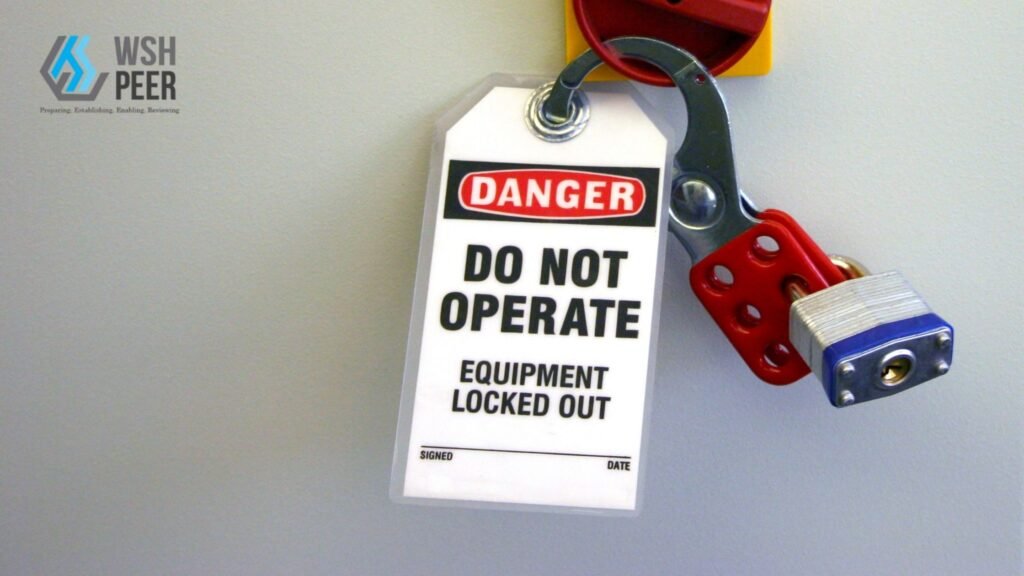
Implementing the Maturity Model with PEER
To effectively implement a maturity model for LOTO, organizations can leverage the PEER WSH management system. PEER offers modules such as Personnel Management, PTW Management, and Inspection that can streamline the process of achieving compliance and enhancing safety protocols.
1. Procedures: Energy Control Procedures
For a successful LOTO program, it is crucial to develop asset-specific energy control procedures (ECP). These procedures should include:
- Identification of all energy sources (electrical, mechanical, hydraulic, pneumatic, thermal, gravity).
- Isolation locations.
- Methods for verifying zero energy.
- Responsibilities of personnel in charge.
- Diagrams or photos of isolation points.
Using PEER’s Inspection module, organizations can regularly validate these procedures to ensure they reflect the latest modifications and installations, minimizing the risk of accidents.
2. Devices: Standardization and Availability
A mature LOTO program requires standardized devices such as:
- Locks with personal identification.
- Clear and durable tags.
- Hasps for multiple workers.
- Group lock boxes for team operations.
- Specific devices like breaker locks and valve locks.
PEER’s Asset Management module can help track device availability and compliance rates, ensuring that all necessary equipment is on hand and suitable for the hazards present in the workplace.
3. Competence: Training Beyond Attendance
Training alone is insufficient for ensuring competence. A mature program must include:
- Authorized employees who can perform isolation and verification.
- Affected employees who understand restrictions and control areas.
- Supervisors capable of conducting observational audits.
PEER can facilitate practical assessments and skill validations, moving beyond mere attendance records to ensure that employees are genuinely equipped to handle LOTO procedures effectively.
4. Field Audits: Verification on the Ground
Administrative audits are inadequate for LOTO compliance. Effective audits should include:
- Direct observation during isolation processes.
- Verification of zero energy tests.
- Comparison of procedures against actual conditions.
- Interviews with workers to gauge understanding of isolation steps.
Using PEER’s Workflow module, organizations can implement structured field audits, enhancing the consistency and effectiveness of their LOTO programs.
5. Measurement: Performance Indicators
Without measurement, LOTO becomes a mere compliance ritual. Key performance indicators to track include:
- Field Verification Pass Rate: The percentage of isolations that pass zero energy tests without corrections.
- LOTO Error Rate: The number of deviations per total isolations audited.
- Audit Finding Density: The number of findings per audit hour.
- Corrective Action Closure Time: The average time taken to resolve LOTO findings.
- Unauthorized Removal Incidents: A zero-tolerance metric, ideally at zero.
PEER’s measurement dashboard can provide real-time insights into these metrics, allowing organizations to identify trends and areas for improvement.
90-Day Implementation Plan
To transition from a basic LOTO program to a mature system, organizations can follow a structured 90-day implementation plan:
- Phase 1 – Assessment & Baseline (Days 1-30): Conduct a gap assessment, sample audits, identify missing devices, and establish baseline metrics.
- Phase 2 – Standardization & Competence Upgrade (Days 31-60): Revise high-priority procedures, standardize devices, and retrain authorized employees.
- Phase 3 – Field Verification & Measurement Control (Days 61-90): Implement mandatory zero energy verification records and analyze error patterns.
By the end of 90 days, organizations should aim for a field verification pass rate above 90% and a reduction in error rates by at least 30% from baseline levels.
Conclusion
Achieving maturity in LOTO is not merely about having locks or certified training; it is about creating a living energy control system that is validated, measured, and analyzed consistently in the field. For safety professionals, shifting the mindset from “training completed” to “field verification validated” is crucial. Ultimately, the effectiveness of LOTO is not gauged by the number of documents but by how consistently zero energy is achieved before work commences.