

Harnessing AI for Enhanced Workplace Safety: A Game Changer for WSH Management
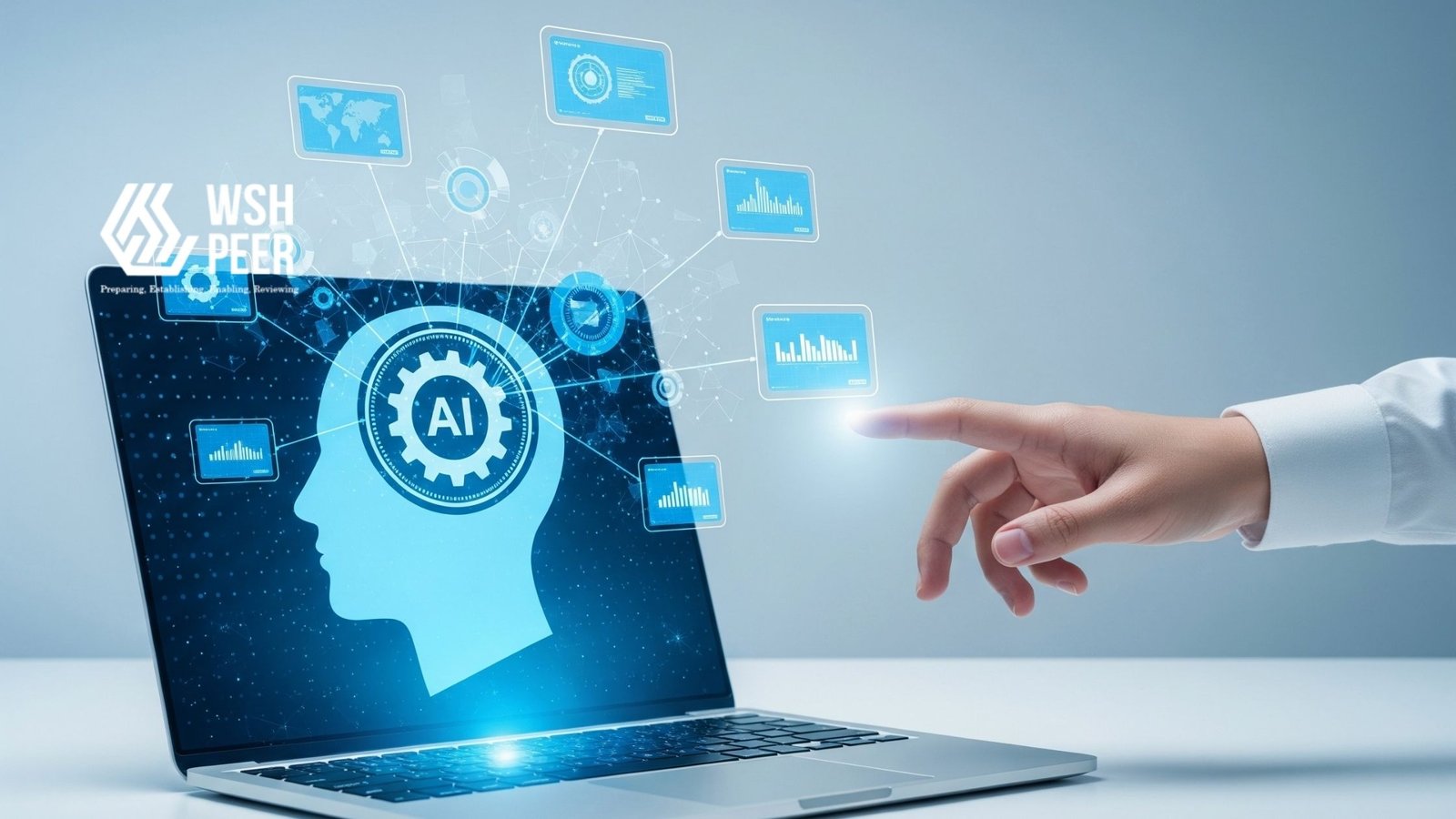
In today’s rapidly evolving industrial landscape, the integration of advanced technologies is not just an option; it’s a necessity. As organizations strive to comply with stringent health and safety regulations, the role of artificial intelligence (AI) in workplace safety and health (WSH) management has become increasingly vital. By leveraging AI, companies can predict accidents, manage hazard data effectively, and expedite investigations, ultimately fostering a safer and more productive work environment.

The Role of AI in Predicting Workplace Accidents
Accidents in the workplace can have devastating consequences, both for employees and organizations. Traditional methods of accident prevention often fall short, as they rely heavily on historical data and manual analysis. AI changes the game by utilizing machine learning algorithms to analyze vast amounts of historical incident data, near-miss reports, maintenance records, and real-time sensor data. This allows organizations to identify patterns and correlations that may not be immediately apparent.
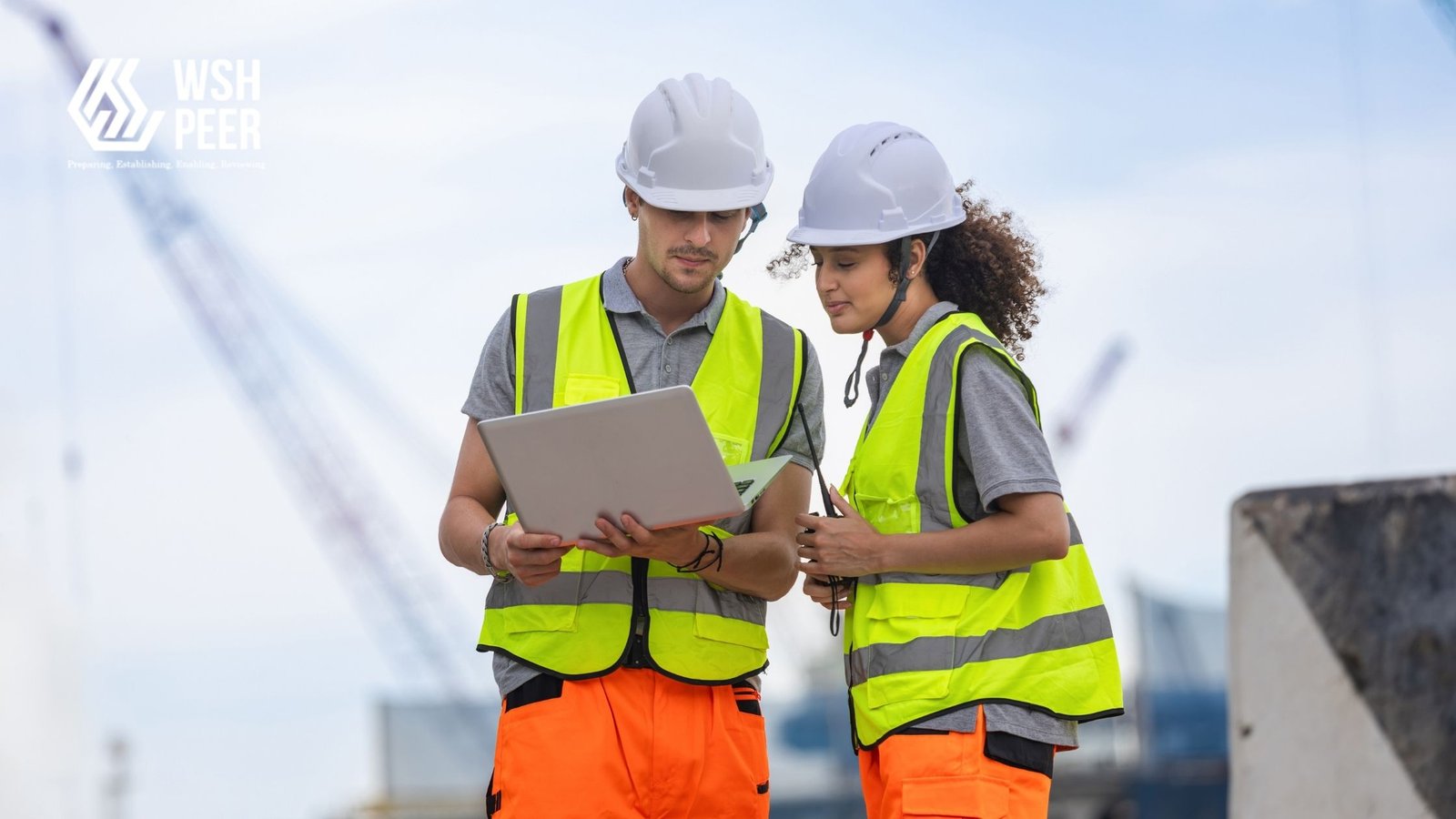
For instance, in the construction industry, AI can analyze data from various sources, such as weather conditions and worker hours, to predict when accidents are more likely to occur. Imagine a scenario where AI identifies that a combination of high temperatures and extended work hours correlates with an increase in operator errors. By providing early warnings, organizations can take proactive measures to mitigate risks, such as adjusting work schedules or implementing additional safety protocols.
Streamlining Hazard Data Management with PEER
One of the significant challenges in workplace safety is the fragmented nature of hazard data. Often, reports are scattered across spreadsheets, emails, and paper documents, making it challenging to track and manage risks effectively. The PEER management system addresses this issue by offering a centralized platform for hazard data management.
With modules like Personnel Management and Inspection, PEER allows organizations to categorize and assess hazards automatically. For example, when a worker submits a hazard report via the PEER application, AI algorithms can classify the report based on the type of hazard—be it chemical, electrical, or mechanical. This automated classification not only saves time but also ensures that no report goes unnoticed.
Furthermore, PEER’s risk assessment module evaluates the severity and potential impact of each hazard, helping management prioritize which issues require immediate attention. This data-driven approach leads to faster response times and a more structured method of managing workplace safety.
Accelerating Investigations with AI
When accidents do occur, traditional investigation methods can be time-consuming and inefficient. AI can significantly streamline this process, allowing organizations to conduct thorough investigations more quickly. By employing computer vision technology, AI can analyze video footage from CCTV cameras to track the sequence of events leading up to an incident. This capability enables investigators to focus on critical moments rather than sifting through hours of footage.
In the oil and gas industry, for example, AI can detect procedural violations by monitoring operations in real-time. If a worker fails to follow safety protocols, the AI system can automatically flag the incident for further investigation. This not only enhances compliance but also reduces the risk of future incidents.
Moreover, AI can assist in root cause analysis by identifying causal relationships between different data points. Utilizing methods like the 5 Whys or Fishbone Diagram, AI can provide insights into underlying issues, enabling organizations to implement corrective actions that address the root causes rather than just the symptoms.
Creating a Culture of Safety through AI
Beyond reactive measures, AI can also play a proactive role in shaping a culture of safety within organizations. Virtual reality (VR) training programs powered by AI can simulate hazardous situations, allowing workers to practice their responses in a safe environment. By monitoring user behavior and decision-making during these simulations, organizations can provide personalized feedback to improve safety awareness and reduce risky behaviors.
Additionally, AI-driven chatbots can serve as on-demand resources for employees, answering safety-related questions and providing guidance on procedures. This constant access to information empowers workers to make informed decisions and reinforces a culture of safety.
Overcoming Challenges in AI Implementation
While the benefits of AI in workplace safety are clear, organizations must navigate several challenges to implement these technologies effectively. One significant hurdle is the integration of disparate data sources. To maximize the potential of AI, companies should invest in a unified digital platform like PEER from the outset.
Initial costs associated with AI and smart sensors can also be a barrier, but the long-term return on investment (ROI) from reduced incident rates often justifies the expense. Additionally, workforce readiness is crucial; employees must be trained to use these digital systems effectively. Implementing gradual training programs that focus on practical applications can ease this transition.
Finally, organizations must address privacy and ethical considerations when deploying AI and monitoring technologies. Establishing transparent data usage policies can help build trust among employees while ensuring compliance with regulations.
Real-World Success Stories
Several industries have already begun to reap the benefits of AI in workplace safety. In the manufacturing sector, a company implemented vibration and temperature sensors on its machinery. AI algorithms detected abnormal patterns, leading to early warnings that reduced incidents by over 30% within three months.
In the chemical industry, AI-powered cameras monitored compliance with safety procedures. The result was a significant increase in adherence to standard operating procedures (SOPs) and a decrease in exposure to hazardous materials.
Real-World Success Stories
Several industries have already begun to reap the benefits of AI in workplace safety. In the manufacturing sector, a company implemented vibration and temperature sensors on its machinery. AI algorithms detected abnormal patterns, leading to early warnings that reduced incidents by over 30% within three months.
In the chemical industry, AI-powered cameras monitored compliance with safety procedures. The result was a significant increase in adherence to standard operating procedures (SOPs) and a decrease in exposure to hazardous materials.
Conclusion
As industries continue to embrace AI and automation, workplace safety must evolve from a reactive checklist to a proactive, data-driven approach. By integrating systems like PEER, organizations can predict accidents, manage hazard data effectively, and accelerate investigations, all while fostering a culture of safety. The transformation brought about by AI not only enhances safety but also contributes to a more productive and cost-efficient workplace.