




Preventing Fatal Risks in Construction: A Comprehensive Approach with PEER
The construction industry is notorious for its high rates of workplace fatalities. With dynamic environments, heavy machinery, and the constant threat of accidents, ensuring the safety of workers is paramount. In light of this, implementing a robust Fatality Prevention Program (FPP) is not just a regulatory requirement but a moral obligation. This article delves into the six critical fatal risks in construction and how the PEER management system can effectively mitigate these dangers.
Understanding Fatal Risks in Construction
Fatal risks are hazards that have the potential to cause death or permanent disability, even if their occurrence is statistically low. When these risks manifest, the consequences are often catastrophic. The construction sector must prioritize the identification and management of these risks to protect its workforce.
Six Critical Fatal Risks
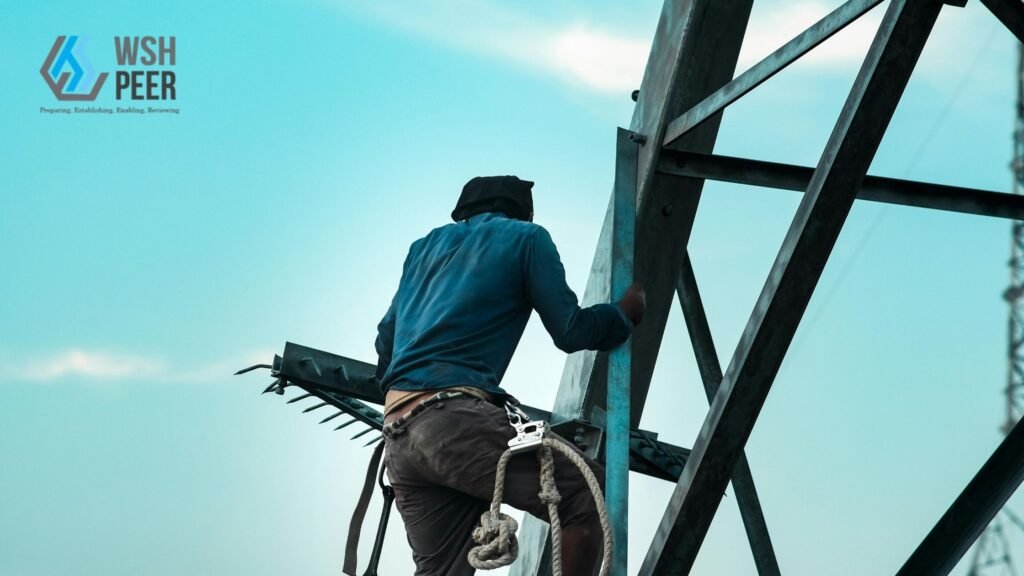
1. Falls from Heights: Falls are the leading cause of fatalities in construction. Workers on scaffolding, roofs, or elevated platforms face significant dangers.
Mitigation Strategies: Implementing full-body harnesses and lifelines, installing guardrails, and conducting daily inspections of scaffolding and anchor points are essential. Utilizing PEER’s Inspection module can streamline these checks, ensuring compliance and safety.
2. Falling Objects: Tools and materials can fall from heights, posing risks to workers below.
Mitigation Strategies: Establishing barricades, using toe boards, and mandating hard hats are critical. PEER’s Permit to Work Management can help enforce safety protocols when working at height.
3. Heavy Machinery Hazards: Blind spots and congested areas can lead to accidents involving dump trucks, excavators, and forklifts.
Mitigation Strategies: Creating separate pedestrian pathways, employing spotters, and ensuring operators wear high-visibility vests can reduce risks. The PEER Workflow module can facilitate communication and coordination among teams to enhance safety.
4. Electrical Hazards: Open cables and work near live electrical networks can lead to serious injuries or fatalities.
Mitigation Strategies: Implementing Lock Out Tag Out (LOTO) procedures, ensuring proper grounding, and conducting regular inspections are vital. PEER’s Personnel Management module can track training and certifications for electrical technicians, ensuring only qualified personnel handle electrical tasks.
5. Excavation Risks: Excavation work presents dangers such as cave-ins and equipment accidents.
Mitigation Strategies: Utilizing shoring and sloping techniques, conducting inspections before pouring concrete, and having an emergency rescue plan are essential. PEER can assist in documenting these procedures and ensuring compliance through its Quality Control module.
6. Confined Spaces: Working in tanks, manholes, or trenches can expose workers to toxic gases and oxygen deficiency.
Mitigation Strategies: Employing gas detectors, ensuring proper ventilation, and having a standby rescue team are critical. PEER’s Permit to Work Management can help manage confined space entries, ensuring all safety measures are followed.
Building a Culture of Safety
Implementing a Fatality Prevention Program is not merely about adhering to regulations; it is about fostering a culture of safety. The components of an effective FPP include:
- Fatal Risk Register: A comprehensive mapping of all fatal risks associated with construction activities.
- Permit to Work: A system to control high-risk jobs, ensuring that all safety measures are in place before work begins.
- Safety Leadership: Direct supervision by leadership to reinforce safety protocols.
- Safety Patrol & Audit: Regular checks to identify potential hazards and ensure compliance.
- Safety Induction: Educating workers about safety practices before they start on-site.
- Emergency Response Plan: Preparedness for emergencies to minimize impact.
By integrating these components into the PEER management system, companies can enhance their safety culture and reduce the likelihood of fatal accidents.
Conclusion: A Call to Action
Preventing workplace fatalities is not just about compliance; it is about protecting lives. Each safety procedure executed with discipline means one less family facing the loss of a loved one. The goal is not merely to complete projects quickly but to ensure that every worker returns home safely.
As industry leaders, it is crucial to adopt comprehensive safety management systems like PEER that facilitate compliance and enhance safety protocols. By doing so, we can collectively work towards a safer construction environment, reducing the risk of fatalities and ensuring a culture of safety prevails.