

The Critical Importance of Workplace Safety Management Systems: Lessons from Recent Tragedies
In recent years, the importance of robust workplace safety management systems has been underscored by tragic incidents that have claimed lives and disrupted communities. A recent fire at the Terra Drone building in Jakarta, which resulted in the loss of 22 lives, serves as a stark reminder of the potential consequences of inadequate safety measures. This incident highlights the urgent need for organizations to adopt comprehensive safety management systems, such as PEER, to ensure compliance with health and safety regulations and to mitigate risks effectively.

Understanding the Incident
The fire at the Terra Drone building reportedly started from a drone battery explosion, leading to a rapid escalation of flames and smoke. Eyewitness accounts indicate that initial attempts to extinguish the fire using portable fire extinguishers (APAR) were unsuccessful, resulting in a catastrophic situation where many victims succumbed to smoke inhalation. The building’s single access point and narrow staircases further complicated evacuation efforts, contributing to the high casualty rate.
This tragic event is not an isolated case; similar incidents have occurred across various industries, including construction, oil & gas, and manufacturing. Each incident serves as a critical learning opportunity for organizations to reassess their safety protocols and implement effective risk management strategies.
The Role of PEER in Enhancing Workplace Safety
PEER, a comprehensive Workplace Safety and Health (WSH) management system, offers a suite of modules designed to streamline safety compliance and risk management. Key modules such as Personnel Management, Permit to Work (PTW) Management, Inspection, Asset Management, Quality Control, and Workflow are integral in fostering a culture of safety within organizations.
For instance, the Personnel Management module allows organizations to maintain accurate records of employee training and certifications, ensuring that all personnel are equipped with the necessary skills to respond effectively in emergencies. The PTW Management module facilitates the safe execution of high-risk tasks by ensuring that all safety protocols are followed before work commences.
Real-World Applications of PEER
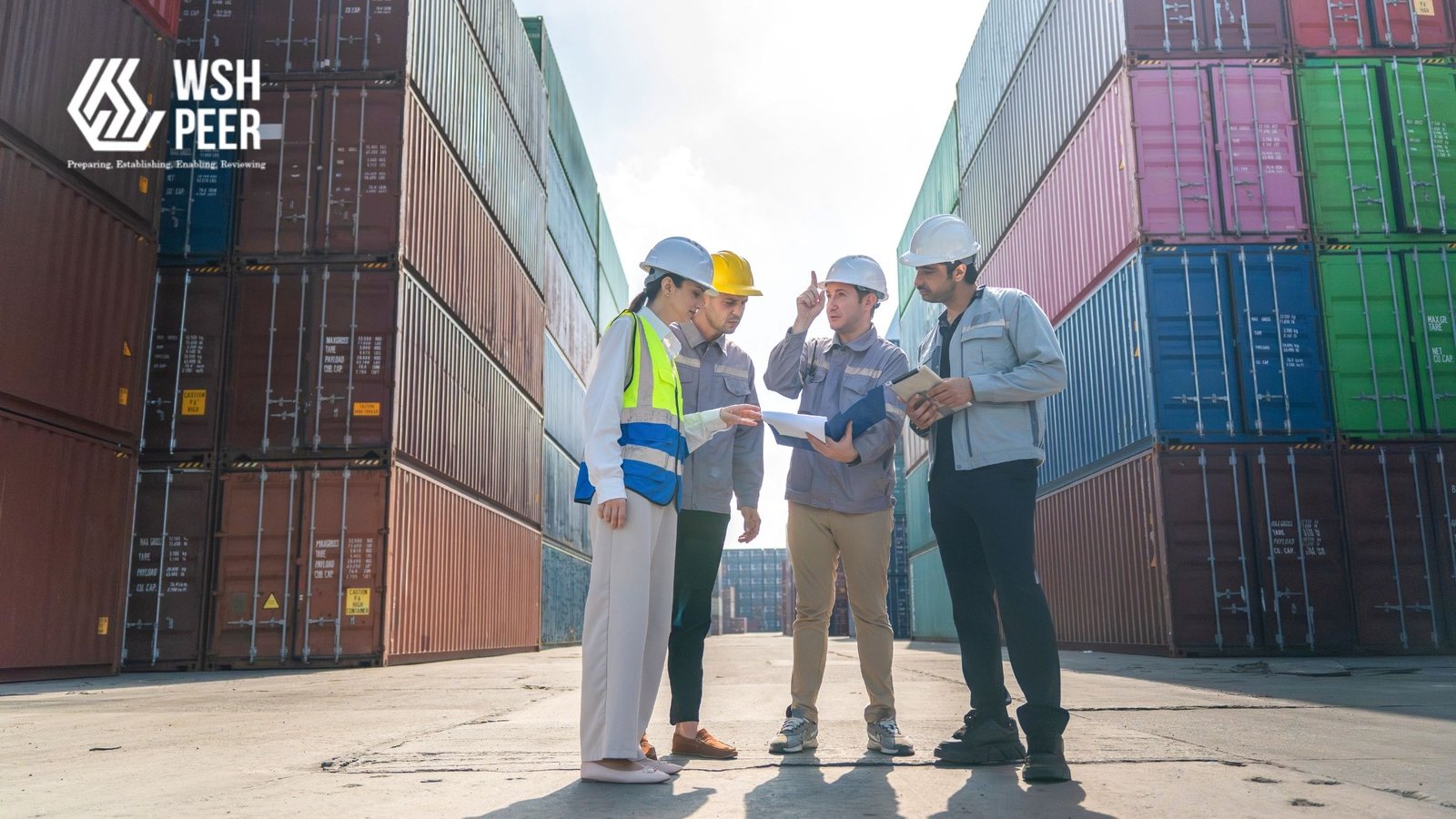
In the construction industry, where the risk of accidents is prevalent, PEER can significantly enhance safety measures. By utilizing the Inspection module, construction managers can conduct regular safety audits and inspections, identifying potential hazards before they lead to incidents. Furthermore, the Quality Control module ensures that materials and equipment meet safety standards, reducing the likelihood of failures that could result in accidents.
In the oil and gas sector, where operations often involve hazardous materials and environments, PEER’s Workflow module can streamline processes to ensure that safety protocols are adhered to at every stage of operation. By integrating safety checks into daily workflows, organizations can minimize risks and enhance overall safety performance.
Creating a Culture of Safety
Implementing a safety management system like PEER is not just about compliance; it is about fostering a culture of safety within the organization. This culture is built on continuous education and training, where employees are encouraged to participate in safety drills and workshops. The PEER system supports this by providing resources and tracking training progress, ensuring that all employees are aware of safety protocols and emergency procedures.
Moreover, organizations must prioritize open communication regarding safety concerns. Employees should feel empowered to report hazards or unsafe practices without fear of retribution. This proactive approach can prevent incidents before they occur, ultimately saving lives and reducing costs associated with workplace accidents.
Conclusion: Taking Action for a Safer Workplace
The tragic fire at the Terra Drone building serves as a critical reminder of the importance of workplace safety. Organizations must take decisive action to implement comprehensive safety management systems like PEER to prevent similar incidents in the future. By investing in safety training, regular inspections, and effective risk management strategies, businesses can create a safer working environment for all employees.
In the face of the ongoing challenges in workplace safety, it is imperative that organizations recognize the value of adopting advanced safety management systems. The time to act is now—ensure your organization is equipped to handle emergencies and protect the lives of your employees.