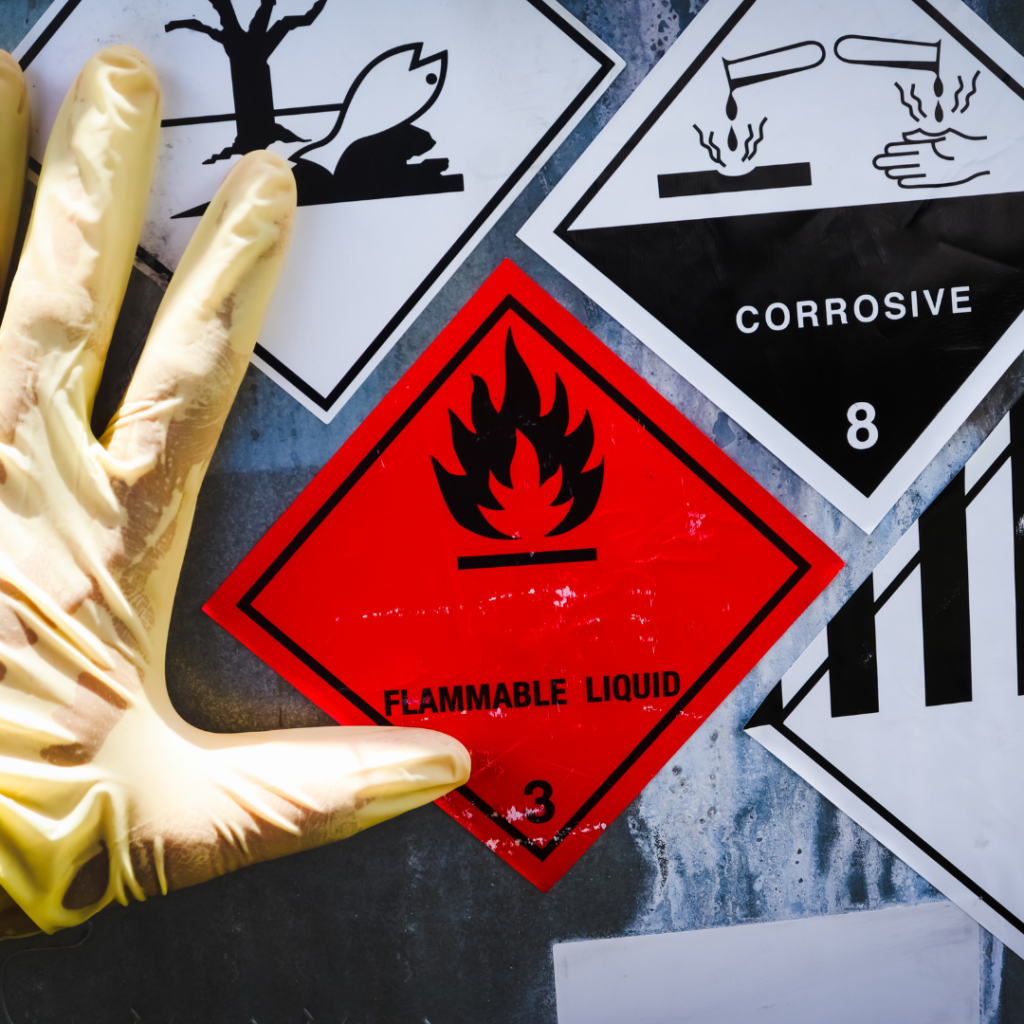
Identification of Hazardous Materials is the first crucial step in maintaining a safe workplace. It involves recognizing various hazardous substances that could be present, including chemicals, biological agents, and physical hazards like gases or dusts. Employees must be trained to identify these materials and understand their associated risks, such as toxicity, flammability, or corrosivity. Proper identification is essential for preventing exposure and minimizing the risk of accidents.
Control Measures are necessary to manage and minimize exposure to hazardous materials. These measures include implementing appropriate storage solutions, such as locked cabinets for chemicals, and ensuring clear labeling to identify hazardous substances. Employees should follow strict handling procedures, including the use of personal protective equipment (PPE) like gloves, masks, or goggles, and work in well-ventilated areas. Additionally, regular inspections and audits should be conducted to ensure compliance with safety standards and prevent accidental releases or exposures.
First Aid Procedures play a vital role in addressing incidents involving hazardous materials. It’s essential to train employees in the proper response steps for various chemical exposures, including immediate actions like flushing affected areas with water or using specific antidotes. First aid kits equipped with necessary supplies should be easily accessible, and employees must be familiar with emergency contact information. Additionally, training in basic first aid and emergency response ensures that employees can act quickly to minimize harm while awaiting medical assistance. Regular drills and updates on handling hazardous materials will ensure employees are well-prepared for any incident that may arise.