


Transforming Workplace Safety Audits with a Risk-Based Approach
In the realm of workplace safety and health (WSH), traditional audit practices often fall short of their intended purpose. Many organizations view safety audits as mere administrative tasks checking off boxes on a checklist without truly understanding the underlying risks. This approach can lead to catastrophic consequences, including fatal accidents and significant financial losses. However, by adopting a risk-based approach to safety audits, organizations can shift their focus from compliance to actual risk mitigation, ultimately saving lives and protecting assets.
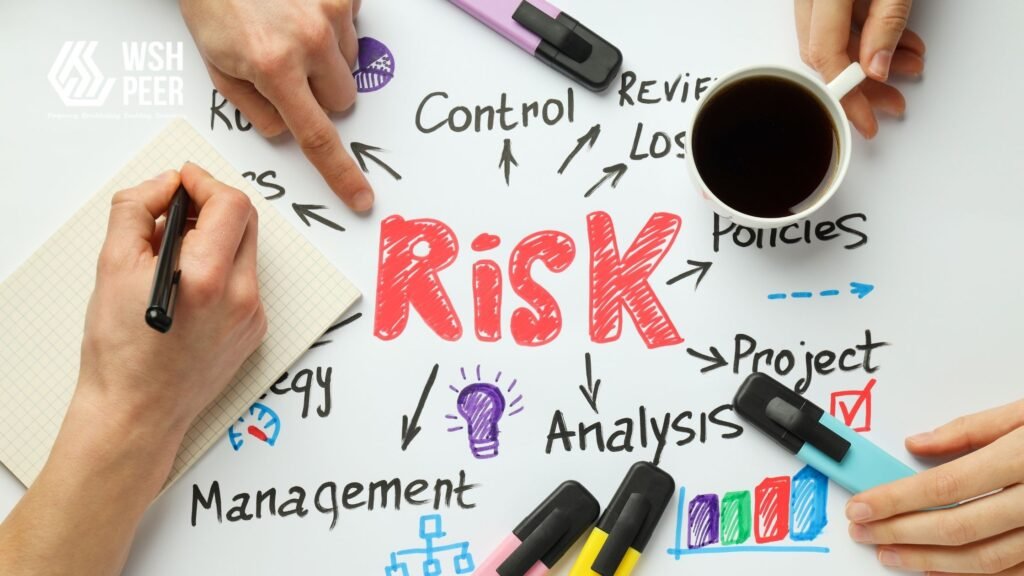
The Flaws of Traditional Safety Audits
Conventional safety audits typically involve a routine inspection of personal protective equipment (PPE), signage, and documentation. While these elements are essential, they do not address the real dangers present in the workplace. Statistics reveal that 80% of fatal accidents stem from less than 20% of high-risk job types. If audits continue to treat all areas equally, high-risk activities may go unchecked, leaving organizations vulnerable to serious incidents.
Embracing a Risk-Based Approach
A risk-based approach to safety audits prioritizes areas and activities based on their risk levels rather than applying a one-size-fits-all checklist. This method emphasizes the following key components:
- Focus on Real Risks: Begin audits by assessing the type of work, hazardous energies involved, potential for fatality, and historical data on near misses and accidents, rather than adhering to a predetermined schedule.
- Utilizing a Risk Register: A risk register serves as a roadmap for audits, detailing sources of hazards, worst-case consequences, likelihood and severity of incidents, existing controls, and gaps. Areas with the highest risk ratings become audit priorities.
- In-Depth Audits of High-Risk Activities: Activities such as hot work, confined space entry, lifting operations, working at heights, electrical isolation, and chemical handling require thorough field audits that go beyond paperwork compliance.
- Testing Control Measures: Audits should not only verify the existence of procedures but also assess their relevance and effectiveness. Are workers truly following the protocols? Can these controls prevent fatal accidents?
Implementing a Risk-Based Audit Process
To effectively implement a risk-based audit process, organizations can follow these structured steps:
- Pre-Audit Risk Profiling: Review the risk register, analyze accident and near-miss data, and ensure legal compliance to identify risk priority areas.
- Audit Planning: Rank work areas based on risk levels: high-risk areas require intensive audits, medium-risk areas undergo regular audits, and low-risk areas may be sampled.
- Field Audit Reality Check: Conduct direct observations of work practices, interview employees, test the effectiveness of control measures, and check emergency readiness.
- Risk Gap Analysis: Evaluate failures in controls, human errors, unsafe conditions, and unsafe acts to identify areas for improvement.
- Corrective Actions Based on Risk: Recommendations should focus on eliminating or substituting hazards, implementing engineering controls, and using administrative controls and PPE as a last line of defense.
Leveraging PEER for Enhanced Safety Management
Integrating PEER, a comprehensive WSH management system, can significantly enhance the effectiveness of risk-based audits. With modules such as Personnel Management, PTW Management, Inspection, Asset Management, Quality Control, and Workflow, PEER provides organizations with the tools needed to streamline their safety processes. For instance, the Inspection module can help maintain an up-to-date risk register, while the Workflow module ensures that corrective actions are tracked and implemented efficiently.
Real-World Applications: Industries Leading the Way
Industries such as construction, oil & gas, and manufacturing have begun to embrace risk-based audits with remarkable success. In construction, for example, companies that focus on high-risk activities like scaffolding and heavy machinery operation have seen a significant reduction in accidents by prioritizing these areas during audits. Similarly, in the oil and gas sector, organizations that implement rigorous risk assessments for drilling operations have been able to mitigate potential hazards effectively.
Conclusion: A Call to Action for Safer Workplaces
Workplace safety audits should no longer be viewed as mere compliance exercises. By adopting a risk-based approach, organizations can transform their safety audits into strategic tools for risk management. The integration of PEER into this process not only enhances compliance but also fosters a culture of safety that prioritizes the well-being of employees and the protection of assets. It’s time to move beyond checklists and embrace a proactive approach to workplace safety that truly saves lives.
