
In today’s fast-paced industrial landscape, ensuring workplace safety and operational reliability is not just a regulatory requirement; it is a strategic imperative. Industries such as construction, oil & gas, manufacturing, and logistics are increasingly recognizing that effective safety management is intrinsically linked to equipment reliability and overall operational excellence. The PEER, management system stands at the forefront of this transformation, offering a comprehensive solution to integrate safety and efficiency seamlessly.
The Shift from Compliance to Operational Excellence
Traditionally, workplace safety (WSH) has been viewed as a compliance function, primarily focused on audits, personal protective equipment (PPE), toolbox meetings, and regulatory adherence. However, modern operational practices reveal a deeper connection between safety, equipment reliability, and profitability. A safe plant is often a more stable one. Conversely, facilities plagued by unsafe conditions experience higher downtimes, frequent breakdowns, and suboptimal Overall Equipment Effectiveness (OEE).
Leading organizations are now bridging the gap between safety indicators and reliability engineering. They understand that:
- Safety protects people and processes.
- Reliability ensures equipment operates smoothly.
- OEE measures overall production effectiveness.
These three elements are interdependent. When a workplace incident occurs, it triggers a cascade of negative effects: production halts, equipment shuts down, maintenance demands surge, and OEE plummets. Even near misses, which may not result in injuries, often signal underlying reliability issues.
Understanding the Financial Impact of Safety
Consider a scenario where a forklift accident halts production for four hours in a facility with a capacity of 1,200 units per hour and a contribution margin of Rp8,000 per unit. The potential loss in contribution margin alone amounts to Rp38.4 million from a single incident. This figure does not account for investigation costs, overtime, recovery, scrap, medical expenses, or reputational damage.
As organizations mature in their safety practices, they begin to quantify the “cost of unsafe operations” in financial terms, moving beyond mere accident statistics. Many significant accidents occur during maintenance activities, such as confined space work, hot work, electrical isolation, and lifting operations. Thus, the concept of Safe Maintenance and Reliability-Centered Maintenance (RCM) emerges, emphasizing not only the repair of machines but also the safety and repeatability of maintenance processes.
PEER Management System: A Comprehensive Solution
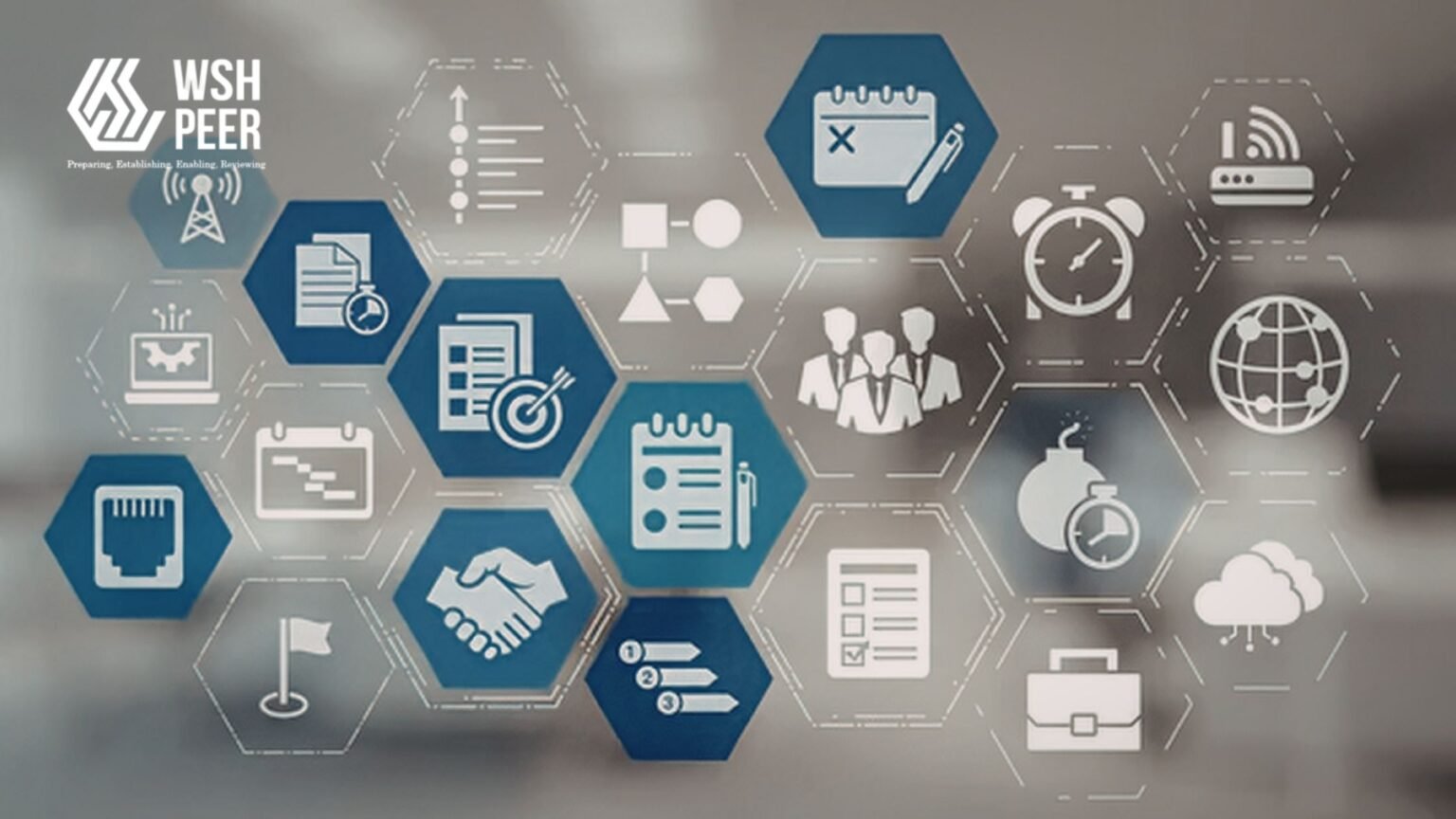
The PEER management system is designed to address these challenges head-on. With modules like Personnel Management, Izin to Work (PTW) Management, Inspeksi, Asset Management, Quality Control, and Workflow, PEER provides a holistic approach to workplace safety and operational reliability.
For instance, the PTW Management module ensures that all safety-critical tasks are performed under strict compliance, minimizing human error and operational upsets. Similarly, the Inspection module allows for regular checks on safety-critical equipment, such as gas detectors and fire suppression systems, ensuring that failures in these areas do not jeopardize business continuity.
Key Performance Indicators for Safety and Reliability
To effectively manage safety and reliability, organizations must focus on leading indicators rather than lagging ones. Leading indicators can provide early warnings of potential issues before they escalate into incidents. Here are some key performance indicators (KPIs) relevant to reliability and operational excellence:
- Unsafe Condition Closure Rate: Measures how quickly potential hazards are addressed. A slower closure rate indicates higher risiko exposure and a greater likelihood of breakdowns.
- Near Miss Reporting Frequency: High reporting rates often correlate with proactive risk management and enhanced reliability.
- Planned vs. Reactive Maintenance Ratio: A higher ratio of planned maintenance reduces accident risks and stabilizes operations.
- Permit to Work Compliance: Low compliance rates can lead to human errors and equipment damage.
- Safety Critical Equipment Inspection Compliance: Regular inspections of critical equipment are essential for maintaining business continuity.
By integrating these KPIs into the PEER system, organizations can track their performance in real-time, allowing for timely interventions that enhance both safety and reliability.
Conclusion: A Competitive Advantage
In the modern industrial era, viewing workplace safety as merely a cost center is no longer viable. A mature safety culture contributes to improved equipment reliability, reduced unplanned downtime, stable production, and enhanced OEE, ultimately safeguarding operational profitability. By leveraging the PEER management system, organizations can foster a safer, more reliable, and efficient workplace, creating a significant competitive advantage in their respective industries.
As we move forward, the integration of safety and operational excellence will not only protect employees but also drive business success. Embrace the PEER management system today and transform your approach to workplace safety and reliability.
Digitalisasi K3 di Tempat Kerja
Sederhanakan proses K3 Anda agar tetap patuh dan siap diaudit.Dapatkan Demo Gratis
