
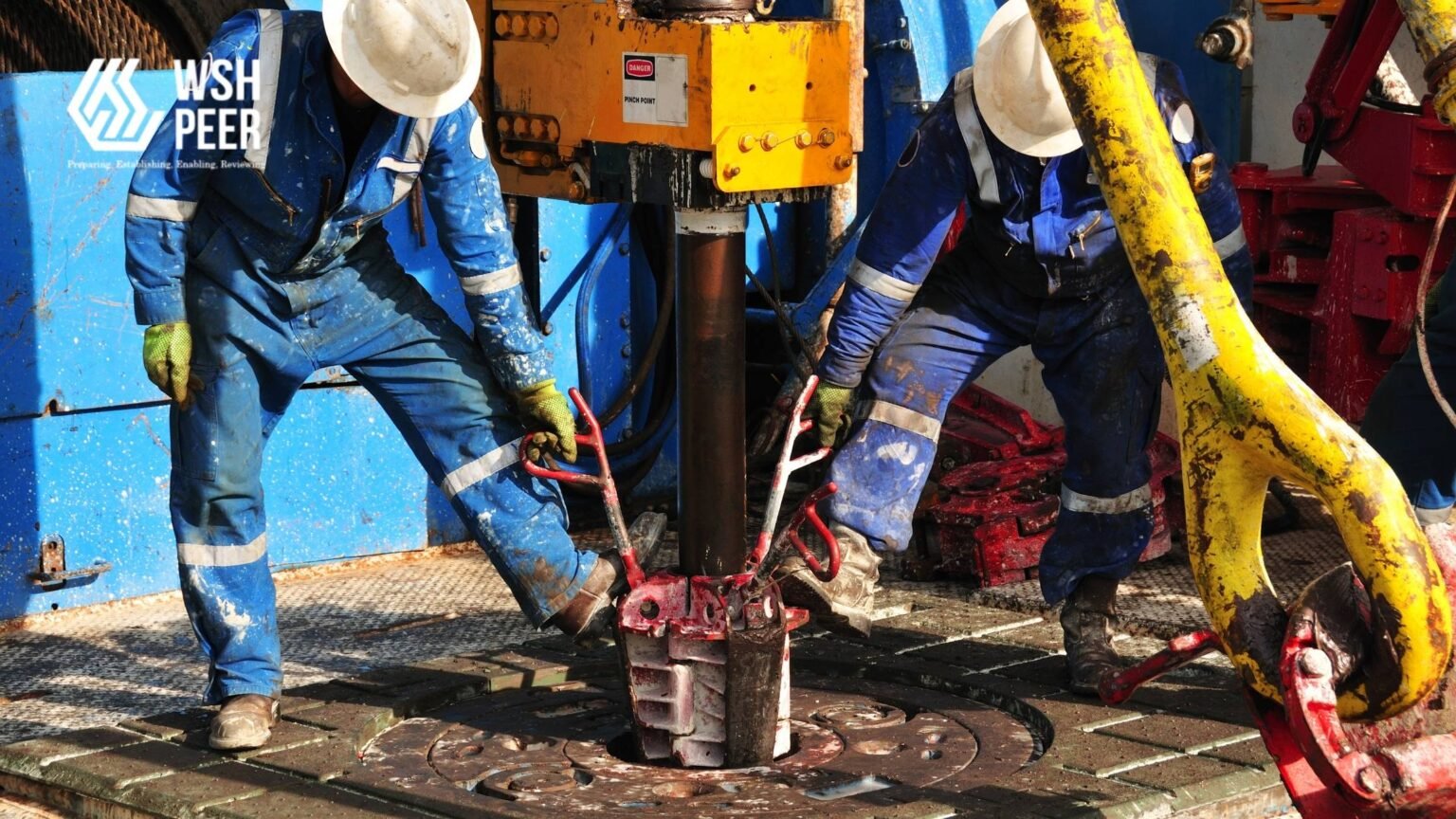
Dalam berita terbaru, insiden pengeboran di Blang Rubek, Aceh Utara, menyoroti pentingnya protokol keselamatan dalam operasi pengeboran. Ketika gas, lumpur, dan api membanjiri lubang pengeboran, masyarakat setempat langsung panik. Insiden ini menjadi pengingat yang jelas akan potensi bahaya yang terkait dengan kegiatan pengeboran, terutama di daerah yang memiliki sejarah jaringan pipa gas atau ekstraksi minyak. Untuk mengurangi risiko tersebut, sistem manajemen yang efektif seperti PEER, sangat penting untuk memastikan kepatuhan terhadap keselamatan dan kesehatan kerja (WSH) peraturan.
Insiden: Panggilan Peringatan untuk Keamanan
Pada pagi hari Sabtu, penduduk di dekat perkebunan kelapa sawit dikejutkan oleh ledakan keras diikuti dengan letusan gas dan lumpur yang signifikan dari sebuah sumur air. Pengeboran yang dimaksudkan untuk irigasi pertanian secara tidak terduga mencapai kedalaman di mana terdapat kantong gas, menyebabkan ledakan yang mengakibatkan api mencapai ketinggian 75 meter. Untungnya, tidak ada korban yang dilaporkan, namun insiden tersebut menyebabkan kerusakan pada rumah-rumah di sekitarnya dan memaksa banyak penduduk untuk mengungsi.
Insiden ini menggarisbawahi perlunya tindakan yang menyeluruh. risiko penilaian sebelum operasi pengeboran dimulai. Pemerintah setempat, termasuk Badan Manajemen Minyak dan Gas Aceh (BPMA), segera bertindak untuk mengamankan wilayah tersebut dan menyelidiki sumber letusan gas. Tindakan cepat mereka sangat penting untuk mencegah bencana lebih lanjut, tetapi hal ini juga menimbulkan pertanyaan tentang langkah-langkah pencegahan yang seharusnya telah dilakukan.
Pentingnya Penilaian Risiko dalam Operasi Pengeboran
Operasi pengeboran, baik untuk air, minyak, maupun gas, mengandung risiko yang secara inheren dapat menyebabkan peristiwa bencana jika tidak dikelola dengan baik. Karakteristik insiden Blang Rubek menyerupai ledakan sumur non-industri, di mana tekanan gas di bawah tanah terlepas tanpa terkendali akibat aktivitas pengeboran. Skenario ini menekankan perlunya identifikasi risiko yang komprehensif dan strategi manajemen.
Sebelum memulai pengeboran, sangat penting untuk melakukan survei teknis dan berkoordinasi dengan pihak berwenang terkait guna memastikan bahwa area tersebut aman. Penggunaan sistem manajemen yang kuat seperti PEER dapat mempermudah proses ini. Modul-modul PEER, seperti Manajemen Personel dan Inspeksi, dapat membantu organisasi menjaga kepatuhan terhadap peraturan keselamatan dan memastikan bahwa seluruh personel terlatih dan dilengkapi secara memadai untuk menghadapi potensi bahaya.
PEER: Solusi Komprehensif untuk Keselamatan di Tempat Kerja
PEER dirancang untuk merampingkan pengelolaan WSH, memberikan organisasi alat-alat yang diperlukan untuk meningkatkan keselamatan di berbagai industri, termasuk konstruksi dan industri minyak dan gas. Dengan mengintegrasikan modul seperti: PTW (Izin Untuk Manajemen Kerja) Manajemen dan Manajemen Aset, PEER memungkinkan pendekatan sistematis terhadap manajemen risiko.
Misalnya, modul Manajemen PTW memastikan bahwa semua aktivitas pengeboran disetujui dan dipantau, sehingga meminimalkan risiko operasi yang tidak sah yang dapat menyebabkan kecelakaan. Selain itu, modul Inspeksi dapat digunakan untuk melakukan pemeriksaan keselamatan rutin pada peralatan dan lokasi pengeboran, memastikan kepatuhan terhadap standar keselamatan yang ditetapkan.
Aplikasi Dunia Nyata dari PEER dalam Manajemen Risiko
Dalam industri konstruksi, PEER berperan penting dalam mengelola protokol keselamatan selama kegiatan yang berisiko tinggi seperti penggalian dan perancah. Dengan menerapkan proses penilaian risiko yang komprehensif, perusahaan konstruksi dapat mengidentifikasi potensi bahaya dan menetapkan strategi mitigasi yang efektif. Pendekatan proaktif ini tidak hanya melindungi pekerja tetapi juga meningkatkan efisiensi keseluruhan proyek.
Demikian pula, di sektor minyak dan gas, perusahaan telah mengadopsi PEER untuk memantau operasi pengeboran secara ketat. Dengan memanfaatkan modul Workflow, organisasi dapat membuat alur kerja terperinci yang menguraikan prosedur keselamatan dan rencana tanggap darurat. Hal ini memastikan bahwa seluruh personil mengetahui peran dan tanggung jawab mereka dalam hal terjadi insiden, sehingga mengurangi waktu respon dan potensi kerusakan.
Membangun Budaya Keselamatan
Implementasi sistem seperti PEER tidak hanya berkaitan dengan kepatuhan saja; namun juga bertujuan untuk mendorong budaya keselamatan dalam organisasi. Pelatihan dan pendidikan berkelanjutan merupakan komponen vital dari budaya ini. Dengan memanfaatkan modul Manajemen Personel, organisasi dapat melacak kebutuhan pelatihan dan memastikan bahwa semua karyawan dilengkapi dengan pengetahuan dan keterampilan yang diperlukan untuk bekerja dengan aman.
Selain itu, latihan dan simulasi keselamatan secara rutin dapat dilakukan untuk mempersiapkan karyawan menghadapi situasi darurat. Pendekatan proaktif ini tidak hanya meningkatkan kesiapan individu, tetapi juga membangun kebersamaan tim dan kepercayaan diri dalam menghadapi krisis.
Kesimpulan: Melakukan Aksi untuk Masa Depan yang Lebih Aman
Insiden pengeboran di Blang Rubek menjadi pengingat penting akan pentingnya manajemen risiko dalam operasi yang berisiko tinggi. Dengan mengadopsi sistem manajemen WSH yang komprehensif seperti PEER, organisasi dapat secara signifikan mengurangi kemungkinan terjadinya kecelakaan dan memastikan keselamatan para pekerja serta masyarakat sekitar. Sangat penting bagi seluruh pemangku kepentingan di industri pengeboran dan konstruksi untuk memberikan prioritas pada keselamatan, melakukan penilaian risiko secara menyeluruh, dan menerapkan strategi manajemen yang efektif untuk mencegah terjadinya insiden di masa depan.
Saat kita bergerak maju, mari kita mengambil langkah untuk meningkatkan keselamatan dan kesehatan di tempat kerja, memastikan bahwa insiden seperti yang terjadi di Aceh Utara menjadi hal yang sudah berlalu.
