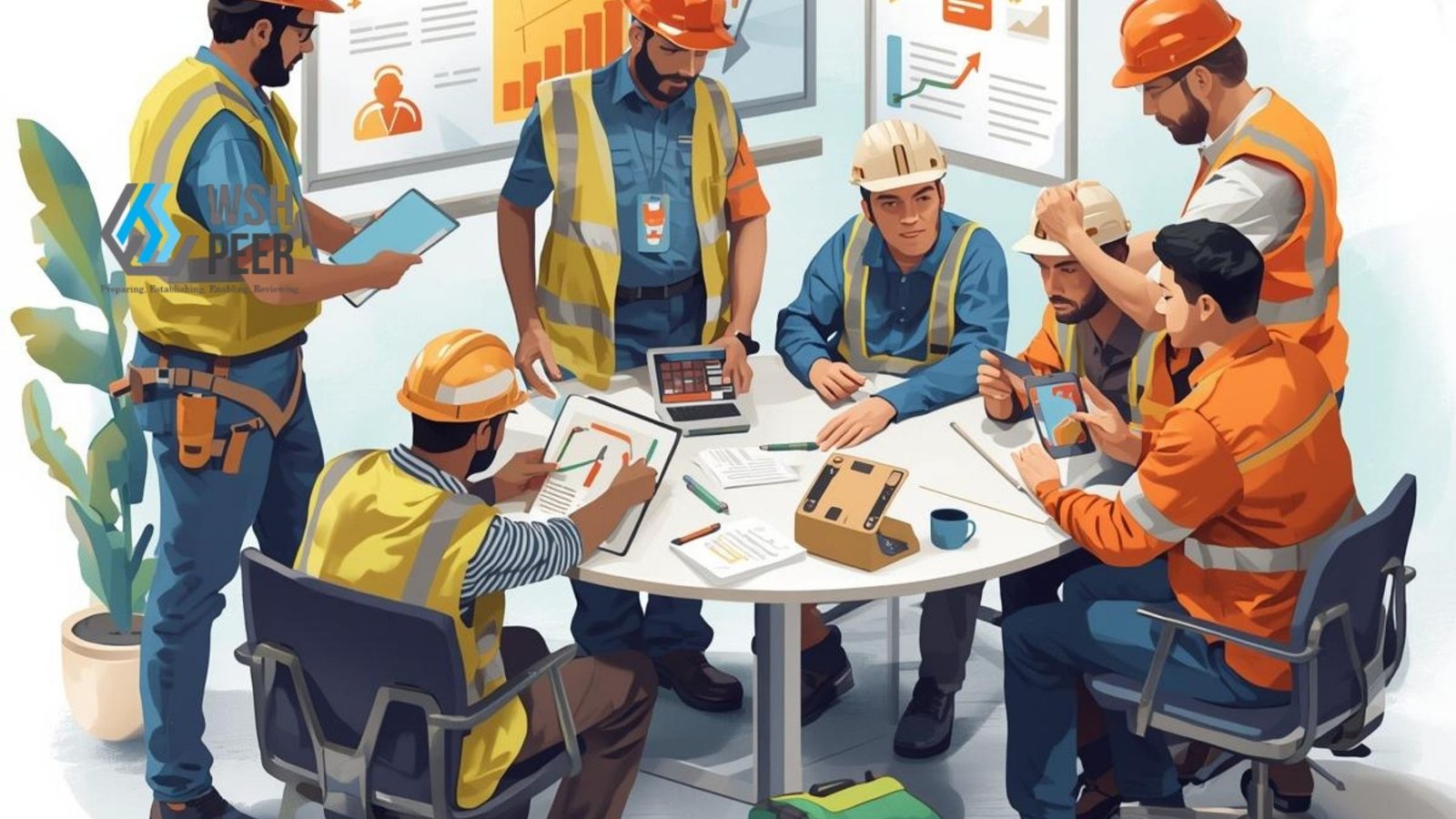




Why Construction Safety Training Fails Without Digital Tracking
Construction sites are among the most regulated and high-risk work environments in the world. From working at height to heavy equipment operations, ensuring that every worker follows safety procedures is not only a legal requiremen, it is critical to project continuity and workforce protection.
Yet, many construction companies still rely on traditional, manual safety training methods that struggle to keep pace with modern project complexity.

The Compliance Challenge in Construction Projects
Construction projects often involve:
- Multiple contractors and subcontractors
- High workforce turnover
- Varying safety standards across sites and regions
- Tight project timelines
In this environment, maintaining consistent and verifiable safety training becomes a major challenge. Paper-based records, offline inductions, and disconnected training logs make it difficult to prove compliance and identify gaps before incidents occur.
What Is Digital Safety Training?
Digital safety training refers to the use of online platforms and systems to deliver, manage, and track safety education. This includes:
- Online safety inductions and mandatory training modules
- Digital assessments and competency verification
- Centralized training records and certifications
- Real-time monitoring of training completion
Rather than replacing safety culture, digital training strengthens it by making compliance measurable and transparent.
How Digital Safety Training Improves Compliance
1. Standardized Training Across All Sites
Digital platforms ensure that every worker receives the same approved safety content, regardless of location or contractor. This consistency reduces interpretation errors and aligns all personnel with company and regulatory standards.
2. Real-Time Visibility for HSE Teams
HSE managers can instantly see:
- Who has completed required training
- Which certifications are expired or missing
- Training gaps across projects
This visibility allows proactive intervention before non-compliance becomes a risk.
3. Verifiable Audit Trails
Digital training systems automatically create time-stamped records, assessment results, and certification histories. During audits or inspections, compliance evidence is readily available, reducing preparation time and audit stress.
4. Faster Onboarding Without Compromising Safety
Digital safety inductions allow new workers and subcontractors to complete mandatory training before entering the site. This minimizes delays while ensuring no one starts work without proper safety awareness.
5. Continuous Improvement Through Data
Training data reveals patterns:
- Repeated knowledge gaps
- High-risk activities requiring reinforcement
- Correlation between training and incident reduction
These insights enable organizations to continuously improve their safety programs rather than relying on assumptions.
The Business Impact Beyond Compliance
Improved compliance leads to tangible business benefits:
- Reduced accident rates and downtime
- Higher workforce accountability
- Stronger safety culture across contractors
- Improved project predictability and reputation
Digital safety training shifts compliance from a reactive obligation to a strategic advantage.
结论
In today’s construction environment, compliance cannot rely on manual processes and fragmented records.
Digital safety training provides a practical, scalable, and auditable solution to ensure every worker is trained, competent, and compliant across every site.
Organizations that embrace digital safety training are not just meeting regulations; they are building safer, more resilient construction projects.
Looking to strengthen safety compliance across your construction sites?
PEER helps construction companies implement digital safety training and integrated HSE systems that improve visibility, accountability, and compliance.