


Enhancing Toolbox Meetings for Effective Workplace Safety
In the realm of workplace safety, Toolbox Meetings are often seen as a routine necessity. However, many organizations conduct these meetings daily without realizing that the effectiveness of these sessions can significantly impact safety outcomes. Despite the frequency of these meetings, incident rates in various industries, including construction, oil & gas, and manufacturing, remain alarmingly high. The issue lies not in the concept of Toolbox Meetings but in their execution. This article explores common pitfalls in Toolbox Meetings and offers actionable solutions to enhance their effectiveness, ultimately fostering a safer work environment.
The Importance of Engaging Toolbox Meetings
Toolbox Meetings should serve as a brief yet impactful moment to raise safety awareness before employees commence their tasks. When conducted haphazardly, these meetings lose their purpose and devolve into mere formalities. The goal is to create an engaging atmosphere where safety becomes a shared responsibility rather than a top-down directive. By leveraging tools like the PEER management system, organizations can streamline their safety protocols and ensure compliance with health and safety regulations.

Common Mistakes in Toolbox Meetings
To improve Toolbox Meetings, it’s essential to identify and address common mistakes that diminish their effectiveness:
1. Repetitive Content
Many Toolbox Meetings cover the same topics week after week—personal protective equipment (PPE), slips, trips, and falls. While these topics are crucial, their repetitive nature can lead to employee disengagement.
Impact: When workers become bored, they tune out, rendering safety messages ineffective.
Solution: Tailor the content to the day’s specific tasks. For example, if rain is forecasted, discuss the hazards of slippery surfaces. If working at heights, focus on fall risks. This approach keeps the content relevant and engaging.
2. Lengthy Presentations
Meetings that drag on for 20–30 minutes often consist of long lectures without core messages.
Impact: Employees lose focus and are eager to return to work, leading to poor information retention.
Solution: Limit meetings to 5–10 minutes, focusing on key points: introduce hazards, discuss safe work practices, and encourage brief Q&A sessions to involve participants.
3. Lack of Real-World Context
Presentations that are purely theoretical fail to connect with employees’ realities.
Impact: Workers may feel invulnerable, believing that incidents won’t happen to them.
Solution: Incorporate real-life examples, such as past incidents within the company or notable accidents reported in the news. Use relatable language, like, “Yesterday, someone almost fell because they didn’t check their harness, so we need to inspect before climbing today.”
4. Monologue Delivery
When only one person speaks—typically the supervisor—other participants may remain silent and passive.
Impact: This lack of interaction can lead to misunderstandings and a lack of engagement.
Solution: Encourage dialogue by asking questions like, “What risks do you foresee in today’s tasks?” Involve workers by sharing their experiences and summarizing key points at the end.
5. Overly Technical Language
Using complex jargon can alienate employees who may not fully understand the terminology.
Impact: Important safety messages can be lost in translation.
Solution: Simplify language. Instead of saying, “Prioritize ergonomic risk mitigation during manual handling,” say, “When lifting items, bend your knees instead of bending over.” Tailor the language to the local culture and context.
Transforming Toolbox Meetings with PEER
Integrating the PEER management system into your Toolbox Meetings can significantly enhance their effectiveness. PEER offers modules such as Personnel Management and Inspection, which can help track attendance, assess safety compliance, and document discussions. By utilizing these tools, organizations can ensure that safety protocols are not only discussed but also implemented and monitored.
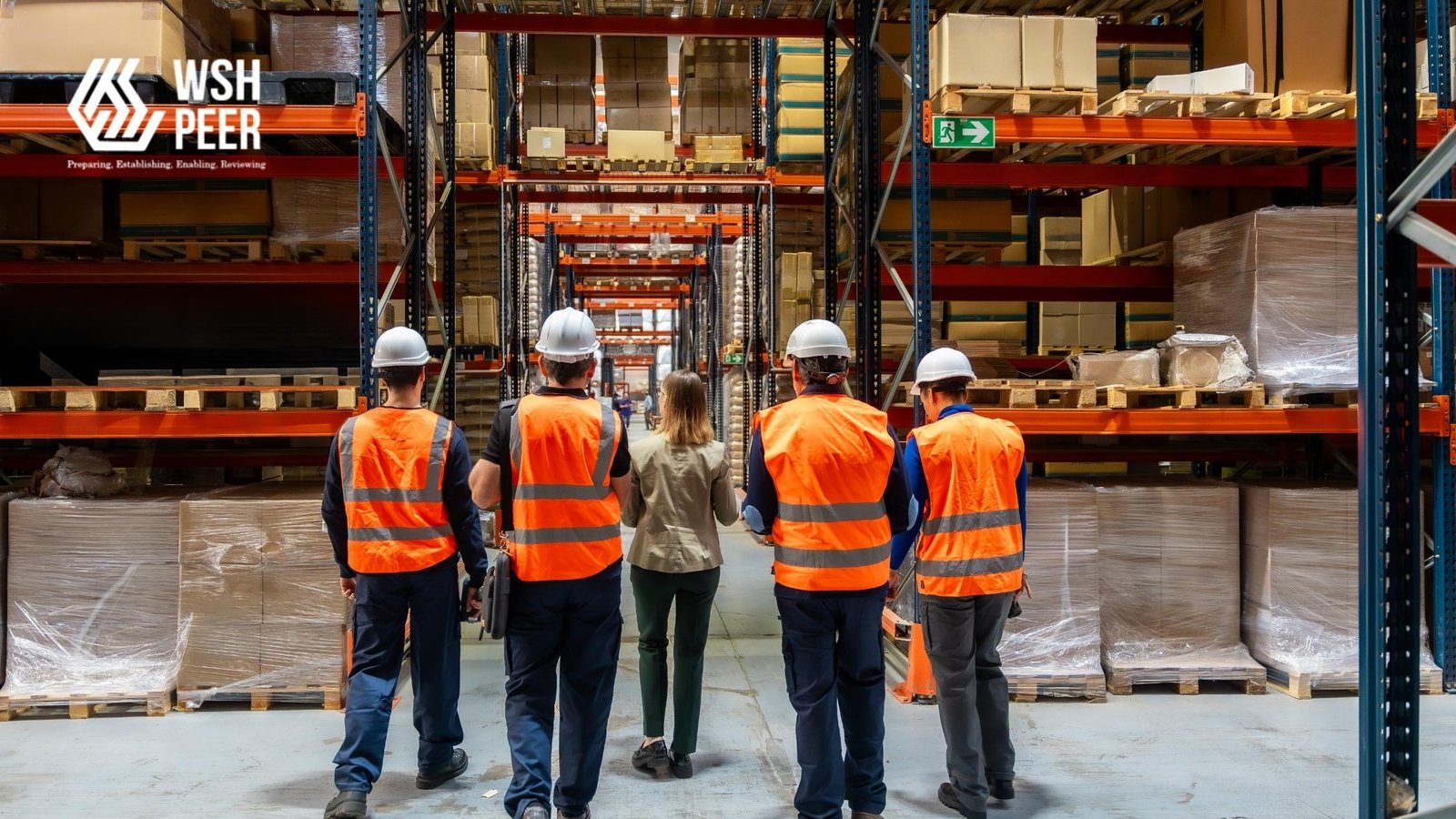
For example, during a Toolbox Meeting in a construction setting, the supervisor can use the PEER system to pull up recent inspection reports and highlight areas needing attention. This real-time data makes discussions more relevant and actionable, reinforcing the importance of safety compliance.
Conclusion: Making Safety a Habit
Toolbox Meetings are not merely a formality; they are a critical component of workplace safety. To be effective, they must be brief, relevant, based on real examples, interactive, and communicated in simple language. When executed correctly, Toolbox Meetings can prevent incidents before they occur. Ultimately, safety is not just a set of regulations; it is a habit that must be cultivated daily. By embracing these strategies and leveraging tools like PEER, organizations can foster a culture of safety that protects employees and enhances productivity.