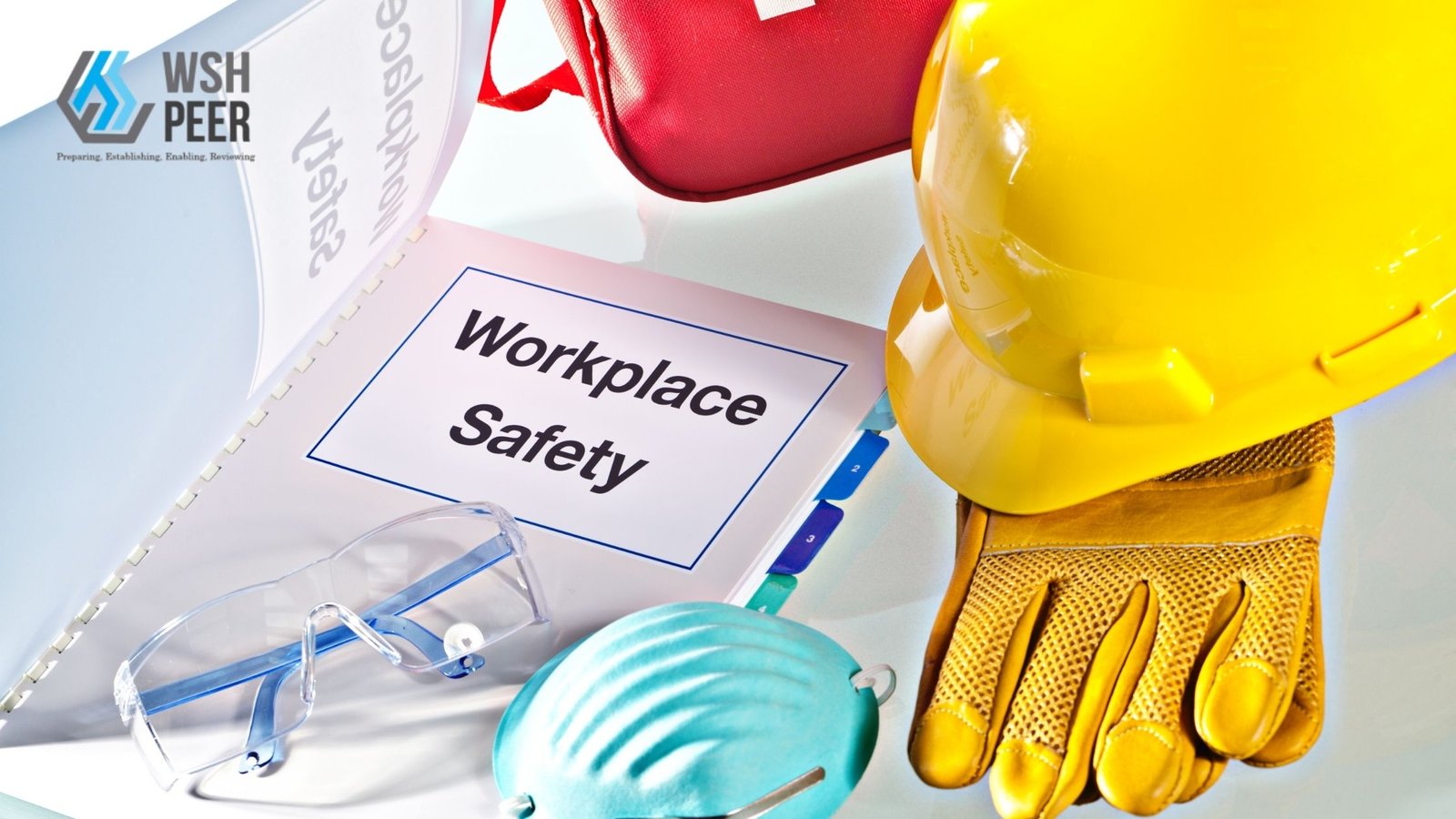




Transforming Workplace Safety: From Compliance to a Safety Culture
In today’s fast-paced industrial landscape, ensuring 工作场所安全 has become more than just a regulatory requirement; it’s a strategic imperative. Organizations across various sectors, including construction, oil & gas, and manufacturing, are realizing that mere compliance with safety regulations is insufficient for fostering a truly safe and productive work environment. The shift from compliance to a robust safety culture is essential, especially in industries with high operational risks.

The Limitations of Compliance
Compliance typically involves adhering to established regulations and standards set by governing bodies. While this is crucial, it often represents a reactive approach focused on avoiding penalties rather than proactively fostering a culture of safety. For example, a construction company may ensure that all safety gear is worn on-site to comply with regulations, yet this does not necessarily mean that workers feel safe or empowered to report unsafe conditions.
True safety culture transcends compliance. It requires a fundamental change in mindset, where safety is viewed not just as an obligation but as a shared value that influences every decision and action within the organization. This transformation demands engagement from all levels of the organization, from top management to field workers.
Leadership: The Cornerstone of Safety Culture
Effective leadership is crucial in embedding a safety culture within an organization. Leaders must not only ensure compliance with safety procedures but also model safe behavior themselves. They play a pivotal role in communicating the importance of safety consistently and clearly. For instance, in the oil & gas sector, leaders who actively participate in safety drills and discussions signal to their teams that safety is a priority.
Moreover, leaders should recognize and reward safe behaviors, fostering an environment where employees feel valued for their commitment to safety. Creating open channels for discussing potential hazards without fear of retribution is essential. When workers see genuine commitment from their leaders, they are more likely to adopt safety as a core value.
Strategies for Cultivating a Safety Culture
Transitioning from compliance to a safety culture is a structured process that requires commitment and consistency. Here are several strategies organizations can implement:
- Establish a Clear Safety Vision and Values: Safety values should be integrated into the company’s vision and daily operations. For example, a manufacturing firm might adopt a safety-first mantra that is visible in all communications and training materials.
- Continuous Safety Competence Development: Regular training, certifications, and coaching are vital for enhancing workers’ abilities to identify and manage risks. Utilizing PEER’s Personnel Management module can streamline training schedules and track employee progress.
- Implement a Non-Punitive Reporting System: Employees must feel safe reporting hazardous conditions without fear of blame. PEER’s Inspection module can facilitate anonymous reporting and tracking of safety issues.
- Encourage Active Participation Across All Levels: A strong safety culture thrives when employees are involved in inspections, risk assessments, and evaluations of safety programs. This engagement can be supported through PEER’s Workflow module, which allows for collaborative safety initiatives.
- Ongoing Evaluation and Improvement: Regular audits, incident investigations, and data analysis are essential for refining safety systems. PEER’s Quality Control module can assist in monitoring safety metrics and identifying areas for improvement.
Benefits of a Strong Safety Culture
Organizations that successfully cultivate a safety culture experience numerous benefits beyond mere compliance. For instance, a construction firm that prioritizes safety may see a reduction in accidents, leading to lower operational disruptions and enhanced productivity. Additionally, a strong safety culture can improve the company’s reputation among clients, regulators, and the public.
Moreover, when employees feel valued and safe, their morale and attendance rates improve, contributing to a more harmonious workplace. The financial implications are significant as well; reduced incidents lead to lower compensation claims and operational costs.
The Journey Towards a Safety Culture
Transitioning from compliance to a safety culture is a long-term journey that requires unwavering commitment, consistency, and strong leadership. When safety becomes ingrained in the organizational DNA, companies do more than comply with regulations—they create humane, safe, and sustainable workplaces.
With the right leadership and tools like PEER, organizations can embed safety into their core values, ultimately creating long-term value for both the company and its workforce. Embracing this transformation not only enhances safety but also positions companies as leaders in their industries, paving the way for a safer future.