
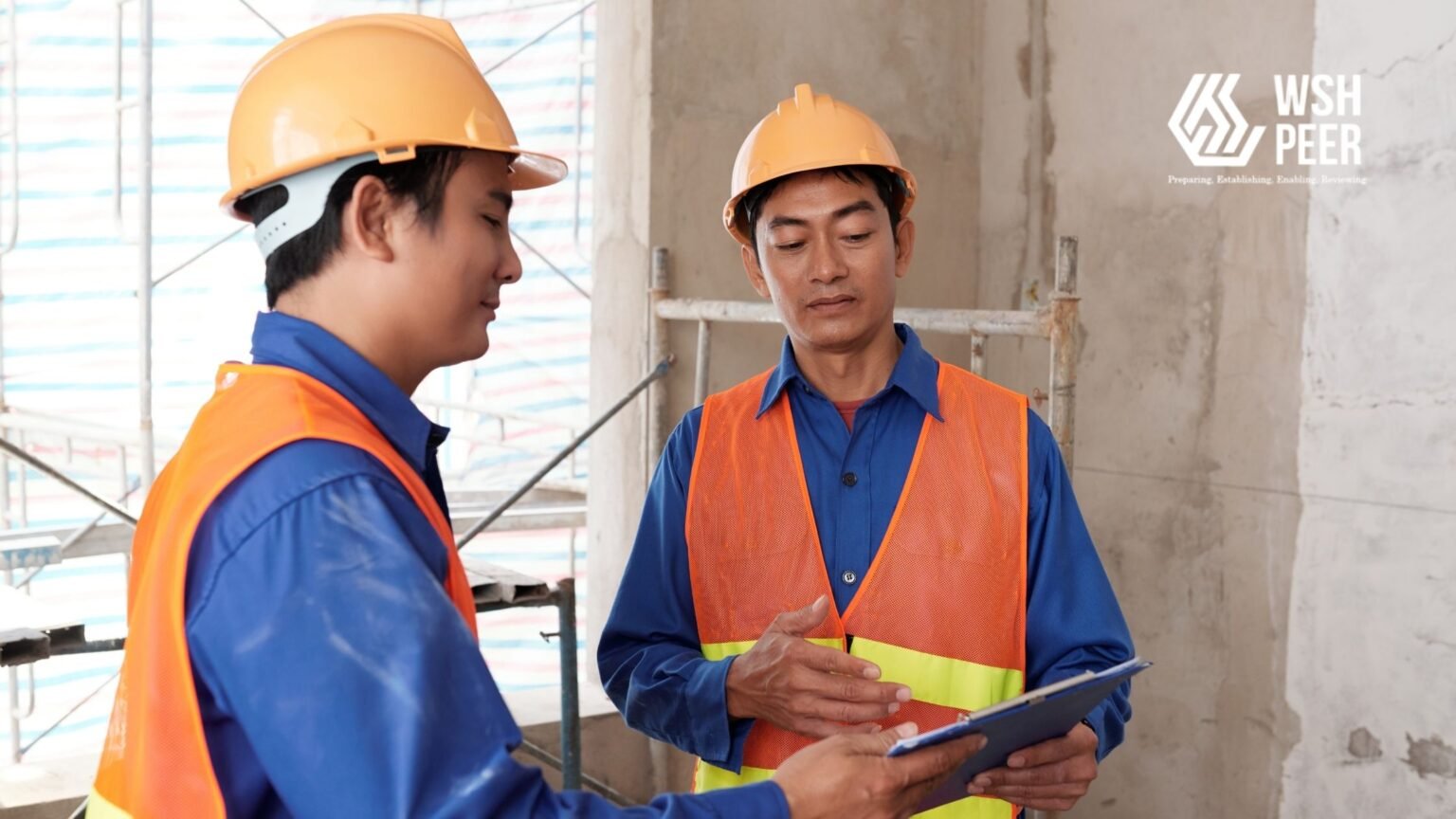
Safety inspections are one of the most widely used tools for identifying workplace hazards.
However, the effectiveness of an inspection often depends on the skills and competency of the person conducting it.
Even with well-designed checklists and inspection procedures, untrained inspectors may overlook critical risks, misclassify hazards, or fail to document findings correctly.
As workplaces become more complex, organizations increasingly recognize that safety inspection training plays a crucial role in improving inspection effectiveness.
For companies in Singapore operating across multiple projects and high-risk environments, investing in inspection competency is essential.
The Difference Between Checking and Inspecting
Many people assume inspections simply involve completing a checklist.
In reality, effective inspections require much more than that.
A trained inspector must be able to:
- identify hidden or emerging hazards
- understand operational risks
- evaluate unsafe behaviors or conditions
- determine the severity of potential incidents
Without proper training, inspections may become routine tasks that focus only on visible issues while missing more complex risks.
Inspection training helps safety professionals move beyond basic checklist completion toward structured hazard recognition and risk evaluation.
Common Gaps in Inspection Capability
Organizations often encounter several capability gaps when inspections are conducted without structured training.
1. Weak Hazard Identification
Inexperienced inspectors may only detect obvious hazards while overlooking systemic safety issues.
For example:
- poor workflow design
- unsafe work practices
- inadequate risk controls
Training improves the ability to recognize both direct and indirect safety risks.
2. Inconsistent Inspection Quality
Without standardized training, inspections can vary greatly depending on the individual inspector.
This creates inconsistencies in reporting, risk assessment, and follow-up actions.
Inspection training ensures that all inspectors apply the same principles and standards during site inspections.
3. Poor Documentation Practices
Inspection findings must be clearly documented in order to support corrective actions and compliance requirements.
Training helps inspectors learn how to properly:
- record findings
- categorize hazards
- prioritize corrective actions
- communicate risks effectively
How Training Strengthens Safety Inspection Systems
When combined with digital inspection tools, structured training significantly enhances safety management.
Inspection training enables organizations to:
- improve hazard detection accuracy
- increase inspection consistency across teams
- strengthen accountability in safety processes
- support data-driven safety decision making
Trained inspectors are also better equipped to collaborate with operational teams, making safety improvements more practical and sustainable.
Preparing Inspection Teams for the Future
As industries adopt digital inspection platforms, the role of inspectors is evolving.
Inspectors are no longer just data collectors they are becoming risk evaluators and safety advisors.
To support this shift, organizations should invest in:
- structured safety inspection training
- digital inspection tools
- continuous improvement programs
These elements together help organizations build a stronger and more proactive safety culture.
Curious for more insights? Why Construction Safety Training Must Be Digitized in High-Risk Projects
Conclusion
Safety inspections remain one of the most important tools for preventing workplace incidents.
However, inspections are only as effective as the people conducting them.
By investing in safety inspection training, organizations can improve hazard identification, increase inspection consistency, and strengthen overall safety performance.
For companies managing complex operations across multiple worksites, training inspection teams is a critical step toward building a more resilient safety management system.
Enhance your team’s inspection capability with PEER Safety Inspection Training.
This training program helps safety professionals improve hazard identification, inspection consistency, and inspection reporting using modern inspection practices
