

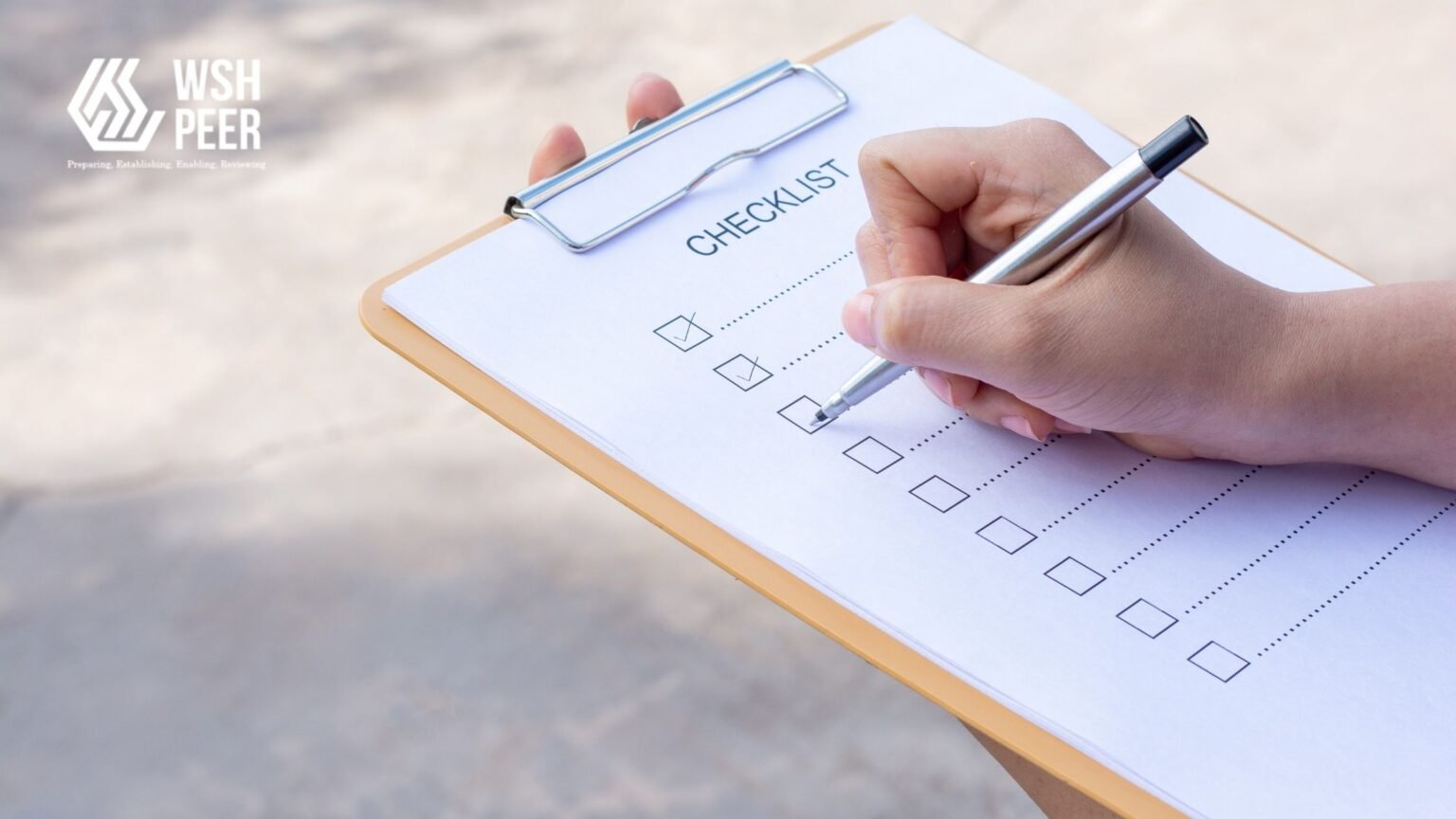
Most companies in Singapore already have a boom lift and scissor lift checklist.
But here’s the real question:
Are your teams trained to understand what those checklists actually mean?
A checklist is only as effective as the person using it.
Without proper training, inspections become:
- Mechanical
- Inconsistent
- Ineffective
And that’s where risks start to build.
The Gap Between Checklist and Competency
Many organizations assume:
“We have a checklist, so we are compliant.”
But compliance does not equal competence.
Common gaps include:
- Inspectors don’t understand risk severity
- Teams overlook early warning signs
- Supervisors cannot validate inspection quality
👉 Related insight: From Near Miss to Fatality: Common Failures in Safety Inspection Systems
(Internal linking anchor: common failures in safety inspection systems)
Why Training is Critical in Lift Equipment Safety
1. Understanding Equipment Behavior
Boom lifts and scissor lifts are dynamic equipment.
Training helps teams:
- Identify abnormal movements
- Detect hydraulic issues early
- Understand load limits and stability risks
2. Improving Hazard Identification Skills
A checklist may say “check guardrails” but training teaches:
- What a compromised guardrail looks like
- When it becomes critical
- What immediate actions are required
3. Standardizing Inspection Quality
Training ensures:
- All inspectors follow the same standard
- Findings are consistent
- Reports are reliable
This is especially important in Singapore, where audit expectations are high.
Curious for more insights? Why Construction Safety Training Must Be Digitized in High-Risk Projects
Building Inspection Excellence Through Training
With the right training program, your team can:
- Move beyond checklist dependency
- Develop critical thinking in inspections
- Improve response to real-world risks
From Operator to Risk Assessor
Instead of just “checking,” your team becomes:
- More proactive
- More analytical
- More safety-driven
This shift is what separates average companies from industry leaders.
