

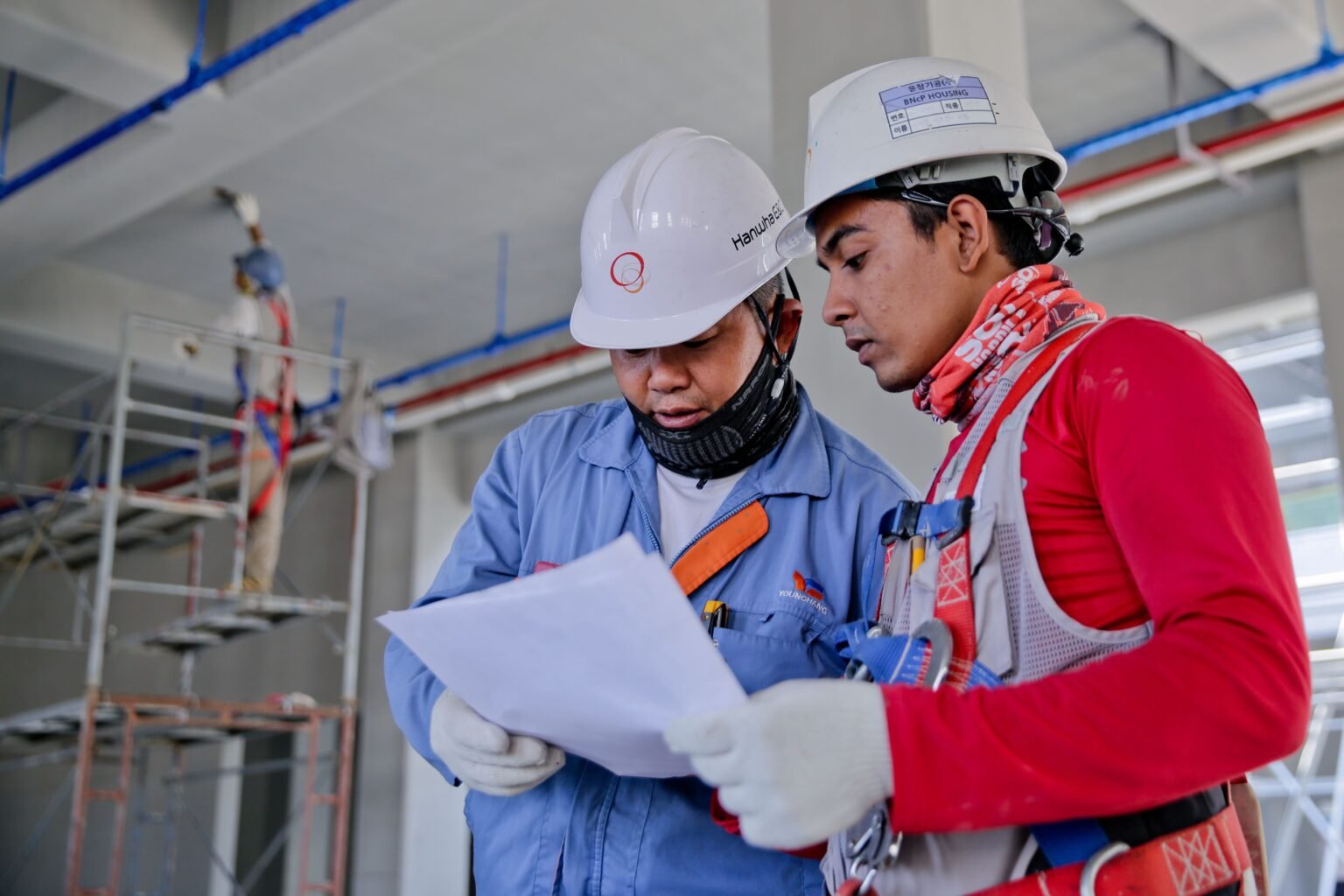
A harness that looks fine from a distance can still fail. Webbing weakened by UV exposure, a lanyard with a partially deployed shock absorber, or a corroded snap hook are all defects that only show up on close inspection — and all of them can turn a survivable fall into a fatal one.
That is why a documented fall protection equipment checklist is a requirement, not a formality. This guide covers what to inspect, how often, and how to keep the records auditable.
Who Inspects, and How Often
Fall protection equipment is typically subject to two levels of inspection:
- Pre-use inspection, carried out by the user before every single use. Quick, visual, and hands-on.
- Periodic inspection, carried out by a competent person at defined intervals — commonly every six or twelve months depending on manufacturer guidance and site risk.
Both need to be recorded. A pre-use inspection that is never documented provides no evidence that it happened, which matters both for compliance and for any investigation following an incident.
Fall Protection Equipment Checklist: What to Inspect
Full Body Harness
- Webbing — cuts, frays, burns, chemical staining, or fading from UV exposure
- Stitching — pulled, broken, or missing threads, particularly at load-bearing points
- D-rings — cracks, distortion, sharp edges, or corrosion
- Buckles and adjusters — function smoothly, no deformation or missing parts
- Labels — manufacturer, serial number, and date of manufacture still legible
Lanyards and Shock Absorbers
- Shock absorber pack intact and not partially deployed
- Rope or webbing free of cuts, abrasion, or knots
- Splices and terminations secure
- Warning flag or indicator not activated
Connectors, Snap Hooks, and Carabiners
- Gates close and lock automatically without sticking
- No cracks, corrosion, or distortion in the body
- Locking mechanism engages fully
Anchor Points
- Structural integrity verified and rated for the intended load
- No corrosion, cracking, or loosening at the fixing
- Certification and load rating documented and available on site
Self-Retracting Lifelines (SRLs)
- Lifeline extends and retracts smoothly without hesitation
- Braking mechanism engages under a sharp pull test
- Housing undamaged and inspection tag current
The Rule That Matters Most
If any item on this checklist fails, the equipment must be removed from service immediately and tagged so it cannot be picked up and used by someone else. Equipment that has arrested a fall should be permanently removed from service regardless of how it looks — the forces involved may have caused damage that is not visible.
This sounds obvious, but it is the step most often skipped. A harness set aside “for now” without a tag frequently finds its way back into the equipment store within a week.
Where Paper Records Break Down
Three failures show up repeatedly:
- Defects noted but not tracked. A worker reports frayed webbing, but no one owns the follow-up, so the same harness passes inspection again the next day.
- No link between equipment and worker. When a batch of harnesses from one supplier is recalled, there is no quick way to identify who is using them.
- Records unavailable at audit. Inspection logs sit in a site office binder that is difficult to search and easy to lose.
Digitising the Checklist
Running fall protection inspections through a digital system addresses each of these directly. Each inspection is time-stamped, defects automatically generate a tagged corrective action with an owner and due date, and the full inspection history for any individual harness or lanyard — identified by serial number — can be retrieved in seconds.
The most practical starting point is to digitise one equipment category first, confirm the workflow suits how your teams actually work, then extend it to the rest of the PPE inventory.
For a broader view of how this fits into a structured programme, read our guide on building a robust working at height programme, or see the related MEWP inspection checklist for elevated work platforms.
