

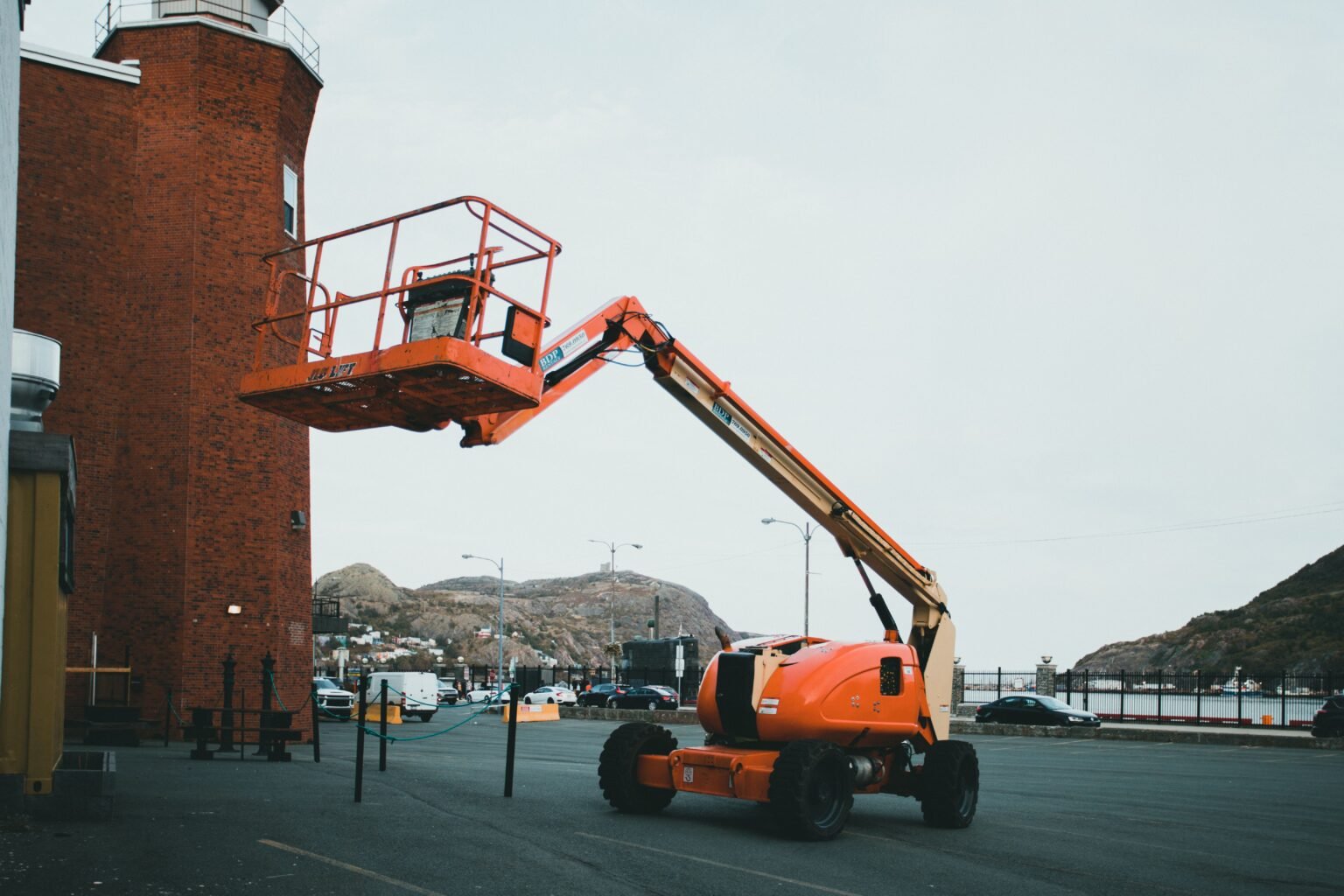
A missed defect on a boom lift or scissor lift is one of the most common causes of fall-from-height incidents on Singapore worksites. That is why a thorough MEWP inspection checklist is not just a compliance formality — it is the first line of defence before any elevated work platform goes into service each day.
This guide covers what a proper MEWP inspection checklist should include, how it fits into Singapore’s Work at Heights requirements, and how digitising it closes the gaps that paper checklists tend to leave open.
Why a MEWP Inspection Checklist Matters in Singapore
Mobile Elevating Work Platforms — boom lifts, scissor lifts, and vertical mast lifts — are used across construction, facade maintenance, and building services work throughout Singapore. Under the Workplace Safety and Health (Work at Heights) Regulations, employers are required to ensure lifting equipment used for work at height is properly inspected, maintained, and only operated by trained personnel, with MOM issuing specific safety circulars on the safe use of MEWPs to remind duty-holders of these obligations.
A pre-use inspection checklist is the practical tool that turns this regulatory obligation into a daily routine that operators and supervisors can actually follow.
What a Proper MEWP Inspection Checklist Should Cover
A complete MEWP inspection checklist generally covers four areas:
- Structural and mechanical condition — chassis, boom or scissor arms, welds, hydraulic hoses, and outriggers checked for visible cracks, leaks, or damage.
- Safety devices — interlocks, emergency lowering controls, tilt alarms, and guardrails confirmed to be functional and not bypassed.
- Operational controls — platform controls, ground controls, and emergency stop tested before the platform is used.
- Documentation — operator competency (WSQ certification where applicable), last maintenance date, and load chart all verified and on hand.
Skipping any one of these areas is how equipment with a known fault ends up back in service — usually because the inspection was rushed or recorded from memory after the shift, rather than at the platform itself.
Where Paper Checklists Break Down
Paper-based MEWP inspection checklists tend to fail in three predictable ways:
- Faults get noted but not tracked. An operator flags a hydraulic leak, but there is no clear record of who was responsible for following up, so the same platform is signed off again the next day.
- Checklists get filled in after the fact. A supervisor completes several days of checklists at once from memory, which defeats the purpose of a pre-use inspection entirely.
- Records are hard to produce during an audit. When MOM or an internal auditor asks for a specific platform’s inspection history, paper records scattered across site offices take time to locate — if they still exist at all.
How Digitising the Checklist Closes These Gaps
Running the MEWP inspection checklist through a digital platform such as PEER addresses each of these failure points directly:
- Each inspection is time-stamped and geotagged, so a checklist cannot realistically be backfilled from memory.
- A flagged defect automatically creates a corrective action item with an owner and due date, so it is tracked until it is closed, not just noted and forgotten.
- Inspection history for any individual platform is searchable in seconds, ready to produce the moment an auditor asks for it.
This same approach extends naturally to other lifting and work-at-height equipment beyond MEWPs, including scaffolding and fall protection equipment, which face similar inspection and documentation demands on site.
Getting Started
If your current MEWP inspection process still relies on paper forms or scattered spreadsheets, the most practical first step is digitising the checklist for one equipment category before expanding to the rest of the fleet. This keeps the rollout manageable while giving supervisors and MOM auditors a clear, searchable record from day one.
For a broader view of how a structured working at height programme fits together, read our guide on building a robust working at height programme, or see our 12-point buyer’s checklist for HSE inspection software before choosing a platform to run your checklists on.
