

This training course provides a comprehensive understanding of flammable materials, focusing on their safe management, storage, and handling. Designed to enhance workplace safety, the course covers essential concepts, regulatory requirements, and practical techniques to prevent fire incidents and ensure compliance.
Participants will first explore the scope, objectives, and legislation relevant to flammable materials. This foundational knowledge helps align safety practices with legal standards while promoting a safer work environment.
The course delves into the basics of fire, covering key definitions, how fires occur, and the different types of fire. By understanding these principles, participants gain insight into fire behavior and how to minimize risks.
A significant focus is on fire risk assessments, teaching participants how to identify hazards, evaluate risks, and implement effective control measures. Practical steps to mitigate risks are emphasized to help workplaces remain secure.
Participants will learn about fire prevention methods and detection systems, as well as control techniques to reduce the likelihood of fire incidents. These strategies ensure that workplaces are well-equipped to handle potential risks.
The course also provides guidance on the safe storage of flammable materials, including the importance of maintaining separation distances and proper hazard communication. Participants will understand how to organize storage areas effectively to reduce dangers.
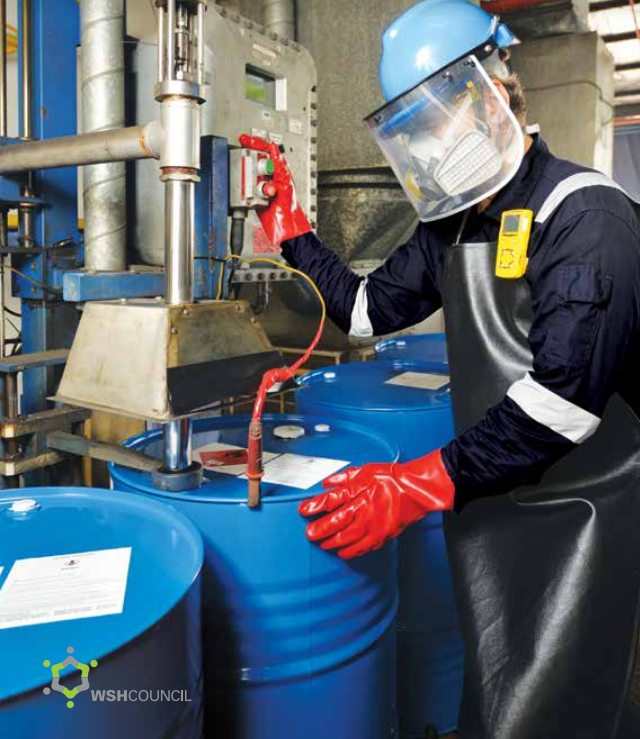
Proper handling techniques for flammable materials, whether in bulk or smaller quantities, are highlighted. These methods help prevent accidents and promote safe practices in daily operations.
Additionally, participants will gain knowledge of disposal methods for flammable materials, ensuring compliance with regulations and environmental standards.
Emergency preparedness is another critical area of focus. The course covers the development of response plans, fire evacuation strategies, and spill control measures to minimize harm during emergencies.
A section on burn injuries provides participants with essential first-aid skills and treatment approaches for different types of burns. This knowledge can make a crucial difference in mitigating injuries.
Finally, the course includes real-life fire case studies to provide practical insights and lessons learned. These examples offer valuable context, demonstrating how safety measures can prevent incidents or reduce their impact.
By the end of the training, participants will be well-equipped to manage flammable materials safely and efficiently, enhancing workplace safety and compliance.