
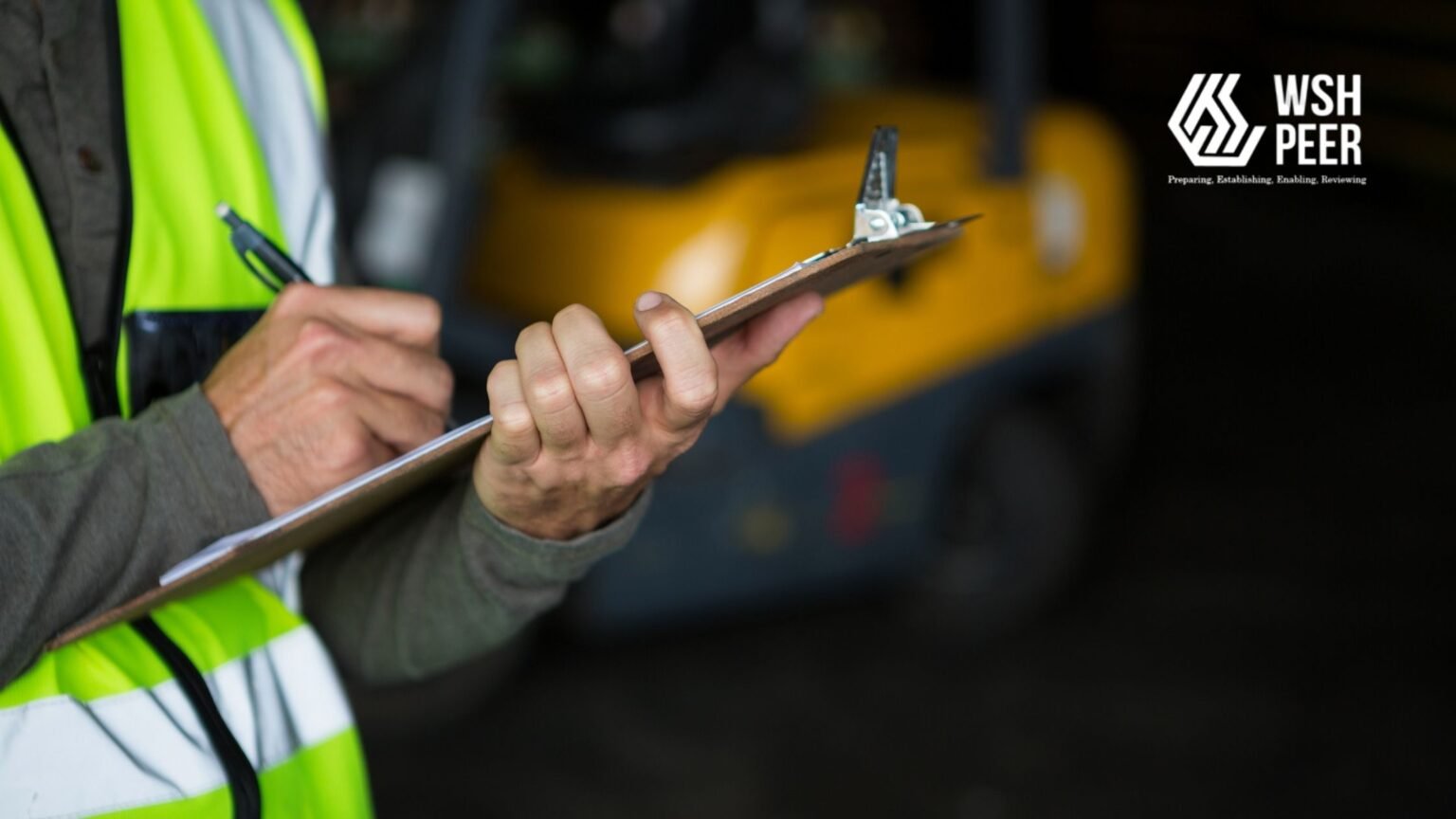
Many companies in Singapore still rely on manual safety inspections.
In many organizations across Singapore, safety inspections are conducted regularly as part of workplace safety and health management. These inspections are meant to identify hazards early, prevent incidents, and ensure compliance with regulatory requirements.
However, despite regular inspections, some organizations still face recurring safety issues.
The problem is often not the frequency of inspections but the quality and consistency of those inspections.
Kapan inspeksi processes vary between teams, sites, or supervisors, critical safety risks can go unnoticed. Reports may be incomplete, follow-up actions delayed, and valuable safety data lost.
Improving safety inspection quality is therefore a critical step toward strengthening overall safety performance.
Why Inspection Quality Matters More Than Inspection Frequency
Many companies measure safety performance by the number of inspeksi conducted each month.
While inspection frequency is important, it does not automatically guarantee effective risk control.
An inspection is only valuable if it leads to:
- Accurate hazard identification
- Proper documentation
- Clear corrective actions
- Timely follow-up
If inspections are rushed or inconsistent, organizations may develop a false sense of security.
For example, a site may complete hundreds of inspections each year but still experience repeated safety issues because underlying risks were not properly identified or addressed.
High-quality inspections focus on meaningful risk detection, not just checklist completion.
Common Challenges in Workplace Safety Inspections
Across industries such as construction, manufacturing, logistics, and energy, safety teams often face similar challenges when conducting inspections.
1. Inconsistent Inspection Standards
Different supervisors may interpret inspection criteria differently.
Without standardized digital checklists or inspection frameworks, the quality of inspections can vary significantly between teams.
This inconsistency makes it difficult to compare safety performance across projects or departments.
2. Poor Documentation and Data Visibility
Many organizations still rely on manual inspection processes such as paper checklists and spreadsheets.
These methods often result in:
- incomplete reports
- missing photos or evidence
- difficulty tracking corrective actions
More importantly, manual systems make it hard for safety leaders to analyze trends across multiple worksites.
3. Delayed Corrective Actions
Even when hazards are identified, corrective actions are sometimes delayed because communication between teams is slow.
Without clear tracking systems, organizations may struggle to answer key questions such as:
- Who is responsible for resolving the issue?
- Has the issue been closed?
- How long did it take to resolve?
The Role of Digital Systems in Inspection Quality
Modern safety management increasingly relies on digital inspection systems to improve inspection quality and accountability.
A well-structured inspection platform helps organizations:
- standardize inspection checklists
- capture evidence such as photos and notes directly from site
- assign corrective actions instantly
- monitor inspection results in real time
By centralizing inspection data, safety managers gain better visibility across multiple locations or projects.
This allows organizations to identify recurring safety risks and prioritize improvements more effectively.
Building a Sustainable Inspection System
Improving safety inspection quality requires more than just introducing new tools.
Organizations should focus on three key elements:
1. Standardized Inspection Frameworks
Every site should follow consistent inspection criteria and procedures.
2. Clear Accountability
Each inspection finding must have an assigned owner responsible for corrective action.
3. Continuous Data Analysis
Inspection data should be used to identify patterns and improve safety management strategies.
When these elements are combined with digital systems, inspections become more than routine compliance activities they become powerful tools for operational risk management.
Kesimpulan
For many organizations in Singapore, safety inspections are already a regular activity.
The next step is improving the quality, consistency, and impact of those inspections.
By standardizing inspection processes and leveraging digital tools, companies can transform inspections into a proactive safety management practice rather than a reactive reporting exercise.
Organizations that prioritize inspection quality are better equipped to prevent incidents, improve compliance, and build stronger safety cultures.
Want to streamline and standardize your safety inspections?
Temukan caranya PEER, digital inspection solutions help organizations manage inspections more efficiently while improving visibility across worksites.
Digitalisasi K3 di Tempat Kerja
Sederhanakan proses K3 Anda agar tetap patuh dan siap diaudit.Dapatkan Demo Gratis
