

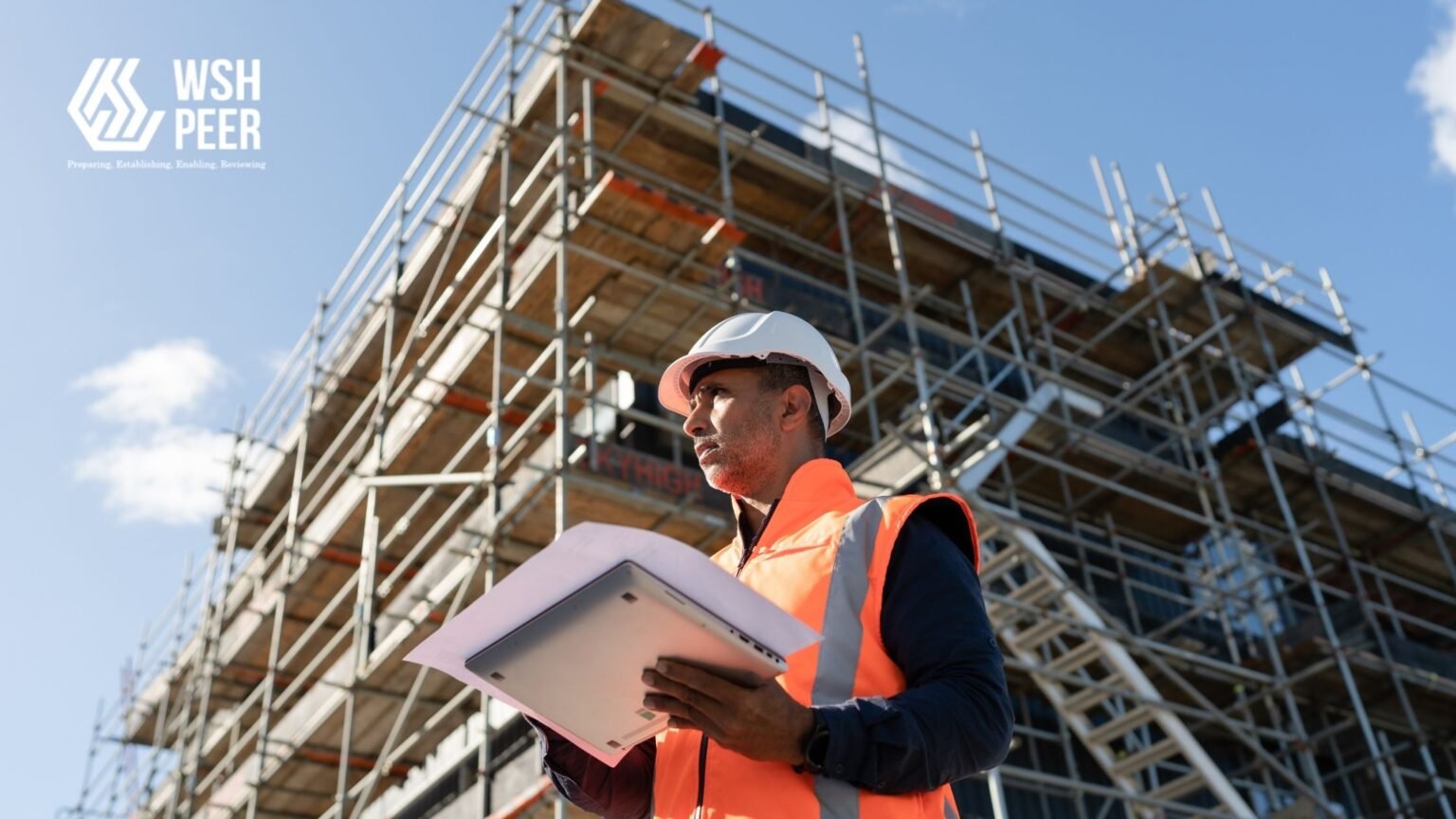
The construction industry in Singapore operates under some of the most rigorous safety regulations in the region. With large infrastructure developments, high-rise buildings, and complex engineering projects constantly underway, maintaining workplace safety is not only a legal requirement but also a critical operational priority.
Under Singapore’s Workplace Safety and Health (WSH) framework, construction companies are expected to actively identify hazards, monitor risks, and implement preventive measures to protect workers. One of the most effective ways to achieve this is through regular safety inspections on konstruksi sites.
Safety inspections allow supervisors and safety officers to identify unsafe conditions before they lead to accidents. Whether it is improper scaffolding, missing guardrails, electrical hazards, or unsafe work practices, inspections play a crucial role in maintaining a safe working environment.
However, while inspections are essential, the method used to conduct and manage inspections can significantly affect their effectiveness.
Many construction companies still rely on traditional paper checklists or spreadsheet-based inspeksi records. Although these methods may seem sufficient at first, they often create operational challenges that slow down safety management and audit readiness.
Challenges of Manual Safety Inspections in Construction
Manual inspection processes may appear straightforward, but they introduce several inefficiencies that can impact safety performance and compliance.
Paper-Based Checklists Slow Down Reporting
On many construction sites, inspectors still use printed forms to record observations during safety walks. After the inspection is completed, these records often need to be manually transferred into reports or digital systems.
This extra step takes time and increases the risk of data errors. In busy construction environments, delays in reporting can also mean that safety issues are not addressed as quickly as they should be.
Difficulty Tracking Safety Findings Across Multiple Sites
Construction companies frequently manage multiple projects at the same time. When inspection data is scattered across paper forms, emails, and spreadsheets, it becomes difficult for safety managers to maintain a clear overview of safety performance across all sites.
Without centralized data, tracking recurring hazards or monitoring corrective actions becomes challenging.
Limited Visibility for Management
Senior management and project leaders often need quick access to safety information when preparing for audits or safety reviews. Manual inspection systems make it harder to generate reports or analyze trends in real time.
As a result, safety management becomes reactive rather than proactive.
How Digital Safety Inspection Systems Transform Construction Safety
Digital safety inspection systems are changing how construction companies manage site inspections.
Instead of relying on paper forms, inspectors can use mobile devices to complete inspection checklists directly on site. The data is then instantly uploaded into a centralized platform, making it accessible to safety teams and management.
Real-Time Data Collection from Site Inspections
With digital inspection tools, safety officers can capture photos, record observations, and assign corrective actions immediately during the inspection.
This real-time data capture ensures that safety information is accurate and immediately available for follow-up.
Automated Reporting for Faster Safety Reviews
One of the biggest advantages of digital inspections is automated reporting. Instead of compiling reports manually, the system can generate inspection reports instantly.
This makes safety meetings, internal reviews, and regulatory audits much easier to prepare.
Centralized Safety Records for WSH Audits
Construction companies in Singapore must demonstrate compliance with safety regulations during audits. A digital inspection platform provides a structured record of inspections, findings, and corrective actions.
Having centralized safety records ensures that companies can easily present documentation when required.
In addition to technology, however, the effectiveness of inspections still depends heavily on the competency of the inspectors themselves.
Construction supervisors and safety officers must have strong hazard identification and inspection skills to ensure that risks are properly identified during inspections.
To build these competencies, organizations often invest in specialized safety inspection training for their site teams. Developing strong inspection skills can significantly improve the quality of safety observations on site.
If you’re interested in strengthening the capabilities of your inspection teams, you can also explore this guide on safety inspection skills for construction supervisors, which explains the key competencies required for effective inspections.
Key Features to Look for in a Construction Safety Inspection System
When selecting a digital inspection solution, construction companies should consider several important features.
Mobile Inspection Checklists
Inspectors should be able to conduct inspections easily using mobile devices on site. This ensures that inspections remain practical and efficient even in fast-moving construction environments.
Corrective Action Tracking
A good system should allow inspectors to assign corrective actions directly from inspection findings. This ensures that hazards identified during inspections are followed up promptly.
Safety Analytics and Reporting
Safety managers should be able to analyze inspection trends, identify recurring hazards, and monitor safety performance across multiple projects.
This type of insight helps organizations make better safety decisions.
Improving Construction Safety Performance with Digital Inspections
Digital inspection systems help construction companies shift from reactive safety management to a more proactive and data-driven approach.
By capturing inspection data in real time, tracking corrective actions, and maintaining centralized records, organizations can significantly improve both operational efficiency and regulatory compliance.
For companies operating in Singapore’s highly regulated construction environment, digital inspections are quickly becoming an essential component of modern safety management.
However, technology alone is not enough. The success of any inspection system ultimately depends on the knowledge and capability of the people conducting the inspections.
Organizations that combine digital inspection tools with strong safety inspection training are better positioned to identify hazards early, reduce workplace incidents, and maintain compliance with Singapore’s Workplace Safety and Health standards.
Digitalisasi K3 di Tempat Kerja
Sederhanakan proses K3 Anda agar tetap patuh dan siap diaudit.Dapatkan Demo Gratis
