

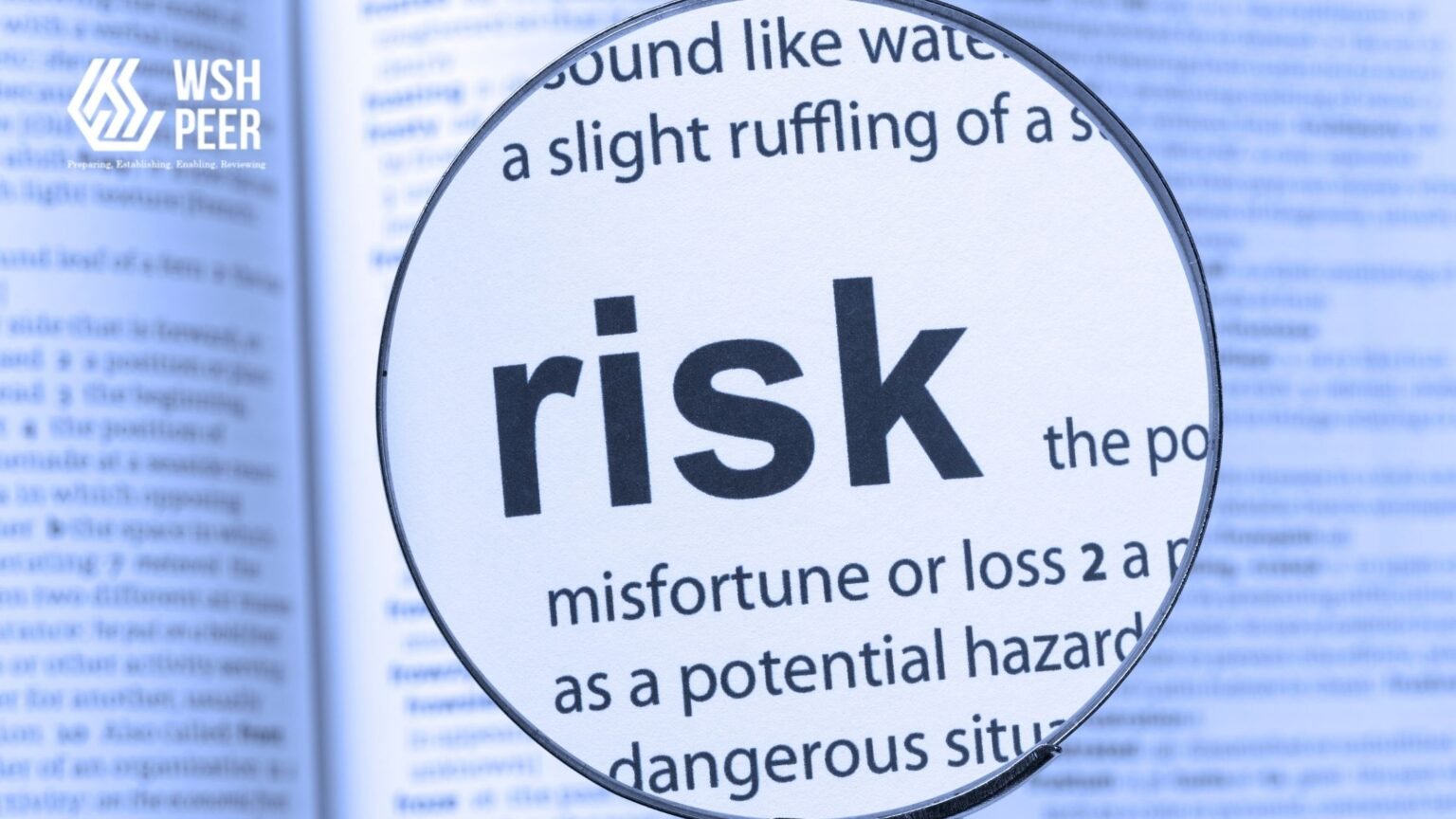
Mengelola Risiko dalam Logistik: Peran PEER dalam Keselamatan di Tempat Kerja
Imagine a bustling port at dawn. Cranes begin to move, containers shift, and ships prepare to leave the dock. Everything appears to be part of a routine. Yet, beneath this structured rhythm lies a constant variable—risk. In the logistics industry, risiko is not an anomaly; it is the default setting. At PT Salam Pacific Indonesia Lines (SPIL), the approach to risk has evolved from a defensive stance to a proactive integration within operational systems.
The Complexity of Modern Logistics
Today’s logistics chain is far more intricate than it was a decade ago. It involves multiple nodes (ports, ships, warehouses, ground distribution), multiple stakeholders (operators, vendors, regulators, customers), and various variables (weather, port congestion, infrastructure conditions). In such a system, even a minor delay can trigger a domino effect. Companies that still rely on a reactive approach—waiting for problems to arise before taking action—will inevitably fall behind.
Proactive Risk Management
SPIL has adopted a different stance: risk must be anticipated, monitored, and integrated into workflows. Many companies still view Keselamatan Kerja dan Health (WSH) as a daftar periksa: SOPs are in place ✔, PPE is available ✔, audit pass ✔. However, SPIL pushes for a deeper level: a keamanan culture. This approach aligns with global standards such as ISO 45001, which not only governs procedures but also emphasizes the integration of safety into business decision-making.
Safety as a Collective Responsibility
The implications of this shift are significant: safety is not the responsibility of a specific division but a collective duty across all levels. Operational decisions always consider risk factors, ensuring that targets remain important without compromising safety. This is evident in the field through consistent pelatihan, regular inspeksi, and disciplined use of personal protective equipment (PPE).
Efficiency Through Safety
There is a lingering mindset that states, “The stricter the procedures, the slower the operasi.” In reality, the opposite is true. In logistics, one accident equals operational delays. Delays lead to additional costs (demurrage, repairs, rescheduling), which erode margins and diminish trust. With a robust safety system, companies can minimize downtime, maintain stable service level agreements (SLAs), and reduce unexpected costs. Thus, WSH at companies like SPIL is not a cost center but a driver of efficiency.
Digital Transformation in Logistics
Significant changes in the logistics industry are not just about infrastructure; they also involve digitalization. SPIL is moving towards integration systems that enable real-time container pemantauan, tracking conditions (including parameters like temperature), and cross-modal visibility (sea, land, warehouse). This approach shifts decision-making from reactive, based on reports, to proactive, based on real-time data.
Consistency Across Operations
In the context of WSH, this is crucial. Many risks can be identified before they manifest. A common weakness in many logistics companies is inconsistency: strict safety measures at the port but lax standards in the warehouse, or discipline on ships but not in ground transportation. SPIL aims to close these gaps through an end-to-end approach: shipping, trucking, and warehousing are all executed under the same safety standards. This means risks are not “transferred” from one point to another but controlled throughout the journey.
A Paradigm Shift in Risk Management
SPIL’s approach reflects a significant shift in the industry: the old mindset viewed risk as something to be avoided, while the new mindset sees risk as something to be systematically managed. This principle applies not only to logistics but also to various industries, including manufacturing, energy, and even digital sectors. Companies that excel are those that possess visibility into risks, have clear mitigation systems, and maintain a consistent culture.
Preparedness in the Face of Uncertainty
In maritime logistics operations, uncertainty will never disappear. Weather will continue to change, ports will remain dynamic, and supply chains will stay complex. What sets successful companies apart is their preparedness. At SPIL, risks are not avoided; they are confronted, mapped, and managed as part of daily routines. This is where operational excellence is formed. Ultimately, it is not the safest who prevail but those most prepared to face risks.
To facilitate this proactive risk pengelolaan, organizations can leverage PEER,, a comprehensive WSH management system. With modules such as Personnel Management, PTW Management, Inspeksi, Asset, Quality Control, and Workflow, PEER, empowers organizations to streamline their safety processes and enhance compliance with health and safety regulations. By integrating PEER into their operations, companies can foster a culture of safety that is not only reactive but also anticipatory, ensuring that they are always one step ahead in managing risks.
