

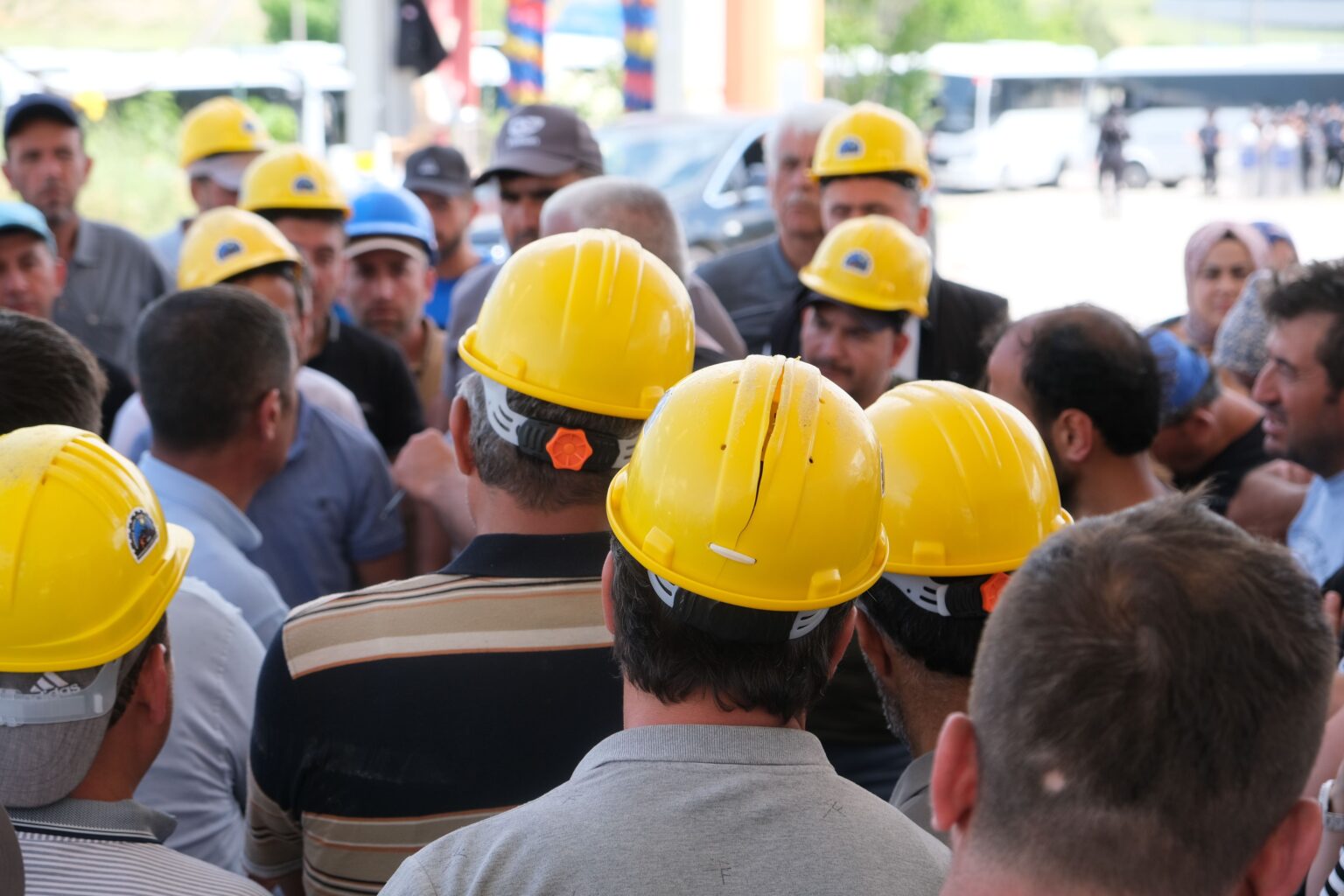
What is a toolbox meeting? A toolbox meeting is a short briefing held at the start of a shift, or before a specific task begins, to talk through the hazards, controls, and responsibilities for the pekerjaan ahead. It is also called a toolbox talk, keamanan talk, or pre-start briefing, and it usually takes place on the worksite rather than in a meeting room.
This guide explains what a toolbox meeting is, why it matters, how to run one, ten topic ideas, and how to record it so it counts as evidence rather than a formality.
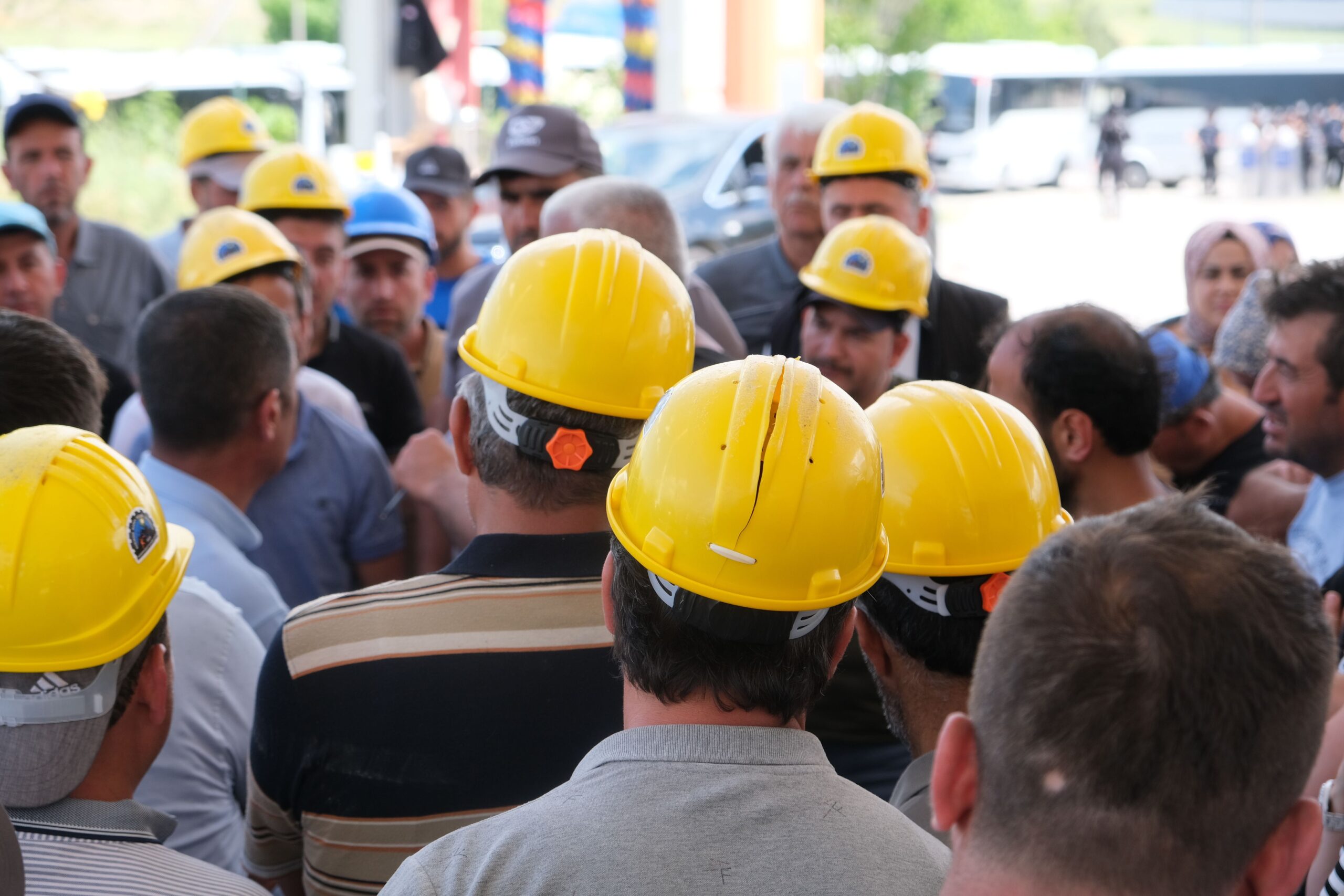
What Is a Toolbox Meeting? A Short Definition
The name comes from the habit of crews gathering around a toolbox before starting work. Today, toolbox meetings are used across konstruksi, manufacturing, mining, oil and gas, and logistics. The content is brief and specific: which hazards are present today, what must be done to control them, and who is responsible for what.
What separates a toolbox meeting from a general safety meeting is its focus. It covers the job that begins minutes later, so the information can be used straight away. So, what is a toolbox meeting at its best? A two-way conversation that leaves every worker clearer about the job than before.
Why Toolbox Meetings Matter
- They reset awareness of today’s hazards. Conditions change daily, including weather, work areas, and nearby activities.
- They align the crew. Everyone hears the same sequence of work, boundaries, and communication signals.
- They build speaking-up habits. Workers who are asked questions regularly are more likely to raise concerns early.
- They share lessons quickly. A recent near miss or finding can reach the whole crew the next morning.
- They create a record. Attendance and topics show that briefings took place.
When and How Long Should a Toolbox Meeting Be?
Many newcomers ask what is a toolbox meeting in practice, and how it differs from a normal morning briefing. The difference is relevance and timing. A toolbox meeting is typically held at the start of a shift or before higher-risk work, and it usually runs for 5 to 15 minutes. Work such as hot work, confined space entry, or work at height should always have a task-specific briefing, even if a general one has already been given.
Who Leads It and Who Attends?
The leader is usually the supervisor, foreman, or safety petugas polisi who knows the task best. Everyone involved in the work attends, including subcontractors. Good leaders ask more than they tell, for example: “What could go wrong with this job today?”
6 Steps to Run a Toolbox Meeting
- Choose a relevant topic based on today’s work or a recent finding.
- Gather the crew somewhere quiet and clear of vehicle or equipment traffic.
- Explain the hazards and controls in plain language, with a real example.
- Invite discussion. Give workers room to ask questions or add what they have seen.
- Check understanding with a question or two.
- Record it: topic, date, leader, and attendance.
10 Toolbox Meeting Topic Ideas
- Correct use of personal protective equipment (PPE)
- Bekerja di ketinggian and fall protection
- Housekeeping and walkway safety
- Electrical hazards and lockout/tagout
- Operating heavy equipment and keeping pedestrians clear
- Entri ruang terbatas
- Tergelincir, tersandung, dan jatuh
- Bahan kimia handling and reading labels
- Heat stress and staying hydrated
- Reporting near misses and unsafe conditions
Choose topics based on the risks of that week’s work rather than simply rotating through a list. Repeating the same topic day after day quickly trains people to tune out.
What to Record After a Toolbox Meeting
A good record is short but complete. At minimum, capture:
- Date, time, and location
- Topic discussed
- Name of the person who led it
- Attendance, with signature or confirmation
- Questions or concerns raised
- Follow-up actions and who owns them
Common Toolbox Meeting Mistakes
Once you understand what is a toolbox meeting meant to achieve, these are the mistakes to avoid:
- Reading from a script. The crew is not engaged and forgets quickly.
- Running too long. Past 15 minutes, attention drops.
- Signing attendance without holding the meeting. This destroys trust and is worthless in an investigation.
- No follow-up. Concerns are noted and then never answered.
What Is a Toolbox Meeting? FAQs
What is a toolbox meeting and how is it different from a safety meeting?
A toolbox meeting is short, held at the worksite, and covers the work about to start. A safety meeting is usually longer, scheduled periodically, and covers performance, policy, and review.
What is a toolbox meeting versus a safety induction?
A safety induction is given to new workers or visitors and covers general site rules. A toolbox meeting happens routinely and focuses on the work currently under way.
How often should toolbox meetings be held?
Commonly at the start of each shift, plus before any higher-risk task. Frequency should follow the risiko of the work.
Can toolbox meetings be recorded digitally?
Yes. The meeting itself still happens in person at the worksite, but topics, attendance, and photos can be logged on a phone and stored centrally, which makes them far easier to search during an audit.
Making Toolbox Meetings Count
Knowing what is a toolbox meeting is the easy part; making it a daily habit is what protects people. Paper attendance sheets get lost and are hard to search. Recording each meeting digitally keeps topics, attendance, and follow-up actions together, and lets you assign actions straight to the right person. For more practical guidance, read steps to organize a successful toolbox meeting dan how to enhance toolbox meetings for effective workplace safety. To see how pelatihan and competency records fit alongside daily briefings, see our guide to HSE training records and worker competency. For general occupational safety guidance, visit OSHA.
