


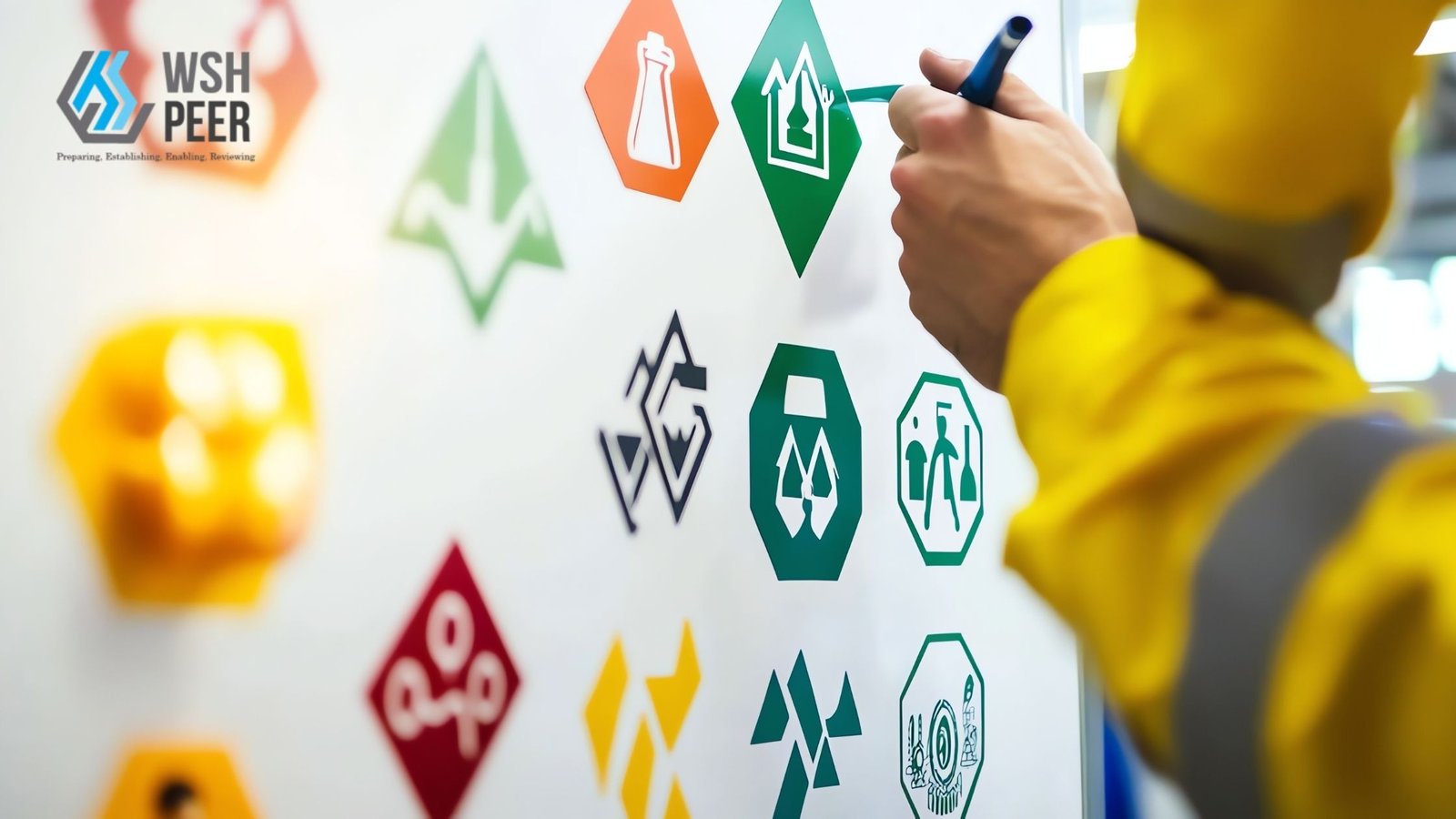

Integrating Green Safety into Workplace Safety and Health Management
In today’s rapidly evolving business landscape, sustainability is no longer a mere trend; it has become a new standard. Companies are now evaluated not just on their profitability but also on how they protect the environment, safeguard their employees, and manage their operations ethically and transparently. Within this context, the ESG (Environment, Social, Governance) framework emerges as a benchmark for corporate sustainability. However, Keselamatan Kerja and Health (WSH) is often viewed merely as a regulatory obligation. In reality, WSH plays a strategic role in reinforcing ESG implementation and serves as a foundational element for creating sustainable businesses.

The Emergence of Green Safety
The concept of Green Keselamatan arises as an integrative approach that combines WSH, environmental protection, and sustainability principles. Green Safety is a modern WSH approach that not only focuses on worker safety but also considers the operational impacts of a company on the environment and society. It emphasizes that business activities must be:
- Safe for workers
- Environmentally friendly
- Socially responsible
- Aligned with sustainable development goals
In essence, Green Safety acts as a bridge between conventional WSH practices and ESG principles.
Environmental Considerations
Under the environmental pillar, companies are tasked with minimizing negative impacts on nature, such as pollution, hazardous waste, and carbon emissions. WSH plays a crucial role through:
- Control of hazardous chemicals
- Management of hazardous waste
- Prevention of air and water pollution
- Use of environmentally friendly personal protective equipment (PPE)
- Efficient energy and resource management
Implementing good WSH practices automatically encourages more responsible and sustainable environmental management. For instance, in the konstruksi industry, using eco-friendly materials and ensuring proper waste disposal not only enhances worker safety but also reduces the environmental footprint.
Social Responsibility
The social pillar focuses on worker welfare, safety, human rights, and the company’s relationship with the community. WSH is central to this aspect through:
- Protection of worker safety and health
- Prevention of workplace accidents and occupational diseases
- Provision of a decent and humane working environment
- Safety education programs
- A caring and inclusive work culture
A low accident rate is a strong indicator that a company is fulfilling its social responsibilities effectively. For example, in the oil and gas sector, implementing rigorous safety protocols not only protects workers but also builds trust with local communities.
Governance and Compliance
In terms of governance, companies must ensure compliance with regulations, transparency, and effective risk management. WSH contributes through:
- Adherence to occupational safety regulations
- Documented and audited WSH management systems
- Transparent reporting of workplace accidents
- Risk-based decision-making
- Management accountability for workplace safety
Effective governance is essential for maintaining a healthy and integrity-driven corporate environment. For instance, manufacturing companies that maintain transparent safety reporting and compliance not only mitigate risks but also enhance their credibility with stakeholders.
The Benefits of Green Safety
Implementing Green Safety is not merely about compliance; it is a long-term strategy that offers numerous benefits, including:
- Reducing costs associated with workplace accidents
- Enhancing employee productivity
- Strengthening the company’s reputation with investors and the public
- Supporting the achievement of ESG targets
- Improving global competitiveness
Companies that seriously adopt Green Safety are generally better prepared to meet market demands, regulatory requirements, and climate change challenges.
Overcoming Challenges
Despite its advantages, companies often face challenges in implementing Green Safety, such as:
- Lack of management understanding of ESG
- The misconception that WSH is a cost rather than an investment
- Limited human resources and technology
- Insufficient inter-departmental integration
- Resistance to cultural change
However, these challenges can be addressed through education, leadership commitment, and strategic planning. For instance, utilizing a comprehensive WSH management system like PEER, can streamline processes across various modules such as Personnel Management, PTW Management, and Inspeksi, making it easier to integrate Green Safety principles into daily operations.
Kesimpulan
Green Safety is not just a concept; it is a vital foundation for building sustainable companies. Integrating WSH with ESG principles makes workplace safety an inseparable part of long-term business success. Companies that harmoniously combine safety, environmental stewardship, and governance will not only survive but thrive in an increasingly sustainability-focused era.