


Menavigasi Keselamatan di Tempat Kerja dalam Rantai Pasokan Global
In today’s interconnected world, the production of goods often spans multiple countries and continents. A single product may have its raw materials sourced from Africa, processed in Asia, assembled in Europe, and sold in America. While this global supply chain model enhances efficiency, it also introduces complex workplace safety and health (WSH) risks that can have far-reaching consequences.
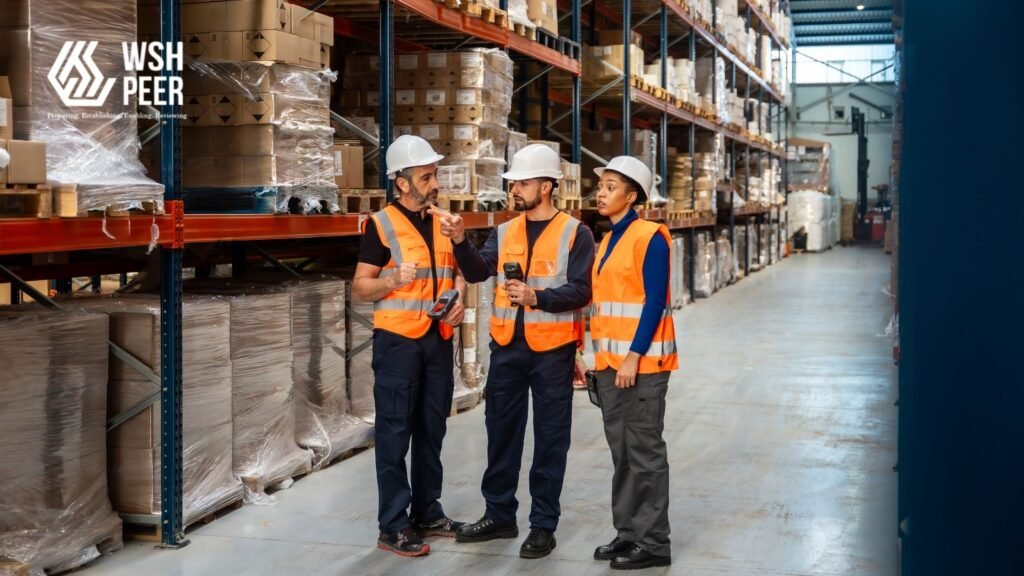
The Ripple Effect of Workplace Incidents
When a workplace accident occurs at any point in this intricate supply chain, the repercussions extend beyond the immediate location. Companies may face reputational crises, supply disruptions, legal challenges, and even a decline in global market value. Thus, WSH is no longer merely a technical issue; it has become a strategic imperative for businesses operating on a global scale.
Identifying Risks in the Supply Chain
Many organizations have historically focused on internal safety measures, often overlooking the significant risks that can arise from suppliers, particularly those in developing countries. Common issues include:
- Subpar safety standards compared to the company’s home country
- Excessive working hours leading to extreme fatigue
- Inadequate personal protective equipment (PPE)
- Unprotected machinery
- Insufficient safety training
- Poor workplace environment pemantauan
When serious accidents or labor exploitation occur, global brands are often held accountable, regardless of whether the incident took place at a partner facility. This highlights the necessity for a comprehensive approach to WSH that encompasses the entire supply chain.
Categories of WSH Risks
The risks associated with workplace safety in global supply chains can be categorized into several key areas:
- Human Risks: These include injuries, fatalities, occupational diseases, and psychological trauma among workers.
- Operational Risks: Disruptions in production, delays in delivery, facility shutdowns, and contract cancellations can arise from safety incidents.
- Legal and Compliance Risks: Companies may face cross-border legal sanctions, license revocations, and civil lawsuits.
- Reputational Risks: Consumer boycotts, loss of investor trust, and damage to brand image can occur following safety incidents.
Implementing Effective Safety Standards
To mitigate these risks, multinational corporations often require their suppliers to obtain specific WSH certifications. Some of the most recognized standards include:
- ISO 45001: This international standard for occupational health and safety management systems ensures that suppliers have robust systems for hazard identification, risiko assessment, incident investigation, and continuous improvement.
- SMETA and SEDEX: The Sedex Members Ethical Trade Audit focuses on ethical and safety audits within the supply chain, evaluating working hours, wages, facility safety, worker protection, and environmental practices.
- SA8000: This standard emphasizes human rights and decent working conditions, addressing forced labor, child labor, and hazardous work environments.
- Responsible Business Alliance (RBA): Commonly used in the electronics and technology sectors, RBA standards cover WSH, ethical labor practices, environmental considerations, and supply chain risk management.
The Role of Due Diligence
Due diligence is essential for companies to ensure that all supply chain partners comply with WSH and human rights standards. This process involves:
- Supply Chain Mapping: Understanding the entire supply chain, including suppliers down to the tier 3 level.
- Risk Assessment: Identifying countries, sectors, and activities with high accident rates.
- Regular Audits and Inspections: Conducting field audits, not just document reviews, to ensure compliance.
- Corrective Actions: Suppliers must address audit findings within specified timeframes.
- Continuous Monitoring: Implementing an ongoing process rather than a one-time audit.
As regulations increasingly mandate supply chain due diligence, companies can no longer claim that violations occur outside their operational purview. International regulations are pushing for greater accountability in WSH practices across supply chains.
Integrating PEER for Enhanced Compliance
To effectively manage these complexities, organizations can leverage PEER, a comprehensive WSH management system designed to ensure compliance with health and safety regulations. PEER’s modules—such as Personnel Management, PTW Management, Inspeksi, Asset Management, Quality Control, and Workflow—provide a structured approach to managing workplace safety across the supply chain.
For instance, the Personnel Management module can help track the safety training of workers across various tiers of suppliers, while the Inspection module ensures that safety audits are conducted consistently and thoroughly. By integrating PEER into their operations, companies can not only comply with safety standards but also foster a culture of safety that permeates their entire supply chain.
In conclusion, as we navigate the complexities of global supply chains, prioritizing workplace safety is essential. By adopting robust safety standards, implementing due diligence practices, and utilizing innovative solutions like PEER, companies can safeguard their workforce and enhance their reputation in the global market.
