

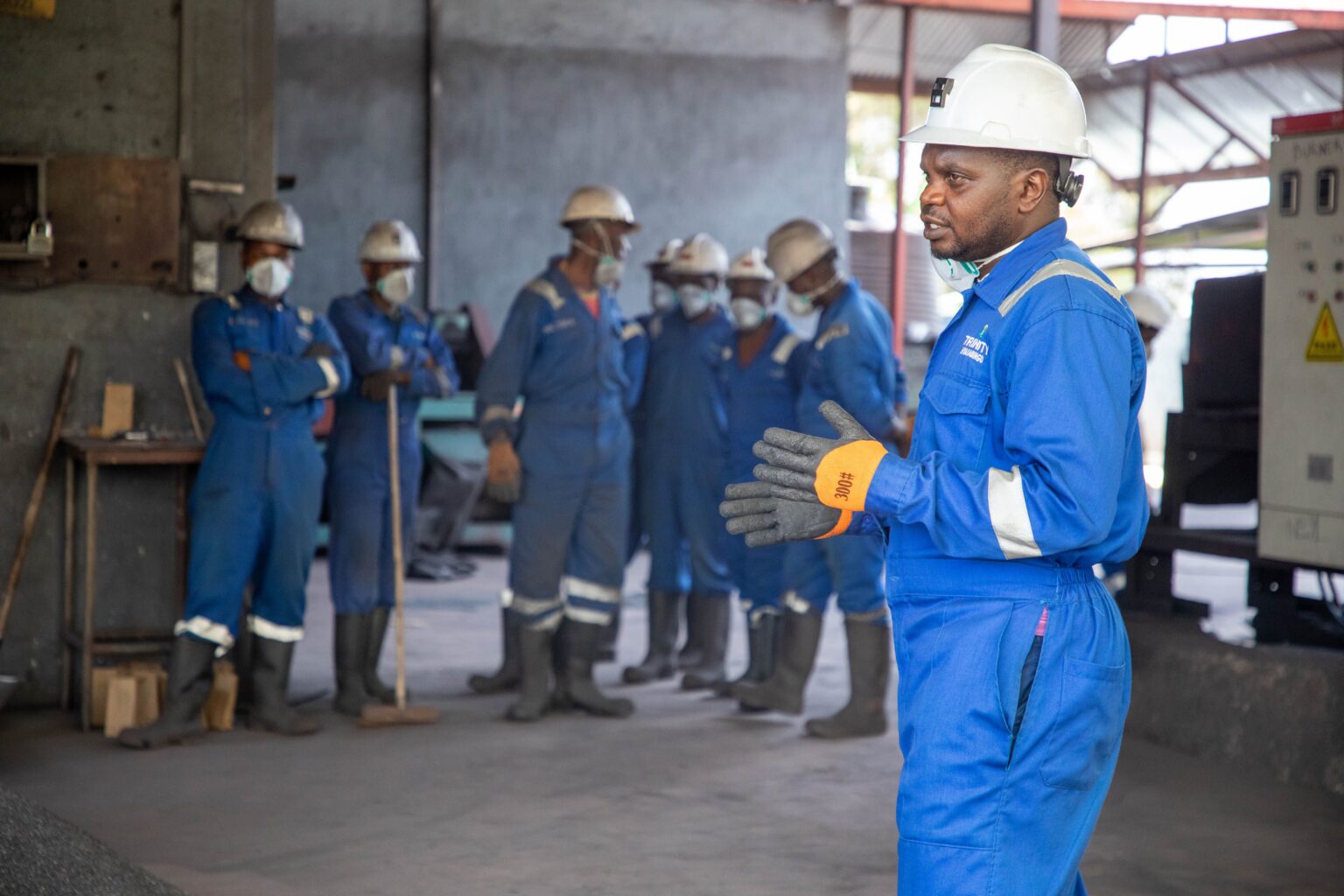
Keselamatan induction pelatihan is the first formal safety briefing a worker receives on a new site, and it sets the tone for everything that follows. A worker who walks onto site without knowing where the assembly point is, which areas are restricted, or how to report a bahaya adalah risiko to themselves and to the people around them, no matter how experienced they are.
This guide gives you a 10-point daftar periksa of what safety induction training should cover, how to deliver it, and what to record so it stands up to an audit.
What Is Safety Induction Training?
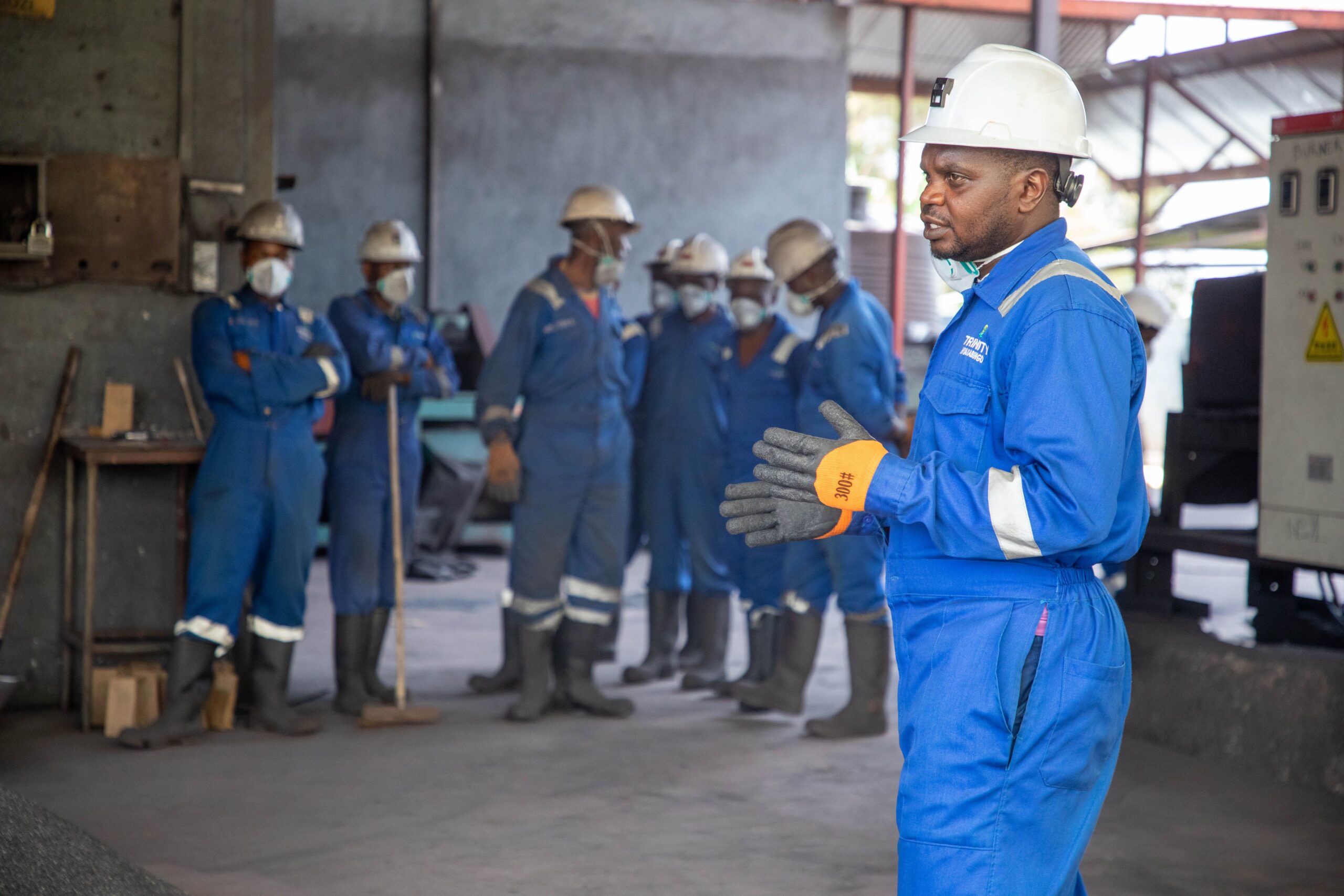
Safety induction training is a structured introduction to the safety rules, hazards, and emergency arrangements of a specific tempat kerja. It is given before a person starts pekerjaan, and it is specific to the site. A general safety course teaches broad principles. An induction tells someone what is dangerous here, today, and what to do about it.
Who Needs an Induction?
- New employees on their first day, before they begin any task.
- Kontraktor and subcontractors, including short-term crews, who often face the highest-risk tasks.
- Visitors who will enter operational areas, usually in a shorter form.
- Transferred workers moving to a different site, because hazards and rules differ between locations.
Safety Induction Training Checklist: 10 Things to Cover
- Safety policy and contacts. The company’s safety commitments and who to ask for help.
- Site layout and access. Entry points, walkways, restricted areas, and parking.
- Site-specific hazards. The main hazards present and how they are controlled, such as work at height, plant movement, or live electrical equipment.
- Emergency procedures. Alarms, evacuation routes, assembly points, first aid, and who to call.
- PPE requirements. What must be worn where, how it is issued, and how to report damaged items.
- High-risk work and permits. Which activities need a izin untuk bekerja and who authorises them.
- Reporting. How to report incidents, near misses, and unsafe conditions, and the right to stop work if something is unsafe.
- Vehicles and plant. Speed limits, pedestrian routes, and rules around heavy equipment.
- Housekeeping and substances. Waste handling, storage, and hazardous materials on site.
- Responsibilities and fitness for work. What is expected of each worker, including rules on fatigue, alcohol, and drugs.
Adapt the list to your own site. A warehouse and a konstruksi project share the structure but not the content.
How to Deliver Safety Induction Training
The format matters less than consistency. Whether you use an in-person briefing, a video, or e-learning, every person should receive the same core content in the same order. A common approach combines a short classroom or digital session for general content with a walk-through of the actual site for the parts that depend on location.
Keep it short enough to be absorbed. A long induction that tries to cover everything in one sitting leaves people remembering very little. Prioritise what could hurt someone on their first day.
Check Understanding, Not Just Attendance
Signing an attendance sheet proves someone was in the room. It does not prove they understood. A short set of questions at the end, covering emergency procedures, reporting, and the main hazards, shows whether the safety induction training worked. If someone cannot answer, repeat the relevant part before they start.
What Records to Keep
- Worker name and employer
- Date and trainer
- Version of the induction content delivered
- Assessment result, where used
- Signature or digital confirmation
- Date by which a refresher is due, if applicable
Recording the version of the content matters more than it seems. When site rules change, you need to know who received the old version and who needs the update.
When to Repeat or Refresh Induction
- When site conditions or rules change materially
- When a worker moves to a new area with different hazards
- After a serious incident that changes controls
- When someone returns after a long absence
Common Induction Mistakes
- Treating it as a formality. A rushed slideshow followed by a signature teaches nothing.
- Making it generic. Content copied from another site misses the hazards workers will actually meet.
- Skipping contractors. Short-term crews are often waved through, yet they carry significant risk.
- Losing the records. Paper sign-in sheets scatter across site offices and are hard to retrieve later.
Safety Induction Training FAQs
What is safety induction training?
It is a site-specific introduction to safety rules, hazards, and emergency procedures that every worker, contractor, and visitor receives before starting work.
Is safety induction training the same as a toolbox meeting?
No. Induction happens once, at the start, and covers general site rules. A toolbox meeting is a short, recurring briefing about the work happening that day. Read our guide on what a toolbox meeting is for the difference.
Do contractors need safety induction training?
Generally yes. Contractors should receive induction for the site they will work on, following the requirements of the site owner and the principal contractor.
Can safety induction training be done online?
General content can be delivered online. Parts that depend on the physical site, such as walking the emergency route, are best done on site.
Keeping Induction Records Under Control
Once induction is running, the challenge becomes tracking who has been inducted, on which version, and when refreshers fall due. Keeping these records digitally lets you search by person, site, or date, and ties naturally into wider training records. See our guides on HSE training records and worker competency dan HSE competency matrix, or learn why construction safety training fails without digital tracking. For general occupational safety guidance, visit OSHA.
