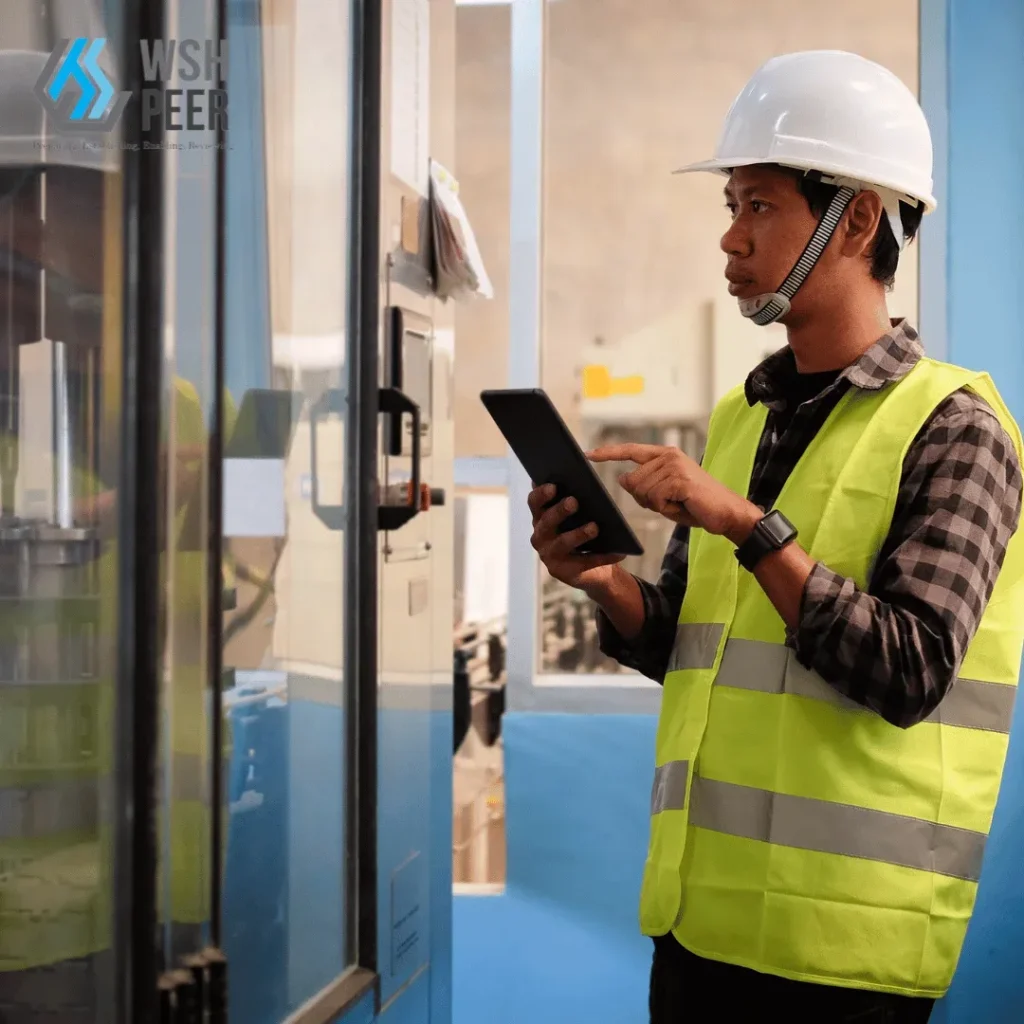


This training course helps participants understand workplace traffic safety management and its role in ensuring safety. The course covers the key elements of managing traffic in the workplace to prevent accidents, protect employees, and improve overall safety.
The course begins by explaining the importance of workplace traffic safety management. Effective traffic management helps to reduce risks, prevent accidents, and keep the workplace running smoothly. When traffic is well-managed, it creates a safer environment for workers and visitors.
Next, participants will learn about the components of a workplace traffic safety management plan. This plan includes setting clear traffic routes, speed limits, signage, and pedestrian areas to reduce the risk of accidents. The course also covers how to implement and structure this plan for maximum safety.
Participants will also learn about the roles and responsibilities of both management and workers. Management is responsible for creating policies and ensuring safety rules are followed. Workers must adhere to these rules to maintain a safe working environment. Everyone’s involvement is essential to traffic safety.
The course will cover essential traffic safety rules and regulations. Participants will learn the basic rules that apply to different workplace environments like construction sites, warehouses, or manufacturing facilities. Following these rules is critical for staying compliant and keeping workers safe.
Another key part of the course is identifying, assessing, and managing traffic-related risks. Participants will learn how to spot potential hazards like blind spots, poor signage, or unsafe road conditions. They will also learn how to assess these risks and take steps to fix them before accidents happen.
The course will also discuss the importance of safe work procedures. Training workers on safe driving and machine operation helps prevent accidents. By promoting a safety-first culture, workplaces can reduce accidents and improve productivity.
Participants will also learn about having an emergency response plan in case an accident happens. The course explains how to investigate incidents properly, learn from them, and make improvements to prevent future accidents.
The training also covers factors affecting traffic safety, like driver behavior, vehicle maintenance, and weather conditions. Understanding these factors helps develop strategies to reduce risks and keep workers safe.
Finally, the course will cover safety measures for tasks like working at heights, lifting operations, and using mobile elevated platforms. It will also address how to manage environmental factors such as heat stress, fatigue, and weather conditions. By implementing safety measures, workplaces can reduce the chances of accidents and create a safer environment for all.