

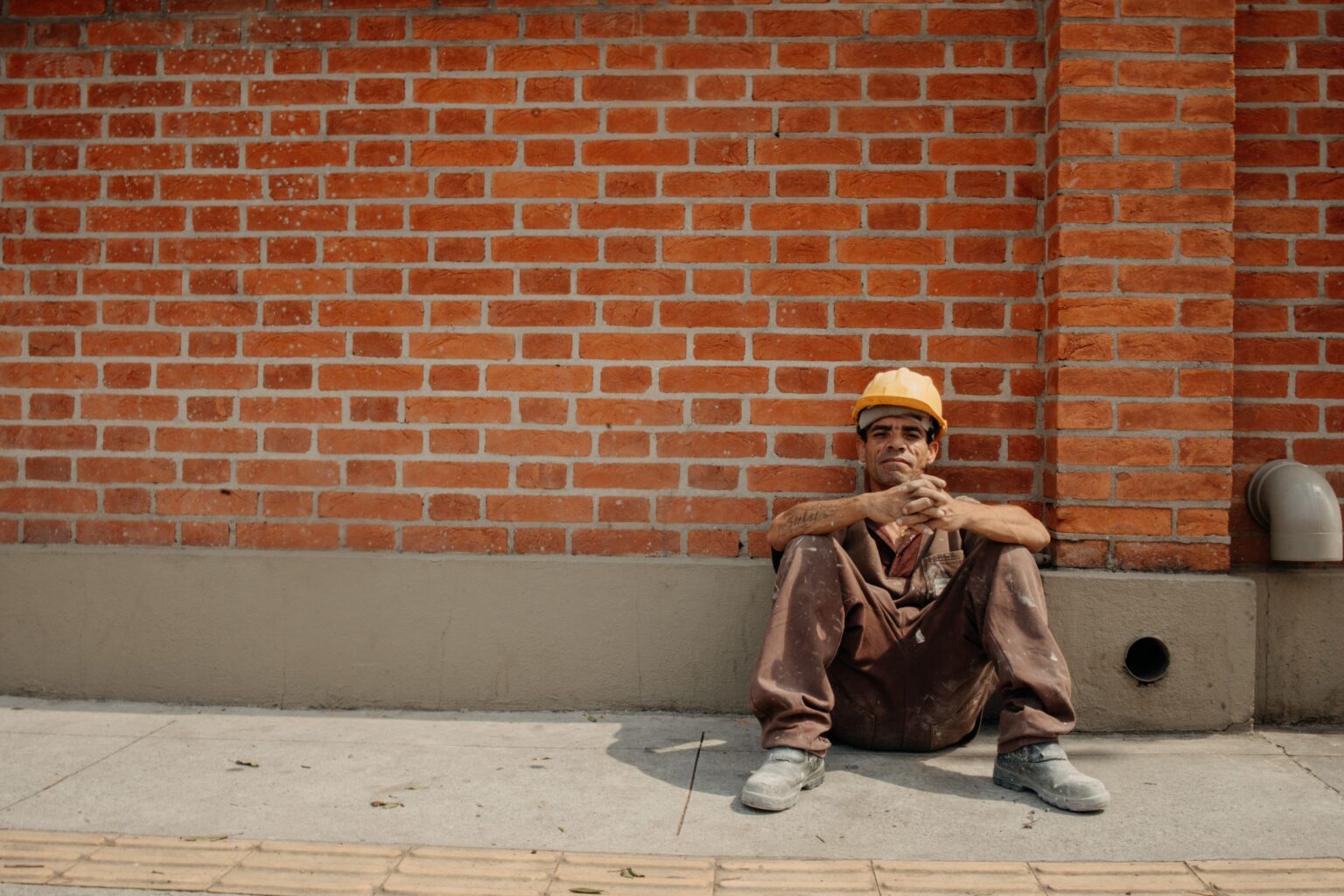
Heat stress pengelolaan di Singapura becomes stricter on 1 December 2026. The Ministry of Manpower (MOM) has enhanced its Heat Stress Management Framework and turned four previously recommended practices into mandatory requirements. For konstruksi sites, where much of the pekerjaan is outdoors and physically heavy, this means pelatihan, drinking water, emergency cooling, and suitable clothing can no longer be treated as optional extras.
This guide to heat stress management explains what is changing, what already applies, and practical ways construction teams can prepare before the enhanced measures take effect.
What Is Changing in Heat Stress Management From 1 December 2026
MOM announced the enhancements on 28 August 2026 and gave employers three months to put measures in place. According to the announcement, employers will be required to:
- Establish a heat stress training programme for workers exposed to heat.
- Provide a cool drinking water supply near work areas.
- Keep cold water, ice packs, or water spray on standby for emergency response.
- Provide suitable clothing that can mitigate or protect workers from excessive heat stress.
MOM also introduced one new recommended practice: providing shaded rest areas that are well ventilated and well insulated or cooled. This one is a recommendation, not a requirement.
These four measures were already recommended in the earlier framework and widely adopted. The change is that they are now mandatory, so every employer is expected to apply them consistently.
What Already Applies Under the Framework
The new requirements sit on top of existing ones. MOM’s announcement lists Wet Bulb Globe Temperature (WBGT) pemantauan, regular hydration, adequate rest breaks under shade, heat acclimatisation, and emergency response planning. MOM’s updated infographic adds the following details for outdoor work:
- WBGT monitoring every hour during work hours, especially in the hotter parts of the day.
- On-site WBGT meters are required for construction sites with a contract sum of S$5 million or more, as well as shipyards and the process industry. Other workplaces can refer to the myENV app.
- Acclimatisation for workers new to Singapore or returning from leave of more than a week, with daily heat exposure increased gradually over at least 7 days.
- Regular rehydration, with a recommended intake of 300 ml per hour or more depending on work intensity.
- An emergency response plan with reporting procedures.
Rest Breaks by WBGT Level
For heavy physical work, rest requirements rise with the WBGT reading. Based on MOM’s infographic:
| WBGT (°C) | Rest requirement for heavy physical work |
|---|---|
| Below 32 | Adequate rest under shade for recovery from heat |
| 32 to below 33 | Hourly rest breaks of at least 10 minutes |
| 33 and above | Hourly rest breaks of at least 15 minutes, with longer rest recommended as WBGT increases |
Treat this table as a summary. Always check MOM’s infographic for the complete band-by-band measures that apply to your work.
Practical Heat Stress Management Solutions for Construction Sites
1. Build a Heat Stress Training Programme
Good heat stress management starts with people knowing what to look for. Cover how heat affects the body, early warning signs such as heavy sweating, dizziness, and cramps, why hydration and rest matter, how to report symptoms, and how the buddy system works. Include it in the site induction and reinforce it in daily toolbox meetings, especially in hotter months. Keep attendance records for every worker.
2. Put Drinking Water Where Workers Actually Are
A water cooler in the site office does not count as a supply near work areas. Place cool drinking water at each work zone, keep it stocked, and check it daily. Remind supervisors to prompt hourly rehydration instead of waiting for workers to feel thirsty.
3. Prepare an Emergency Kit for Each Zone
Keep cold water, ice packs, or water spray ready in every active work area, and make sure first aiders know where it is and how to use it. Suspected heat stroke is a medical emergency, so call 995 and start cooling the worker while waiting for help.
4. Choose Suitable Clothing With the Crew
MOM requires clothing that can mitigate or protect workers from excessive heat stress. Breathable, lightweight materials are a starting point. Trial options with the workers who will wear them, because clothing that is uncomfortable tends not to be worn.
5. Provide Shaded Rest Areas
Although only recommended, shaded rest areas make the mandatory rest breaks meaningful. A rest area that is hot and unventilated defeats the purpose. Place it near work areas, and consider fans or air coolers to cool it.
6. Monitor WBGT and Act on It
Measure WBGT every hour and link the reading to action: who adjusts rest breaks, who reschedules heavy work to cooler parts of the day where feasible, and who informs the crew. A reading that nobody acts on has no value.
7. Protect Vulnerable Workers
MOM’s infographic identifies vulnerable workers, including those above 65, pregnant workers, those who are overweight or obese, workers newly assigned to outdoor work or unacclimatised, those returning from long leave, those who are unwell or recovering, and workers with chronic conditions, medication use, or a history of heat illness. Identify them early, monitor them closely, and plan redeployment where required.
Records That Prove Your Heat Stress Management
When an inspector asks how you handle heat stress management on site, you need evidence, not recollection. Keep:
- Hourly WBGT readings with time and location
- Rest break records for heavy work
- Heat stress training attendance
- Daily checks of drinking water and emergency cooling supplies
- Acclimatisation records for new or returning workers
- Any heat-related incident or near miss reports
Paper logs scattered across site offices are hard to compile. A digital inspeksi system lets site teams record readings and checks on a phone and search them later. PEER’s configurable checklists and training records can be used for this kind of daily evidence.
Heat Stress Management Readiness Checklist Before 1 December
- Heat stress training programme in place and attendance recorded
- Cool drinking water at every work zone
- Cold water, ice packs, or water spray on standby in each area
- Suitable clothing identified and issued
- WBGT monitoring set up, with meters where required
- Rest break rules linked to WBGT readings
- Vulnerable workers identified
- Emergency response plan and reporting procedure briefed to the crew
Heat Stress Management FAQs
When do the new heat stress management requirements take effect?
The enhanced measures take effect on 1 December 2026.
What are the four new mandatory measures?
A heat stress training programme, cool drinking water near work areas, cold water, ice packs or water spray on standby, and suitable clothing.
Are shaded rest areas mandatory?
No. MOM lists them as a new recommended practice.
Do I need a WBGT meter?
On-site WBGT meters are required for construction sites with a contract sum of S$5 million or more, shipyards, and the process industry. Other workplaces can refer to the myENV app.
Next Steps
For heat stress management that stands up to inspection, read MOM’s announcement on the enhanced Heat Stress Management Framework dan updated heat stress measures infographic to confirm the requirements that apply to your site. For related guidance, see our articles on what a toolbox meeting is dan HSE training records and worker competency, or compare options in our buyer’s checklist for HSE inspection software.
