

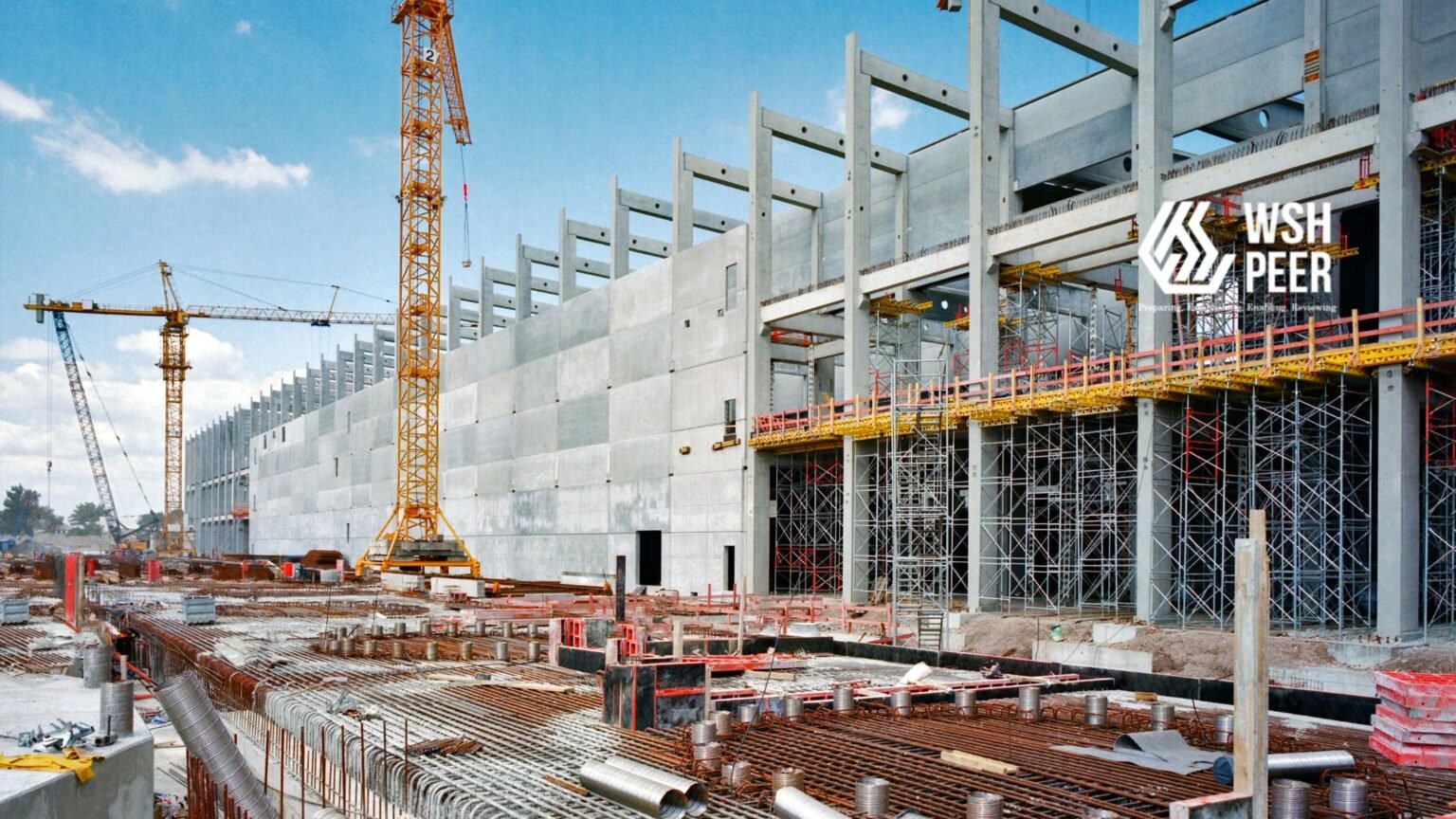
Meningkatkan Keselamatan Tempat Kerja di Lokasi Multi-Proyek dengan PEER
Dalam lanskap industri, Dalam proyek, keberhasilan suatu proyek tidak hanya diukur berdasarkan kecepatan dan hasil akhir, tetapi juga secara signifikan oleh tingkat produktivitas di tempat kerja. keamanan. Ketika ada lebih dari satu kontraktor dan vendor eksternal berkumpul di satu lokasi proyek yang biasa disebut sebagai multi-project site, tantangan dalam menjaga standar keselamatan semakin meningkat secara drastis. Kecelakaan sering terjadi bukan karena karyawan internal, tetapi dari kontraktor atau vendor sementara yang bekerja di wilayah perusahaan. Hal ini menimbulkan pertanyaan kritis tentang cara mengelola keselamatan secara efektif dalam lingkungan yang kompleks seperti ini.

Memahami Risiko: Mengapa Kontraktor Rentan
Salah satu alasan utama mengapa para kontraktor sering menjadi titik fokus dalam insiden keselamatan adalah perbedaan standar keselamatan. Setiap kontraktor biasanya menjalankan operasionalnya sesuai dengan budaya dan protokol keselamatan masing-masing. Beberapa dari mereka mungkin sangat mematuhi pedoman perlengkapan pelindung diri (PPE), sementara yang lain mungkin tidak terlalu mempedulikan keselamatan kerja. izin Prosedur. Ketika praktik-praktik yang bervariasi ini berkumpul di satu lokasi, potensi terjadinya kecelakaan meningkat, kecuali jika ada Standar Operasional Prosedur yang terharmonisasi (SOP) yang ditetapkan oleh pemilik proyek.
Selain itu, vendor eksternal seringkali kurang familiar dengan tata letak lokasi, termasuk titik-titik bahaya, rute evakuasi, dan lokasi alat pemadam kebakaran. Ketidakakraban ini membuat mereka lebih rentan terhadap risiko seperti tersandung peralatan, jatuh dari ketinggian, atau terpapar bahan berbahaya. Tekanan tenggat waktu yang ketat dapat memperburuk risiko ini, sehingga beberapa kontraktor mengabaikan protokol keselamatan penting, seperti mendapatkan izin kerja atau tidak melapor sebelum melakukan pekerjaan panas.
Kecelakaan Umum di Lokasi Multi-Proyek
Kecelakaan di lokasi multi-proyek dapat berkisar dari ringan hingga berat, tetapi dampaknya dapat memengaruhi jadwal proyek dan reputasi perusahaan. Insiden yang umum terjadi meliputi:
- Sengatan listrik akibat isolasi energi yang tidak tepat (Lock Out Tag Out).
- Jatuh saat bekerja di ketinggian tanpa menggunakan sabuk pengaman seluruh tubuh.
- Cedera akibat peralatan berat akibat kurangnya komunikasi dengan operator di area lain.
- Kebakaran kecil yang diakibatkan oleh kegiatan pengelasan yang dilakukan tanpa izin kerja panas.
Insiden ini, meski tampak sederhana, dapat mengakibatkan gangguan signifikan dan merusak catatan keselamatan serta reputasi perusahaan secara keseluruhan.
Menerapkan Langkah-Langkah Keselamatan yang Efektif: Peran SOP
Untuk mengurangi dampak risiko Dari jumlah kecelakaan yang terjadi di kalangan kontraktor di lokasi proyek yang beragam, perusahaan harus menerapkan pendekatan yang lebih sistematis dan ketat, khususnya melalui implementasi SOP keselamatan kontraktor. Berikut adalah beberapa komponen penting:
- Induksi Keselamatan Kontraktor: Sebelum mulai bekerja, semua personel eksternal wajib menjalani induksi keselamatan. Ini mencakup pengenalan area kerja, potensi bahaya, prosedur tanggap darurat, penggunaan APD wajib, dan sanksi atas pelanggaran keselamatan.
- Sistem Izin Bekerja: Pekerjaan apa pun tidak boleh dimulai tanpa izin resmi dari pengawas keselamatan. Semua aktivitas berisiko tinggi—seperti pekerjaan panas, pekerjaan di ketinggian, operasi ruang terbatas, atau pekerjaan kelistrikan—harus mengikuti sistem izin kerja yang terdokumentasi dan disetujui.
- Pertemuan Keselamatan Pra-Kerja & Diskusi Kotak Peralatan: Setiap pagi, tim kontraktor harus mengadakan rapat toolbox untuk membahas bahaya pekerjaan dan langkah-langkah pencegahannya. Praktik ini menumbuhkan kesadaran dan meningkatkan komunikasi serta koordinasi antar tim di lokasi.
- Audit dan Inspeksi Kontraktor: Inspeksi rutin oleh pihak internal Kesehatan dan Keselamatan Kerja (K3) tim atau auditor pihak ketiga sangat penting untuk memastikan kepatuhan terhadap SOP yang ditetapkan. Audit Hasil tersebut harus dilengkapi dengan Rencana Aksi Perbaikan untuk memastikan perbaikan yang diperlukan dilaksanakan.
- Sistem Penghargaan dan Hukuman: Menerapkan sistem penghargaan bagi kontraktor yang menunjukkan kinerja keselamatan yang sangat baik dapat menjadi motivator yang kuat. Di sisi lain, sanksi yang tegas atas pelanggaran keselamatan—mulai dari peringatan hingga denda atau daftar hitam vendor—harus ditegakkan.
Mengatasi Tantangan: Realitas Implementasi
Meskipun memiliki SOP yang terperinci, implementasi di dunia nyata seringkali menghadapi kendala. Tantangan yang umum dihadapi antara lain terbatasnya pengawasan selama shift malam atau akhir pekan, sifat pekerja kontraktor yang berpindah-pindah sehingga konsistensi sulit dipertahankan, dan konflik ego antar-vendor yang menghambat kolaborasi. Selain itu, tekanan manajemen proyek untuk memprioritaskan target daripada keselamatan dapat membahayakan protokol keselamatan.
Di sinilah komitmen manajemen menjadi krusial. Keselamatan harus tertanam dalam budaya organisasi, bukan sekadar formalitas di atas kertas. Penting untuk menyadari bahwa vendor eksternal bukan sekadar pekerja pelengkap, melainkan bagian integral dari sistem keselamatan secara keseluruhan.
Membangun Budaya Keselamatan yang Inklusif
Melihat ke depan, pendekatan terhadap keselamatan kontraktor harus berkembang agar lebih inklusif dan kolaboratif. Perusahaan harus melihat vendor eksternal sebagai pemangku kepentingan yang setara dalam kerangka keselamatan. Hal ini berarti semua pekerja di lokasi proyek, baik internal maupun eksternal, harus mematuhi standar keselamatan yang sama. peraturan tanpa pengecualian atau toleransi terhadap pelanggaran.
Dengan membangun sistem yang konsisten, mendorong komunikasi terbuka, dan menumbuhkan komitmen bersama terhadap keselamatan, lokasi multi-proyek dapat bertransformasi menjadi tempat kerja yang produktif tanpa mengorbankan nyawa manusia. Kecelakaan kerja bukan sekadar angka dalam laporan bulanan; kecelakaan kerja mewakili kehidupan yang dapat berubah dalam sekejap. Memprioritaskan keselamatan kontraktor sangatlah penting, yang membutuhkan SOP yang ketat, pelatihan berkelanjutan, dan pengawasan berkelanjutan—bukan sekadar formalitas, tetapi sebagai investasi vital untuk memastikan setiap orang pulang dengan selamat setiap hari.
